

White tattoo ink is famous for being difficult to work with, but the ink itself is only half the story. How you care for the tattoo during the healing phase determines whether that white ink stays bright or fades into a faint scar-like shadow. The most important rule is simple: treat the healing tattoo like an open wound, because that is exactly what it is. Proper aftercare protects the ink while your skin rebuilds, and for white ink, the margin for error is much smaller than it is for black ink.
Why Does White Tattoo Ink Fade Faster Than Black Ink?
White ink sits differently in the skin than darker pigments. The particles are larger and less dense, which means the body’s immune system can break them down and clear them away more quickly. Black ink particles are small and tightly packed, making them harder for your body to remove. White ink is also less opaque, so it reflects light rather than absorbing it. When the skin heals and forms a new top layer, that layer naturally scatters light and makes white ink appear less bright.
This is not a flaw in the tattooist’s work. It is a physical property of the pigment. Even a perfectly applied white tattoo will lose some of its initial brightness during the first month of healing. The goal of aftercare is not to prevent all fading — that is impossible — but to minimize the extra fading caused by poor healing, sun exposure, and skin trauma.
How To Make White Tattoo Ink Stay Aftercare Tips
The healing process for white ink follows the same basic timeline as any other tattoo. The first three days are the most vulnerable. The skin is raw, weeping, and highly susceptible to infection. Days four through fourteen are the peeling phase, when the top layer of skin flakes off and the tattoo looks dull and milky. The final phase, which lasts up to two months, is when the skin fully rebuilds and the true color settles in.
During the first three days, keep the tattoo covered with the bandage your artist applied. Most artists use a medical-grade adhesive film that stays on for 24 to 72 hours. When you remove it, wash the tattoo gently with lukewarm water and fragrance-free soap. Use your clean hand, never a washcloth or sponge. Pat it dry with a clean paper towel and let it air dry completely before applying any ointment.
Apply a thin layer of fragrance-free, alcohol-free moisturizer or a specialized tattoo aftercare balm. A thin layer means the skin looks slightly glossy but you cannot see thick white smears. Too much moisture can suffocate the skin and delay healing. Too little moisture allows the scab to crack, which pulls ink out of the skin.
Do not pick, scratch, or rub the tattoo. This is the single most common cause of excessive fading. When you pick a scab off a white tattoo, you are removing the top layer of pigment along with it. Black ink can sometimes survive this because it sits deeper and is denser. White ink often does not.
What To Avoid During White Tattoo Healing
Sun exposure is the greatest enemy of white ink. Ultraviolet light breaks down pigment particles in the skin, and white ink is especially vulnerable because it reflects light rather than absorbing it. Keep the tattoo completely out of direct sunlight for at least the first month. After that, apply a broad-spectrum sunscreen with an SPF of 30 or higher every time the tattoo is exposed to the sun.
Soaking is another major risk. Do not submerge the tattoo in a bathtub, swimming pool, hot tub, or lake for at least three weeks. Prolonged water exposure softens the scabs and can wash pigment out before it has settled. Showers are fine, but keep them short and do not let the water stream directly onto the tattoo for extended periods.
Heavy sweating is also a concern during the first two weeks. Sweat contains salt and bacteria that can irritate the healing skin and increase the risk of infection. Light exercise is generally acceptable after the first few days if you wash the tattoo immediately afterward, but intense workouts that cause heavy sweating in the tattoo area should wait until the peeling phase is complete.
Tight clothing can rub the tattoo and cause friction damage. Wear loose, breathable fabrics over the tattoo until it is fully healed. This matters more for white ink because the pigment sits closer to the surface and is more easily disturbed by mechanical friction.




Moisturizing the Right Way
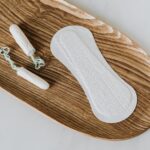
Moisturizer is not optional for white tattoos. Dry skin forms thicker scabs, and thicker scabs are more likely to crack and pull pigment out as they heal. The goal is to keep the skin supple enough that the scab peels naturally without force.
Use a plain, unscented moisturizer. Products with fragrances, dyes, or active ingredients like retinoids or alpha-hydroxy acids can irritate healing skin. White petroleum jelly is acceptable for the first few days, but it is very occlusive and can trap bacteria if applied too thickly. Most tattoo artists recommend switching to a lighter lotion or balm after the initial weeping phase ends.
Apply moisturizer two to three times per day for the first two weeks. After the skin has fully peeled, continue moisturizing daily for at least a month. Well-hydrated skin reflects light more evenly, which makes white ink appear brighter.
What To Expect During the Healing Process
White tattoos go through an ugly phase. Around day five to day ten, the tattoo will look hazy, milky, or almost invisible. This is normal. The white pigment is still there, but it is covered by a layer of new skin cells that have not yet become transparent. This phase can last two to four weeks.
Some white tattoos also develop a slightly yellow or gray tint during healing. This can happen if the skin produces excess collagen during repair, which scatters light differently than normal skin. It can also happen if the tattoo was placed too deep in the skin. A well-placed white tattoo should look bright again within a month, but it will rarely look as bright as it did on the first day.
If the tattoo looks significantly lighter after six weeks, it may need a touch-up. Touch-ups are common for white ink. Many artists offer one free touch-up within a few months of the original appointment. Wait until the tattoo is fully healed — at least six weeks — before considering a touch-up. Adding more ink to skin that is still healing can cause scarring and make the problem worse.
How Sunscreen Protects White Ink Long Term
After the tattoo is fully healed, sunscreen becomes your primary defense against fading. White ink is more vulnerable to ultraviolet degradation than darker pigments because it cannot absorb UV light. The pigment particles break down over time when exposed to repeated sun exposure.
Use a mineral or chemical sunscreen with an SPF of 30 or higher. Reapply every two hours if you are outdoors. This advice applies to all tattoos, but it is especially important for white ink because the contrast between the white pigment and your natural skin tone is what makes the tattoo visible. As the white fades, the tattoo loses its definition and can blend into the surrounding skin.
Some people find that white ink tattoos become less visible in the summer when their natural skin tans. This is not the ink fading — it is the surrounding skin darkening, which reduces the contrast. The tattoo will become more visible again when the tan fades, provided the ink itself was protected from UV damage.
When To See a Professional
Some symptoms during healing require medical attention. If the tattoo becomes increasingly red, hot to the touch, swollen, or starts oozing yellow or green fluid, you may have an infection. See a doctor promptly. Do not try to treat an infected tattoo with over-the-counter antibiotic ointments without medical guidance.
If the tattoo develops raised, thick, or itchy scarring that persists beyond the normal healing period, you may be developing a keloid or hypertrophic scar. This can permanently alter the appearance of white ink. See a dermatologist if scarring develops.
If the tattoo simply fades more than you expected after three months of proper care, consult your tattoo artist. They can assess whether the ink was placed at the correct depth and whether a touch-up is appropriate. Some skin types simply do not hold white ink well, and no amount of aftercare can change that.
Frequently Asked Questions
How long does it take for white tattoo ink to settle?
White tattoo ink typically settles within four to six weeks after the tattoo is applied. The initial hazy appearance usually clears by the end of the first month as the skin fully rebuilds.
Can I put sunscreen on a healing white tattoo?
Do not apply sunscreen to a healing tattoo during the first two weeks. After the skin has fully peeled and closed, sunscreen with SPF 30 or higher is essential for protecting white ink from fading.
Why does my white tattoo look yellow after healing?
A yellowish tint can occur when the skin produces excess collagen during healing or when the ink was placed too deep. It can also result from sun exposure before the tattoo fully healed.
Will a touch-up make my white tattoo brighter?
A touch-up can restore brightness if the original ink faded during healing, but only after the skin has fully healed for at least six weeks. Touch-ups performed too early can cause scarring and worsen the appearance.
