
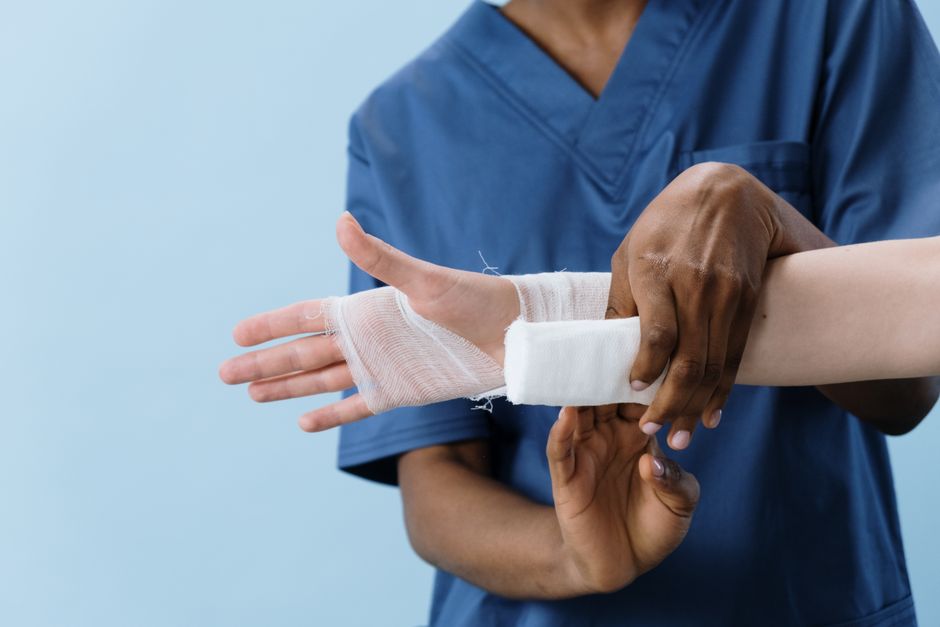
You can make Vaseline gauze dressings at home by coating medical-grade gauze with sterile petroleum jelly and storing it in a sealed container. This DIY approach creates a non-stick wound dressing that helps keep burns, scrapes, and surgical sites moist while preventing the gauze from sticking to the healing tissue. The process is simple but requires strict attention to cleanliness to avoid introducing bacteria into a wound.
What Exactly Are Vaseline Gauze Dressings?
Vaseline gauze dressings are pieces of medical gauze that have been saturated with petroleum jelly. They are also called petrolatum gauze or non-adherent dressings. The petroleum jelly coats the fibers of the gauze so they do not stick to a wound as it heals.
These dressings are commonly used for burns, skin grafts, and surgical wounds. They keep the wound bed moist which supports faster healing. The jelly also acts as a barrier against bacteria and debris. Hospitals use brand-name versions like Xeroform or Adaptic, but the principle is the same as a homemade version.
Research published in the Journal of Wound Care has found that moist wound healing reduces scab formation and speeds up cell regeneration. Vaseline gauze creates exactly this environment.
How To Make Vaseline Gauze Dressings At Home
The process has three steps: sterilize your materials, coat the gauze, and store it properly. Each step matters for safety.
Step 1: Gather your supplies. You need medical-grade non-woven gauze pads or rolls. Do not use cotton balls or fabric from home. You also need white petroleum jelly from a new tube — not a jar that has been opened before. Sterile gloves, clean scissors, and a glass or metal container with a tight lid are also required.
Step 2: Sterilize everything. Wash your hands thoroughly. Put on sterile gloves. Boil the container and scissors in water for 10 minutes. Let them air dry on a clean paper towel. Do not touch the inside of the container with your bare hands.
Step 3: Apply the petroleum jelly. Squeeze a generous amount of petroleum jelly onto a sterile surface like the inside of the container lid. Using sterile gloves, spread the jelly evenly onto both sides of the gauze. The gauze should be fully coated but not dripping. You want a thin, even layer.
Step 4: Store the dressings. Place the coated gauze flat into the sterile container. Do not stack them on top of each other unless you separate each layer with sterile wax paper or parchment paper. Seal the container tightly. Label it with the date. Store it in a cool, dry place.
These dressings stay safe to use for about one week if stored properly. Discard any that show discoloration, odor, or mold.
What Does Research Say About Homemade Vaseline Gauze?
There are no published clinical trials comparing homemade Vaseline gauze to commercial products. The evidence comes from wound care principles that are well established.
The Cochrane Review, a respected international research organization, has found that moist wound dressings improve healing rates for burns and chronic wounds compared to leaving wounds dry. Petroleum jelly itself has been studied extensively. A 2016 study in JAMA Dermatology found that petroleum jelly was as effective as expensive ointments for preventing infection in surgical wounds.
The risk with homemade versions is contamination. A study in the American Journal of Infection Control found that opened jars of petroleum jelly can harbor bacteria within days. This is why using a fresh tube and a sterile container is critical.
Commercial products are sterilized with gamma radiation. You cannot replicate that at home. Your homemade version will be clean but not sterile. For deep wounds, surgical sites, or immunocompromised patients, commercial sterile dressings are the safer choice.





How to Use Vaseline Gauze Dressings Safely
Clean the wound first with saline or clean water. Pat the surrounding skin dry. Do not dry the wound itself — a moist surface is what you want.
Place the Vaseline gauze directly onto the wound. Cover it with a dry sterile gauze pad on top. Secure everything with medical tape or a bandage. Change the dressing once every 24 to 48 hours or as directed by your doctor.
Signs you need to stop using it include increased redness, swelling, warmth, or pus. These are signs of infection. See a healthcare provider if they appear.
Do not use Vaseline gauze on wounds that are actively bleeding heavily or on third-degree burns where the skin is charred or white. Those need emergency medical care.
Comparison: Homemade vs. Store-Bought Vaseline Gauze
| Feature | Homemade | Store-Bought (e.g., Adaptic, Xeroform) |
|---|---|---|
| Cost per dressing | $0.10–$0.30 | $1.50–$5.00 |
| Sterility level | Clean, not sterile | Sterile (gamma irradiated) |
| Convenience | Requires prep time | Ready to use |
| Customizable size | Yes, cut to fit | Fixed sizes |
| Risk of contamination | Moderate if not careful | Very low |
| Shelf life | About 1 week | 2–3 years sealed |
Homemade dressings work well for minor cuts, scrapes, and small burns when cost is a concern. For anything serious, the extra cost of commercial dressings is worth the guaranteed sterility.
Common Mistakes When Making Vaseline Gauze at Home
- Using the wrong gauze. Cotton balls or woven gauze shed fibers into wounds. Use non-woven medical gauze only.
- Reusing opened petroleum jelly jars. Bacteria grow quickly in open jars. Always use a fresh tube for wound care.
- Stacking dressings without separation. Coated gauze sticks together. Place wax paper between each layer.
- Storing in plastic bags. Plastic bags trap moisture and breed bacteria. Use a rigid container with a seal.
- Keeping them too long. After seven days, throw them out. Bacteria can grow even in sealed containers.
One more mistake people make is assuming Vaseline gauze replaces the need for a dry cover layer. It does not. The petroleum jelly keeps the wound moist, but a dry outer dressing absorbs excess fluid and protects against dirt.
When You Should Not Make Your Own
Homemade Vaseline gauze is not appropriate for everyone or every wound. Do not use it on deep wounds that require packing, on infected wounds, or on wounds with exposed bone or tendon. These need medical evaluation and sterile commercial dressings.
People with diabetes, poor circulation, or weakened immune systems should avoid homemade dressings. Their wounds are at higher risk for infection. A small contamination that heals fine in a healthy person can lead to serious complications in someone with these conditions.
If you are unsure whether your wound needs medical attention, err on the side of caution. Signs that warrant a doctor visit include wounds that do not stop bleeding after 15 minutes of pressure, wounds from animal bites, or wounds that show no signs of healing after five days.
The CDC reports that wound infections occur in about 5 percent of surgical patients and a higher percentage of those who use non-sterile home care methods. Sterility matters.
Frequently Asked Questions
Can I use regular store-bought Vaseline for gauze dressings?
Yes, but only from a new, sealed tube. Do not use petroleum jelly from a previously opened jar because it may contain bacteria.
How long do homemade Vaseline gauze dressings last?
They stay safe to use for about one week when stored in a sealed, sterile container in a cool, dry place.
Can I microwave gauze to sterilize it?
No. Microwaving does not reliably sterilize gauze and can cause the material to burn or catch fire. Boiling is the only home method that works.
Is Vaseline gauze the same as antibiotic ointment gauze?
No. Vaseline gauze contains only petroleum jelly for moisture and non-stick properties. Antibiotic gauze contains medication. Do not add antibiotic ointment to Vaseline gauze unless a doctor instructs you to.
