
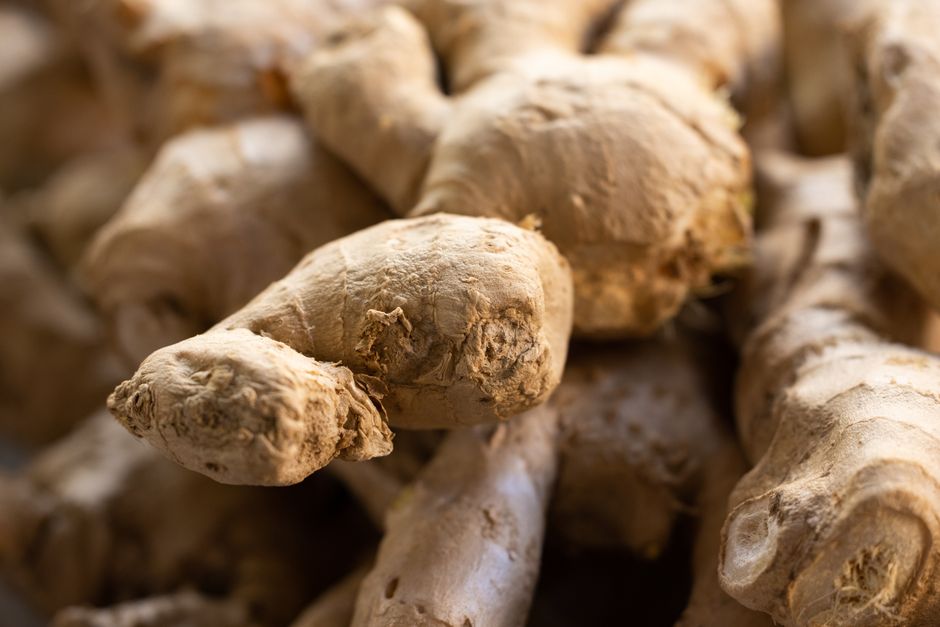
Ginger comes from the roots of the Zingiber officinale plant, which originated in Southeast Asia. It has been cultivated and used for thousands of years, spreading from this region to become one of the most widely used spices in the world. The part people use is the underground stem, called a rhizome, which is often mistaken for a root but functions similarly.
Where Does Ginger Come From Southeast Asia Roots?
Ginger’s history begins in Southeast Asia, with many botanists pointing to the tropical regions of this area as its true home. From there, it traveled across the globe through ancient trade routes. It reached India and China early on, then moved to the Middle East and Africa, and eventually arrived in the Caribbean and South America with European explorers.
The plant itself is a tropical perennial. It thrives in warm, humid climates with rich, well-drained soil. Today, India and China are the largest producers of ginger, but it grows commercially in many tropical and subtropical countries, including Nigeria, Thailand, and Indonesia. The rhizome remains the only part of the plant that is harvested for food and medicinal use.
What Does the Ginger Plant Look Like?
Ginger is not a tree or a bush. It is a herbaceous plant that grows from a rhizome underground. The above-ground part of the plant consists of tall, slender stems that can reach about three to four feet in height. These stems bear narrow, lance-shaped leaves that are bright green.
The flowers of the ginger plant are less commonly seen because the plant is usually harvested before it blooms. When it does flower, the blooms are cone-shaped and can be yellow, green, or purple, depending on the variety. The rhizome itself is knobby and pale brown on the outside, with a yellow or off-white interior that is fibrous and aromatic.
How Is Ginger Used Around the World?
Ginger appears in cuisines across the globe in many forms. Fresh ginger is grated, sliced, or minced for stir-fries, soups, and marinades. Dried ginger is ground into a powder used in baking and spice blends. Candied ginger is a sweet treat, and pickled ginger is served with sushi to cleanse the palate.
In addition to cooking, ginger has a long history of use in traditional medicine. It is commonly consumed as a tea, often with honey and lemon, for digestive discomfort. It is also used in some cultures for nausea relief, particularly during pregnancy or motion sickness. These uses are deeply rooted in tradition, and modern research has examined some of them closely.




What Does Science Say About Ginger and Health?
Research has focused on a few specific health effects of ginger. The evidence for ginger’s ability to reduce nausea is the strongest. Studies have found that ginger can help with nausea caused by pregnancy, surgery, and chemotherapy, though results vary by condition and dose.
Ginger also contains compounds called gingerols and shogaols. These are thought to have anti-inflammatory and antioxidant properties. Some studies suggest ginger may help reduce muscle pain after exercise or ease symptoms of osteoarthritis. However, the evidence is not as strong as it is for nausea, and more research is needed before making firm claims.
It is important to note that ginger is a food, not a medicine. It should not replace prescribed treatments for any condition. The amounts used in cooking are generally safe, but concentrated extracts or supplements carry different considerations, especially for people taking blood-thinning medications.
What Is the Difference Between Fresh and Dried Ginger?
Fresh and dried ginger are not interchangeable in the kitchen or in their chemical makeup. Fresh ginger contains higher levels of gingerols. When ginger is dried, these gingerols convert into shogaols, which have different properties. This is why dried ginger tastes spicier and more pungent than fresh ginger.
In cooking, this difference matters. Fresh ginger adds a bright, zesty note to savory dishes. Dried ginger is more suitable for baked goods like gingerbread or spice blends like curry powder. Substituting one for the other changes the flavor profile of a dish significantly.
For health purposes, the distinction also matters. Research on ginger for nausea often uses fresh ginger or ginger extracts. Research on inflammation and pain sometimes uses dried ginger or standardized extracts. The form matters, and results from one form do not always apply to another.
Are There Different Types of Ginger?
There are several varieties of ginger, though most people encounter only one or two. Common ginger, the kind found in most grocery stores, is the most widely cultivated type. Baby ginger is a milder, younger version of the same plant that does not need to be peeled and has a less fibrous texture.
Other varieties exist in specific regions. Galangal and turmeric are related plants but are not the same as ginger. They belong to the same botanical family but have distinct flavors, colors, and uses. Galangal is sharper and more medicinal in taste, while turmeric has a warm, earthy flavor and a bright orange color.
When buying ginger, fresh rhizomes should feel firm and heavy for their size. The skin should be smooth and taut, not wrinkled or shriveled. Wrinkled skin is a sign that the ginger is old and has lost moisture, making it less flavorful and more fibrous.
How Should You Store Ginger?
Fresh ginger can last for several weeks when stored properly. Unpeeled ginger should be kept in the refrigerator in a plastic bag or an airtight container. It can also be frozen for longer storage. Freezing changes the texture slightly, making it softer, but it preserves the flavor well.
Dried ginger powder should be stored in a cool, dark, dry place. It loses potency over time, so it is best used within six months to a year of opening. Ground ginger that has lost its aroma will also have lost much of its flavor and should be replaced.
Is Ginger Safe for Everyone?
Ginger is safe for most people when used in food amounts. It is generally recognized as safe by food regulatory agencies. However, high doses from supplements may cause mild side effects like heartburn, stomach upset, or diarrhea in some people.
People taking blood-thinning medications should talk to a doctor before using ginger supplements in large amounts. Ginger can affect blood clotting, and high doses may interact with these drugs. Pregnant women can consume ginger in food amounts safely, but should discuss supplement use with their healthcare provider.
People with gallstones should also be cautious. Ginger may increase bile production, which could be a concern for those with a history of gallstones. As with any supplement, it is best to discuss it with a healthcare provider before starting.
Frequently Asked Questions
Is ginger a root or a stem?
Ginger is a rhizome, which is an underground stem. It grows horizontally beneath the soil and sends up shoots above ground.
Can you grow ginger at home?
Yes, you can grow ginger at home from a fresh rhizome. Plant it in warm, humid conditions with well-drained soil and it will produce new shoots over several months.
Does ginger help with nausea?
Yes, research has found ginger can help reduce nausea from pregnancy, motion sickness, and chemotherapy. It is not a replacement for prescribed anti-nausea medications.
How much ginger can you eat per day?
No clinical guidelines exist for a daily ginger intake for general health. Food amounts are safe for most people, but supplement doses should be discussed with a healthcare provider.
