
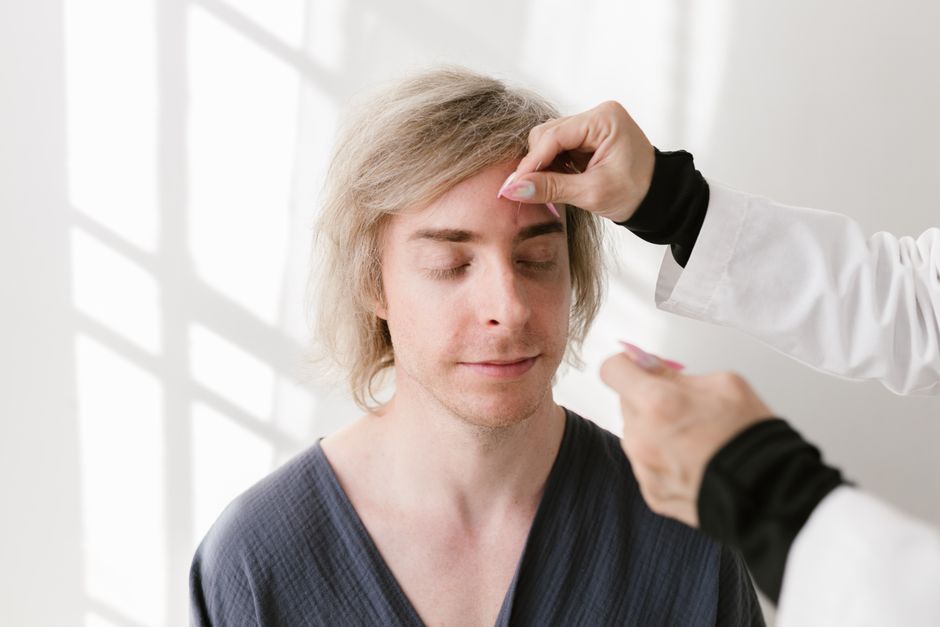
Tweezing doesn’t have to be a wincing experience. Most pain comes from pulling hair against the grain, using dull tools, or grabbing too much skin. The most effective way to reduce tweezing pain every time is to pull the hair out in the direction of growth while keeping the skin taut, and to use a high-quality, sharp-tipped tweezer. Preparing the skin beforehand and using the correct technique will make the process noticeably faster and far less uncomfortable.
Why Does Tweezing Hurt in the First Place?
Pain during tweezing is a mechanical response. When you pull a hair, you are not just pulling the strand. You are also stretching the hair follicle and the nerve endings wrapped around it. The root of the hair sits inside the follicle, which is surrounded by sensitive nerve fibers. When the hair is yanked sharply, those nerves send a quick, sharp pain signal to your brain.
Pulling the hair against its natural growth direction makes this worse. It causes the hair to bend and break inside the follicle, which increases tugging and inflammation. Pulling the skin while you tweeze also activates additional pain receptors. The result is more discomfort than necessary.
Understanding this mechanism matters because it points to a simple solution. If you reduce the resistance on the hair and stabilize the skin, you reduce the nerve stimulation. Less nerve stimulation means less pain.
How To Make Tweezing Less Painful Every Time
The single most effective change you can make is to switch to a sharp, slanted tweezer. A dull tweezer cannot grip the hair cleanly. Instead, it crushes the hair shaft and slips, requiring multiple attempts. Each failed attempt pulls on the follicle with no result, which increases pain and irritation. A sharp tweezer grips the hair at the base on the first try, so the hair comes out in one smooth motion.
Next, always pull in the direction of hair growth. This is the most common mistake people make. When you pull against the grain, the hair bends and tugs at the follicle from an awkward angle. Pulling with the grain allows the hair to slide out of the follicle with minimal resistance. The difference is immediate and noticeable.
Keep the skin taut with your free hand. Stretch the skin slightly with two fingers on either side of the hair you are removing. This flattens the surface and makes the hair stand more upright. It also reduces the amount of skin that moves when you pull, which lowers the sensation of pain.
Work in a well-lit area. This is not just about visibility. When you can see the hair clearly, you are more likely to grab it at the root rather than the middle of the shaft. Grabbing the middle of the shaft causes the hair to break, which means the root stays under the skin and you have to repeat the process. That repeat is where most of the pain comes from.
Preparation Steps That Reduce Pain Before You Start
Warm water softens the hair and opens the follicle. Take a hot shower or hold a warm, damp cloth over the area for a few minutes before you begin. This makes the hair easier to pull and reduces the force needed. Do not do this immediately after a shower, though. Wait a few minutes for the skin to dry completely, because wet skin is more prone to slipping and irritation.
Exfoliating the area a day before tweezing helps. Dead skin cells can trap hairs and make them harder to grip. A gentle scrub removes that layer so the hair is more accessible. Do not exfoliate right before tweezing, as this can make the skin tender and more sensitive to pain.
Numbing creams are a legitimate option for particularly sensitive areas. Products containing lidocaine or benzocaine can be applied about 20 to 30 minutes before tweezing. These are available over the counter. Follow the instructions on the package exactly. Do not use them on broken or irritated skin, and do not apply more than directed. For the eyebrows, be careful to avoid getting the cream in your eyes.
Some people find that applying a cold compress for a minute or two before tweezing helps. Cold temporarily numbs the surface nerves. However, cold also makes the skin slightly firmer, which can make hairs harder to grip. If you use cold, keep it brief and dry the area thoroughly before starting.





Technique: The Difference Between Tugging and Gliding
Do not yank. The fastest way to increase pain is to jerk the tweezer quickly. Instead, use a steady, even pull. Grip the hair close to the skin, then pull with a controlled motion in the direction of growth. A steady pull feels less sharp because the nerve endings are not being stretched suddenly.
Hold the tweezer at a slight angle. Holding it perfectly perpendicular to the skin often results in the hair slipping out of the grip. A slight angle allows the tips to hug the skin and catch the hair closer to the root. This reduces the amount of hair that is pulled and lessens the sensation.
Tweeze in short sessions. If you are doing a large area, such as both eyebrows or the upper lip, break the task into sections. Do one eyebrow, take a short break, then do the other. This gives the nerve endings time to reset. Continuous tweezing in one area causes the skin to become increasingly sensitive, so the last few hairs hurt more than the first few.
If a hair resists, stop. Do not keep pulling at the same hair repeatedly. This traumatizes the follicle and increases pain. If a hair does not come out on the first or second gentle attempt, it may be too short to grip properly. Leave it and try again in a few days.
Aftercare: Why Post-Tweezing Care Reduces Future Pain
How you treat the skin after tweezing affects how much it hurts the next time. Immediately after tweezing, the follicle is slightly open. This is a normal response. Applying a gentle, alcohol-free toner or cool water helps close the follicle and soothe the skin. Do not apply heavy creams or oils right away, as these can trap bacteria in the open follicle.
Aloe vera gel is a good option for calming redness and irritation. It is cooling and does not clog pores. Avoid products with fragrance or alcohol, as these can sting and increase inflammation.
Do not touch the area with unclean hands. Open follicles are vulnerable to infection. If you notice persistent redness, swelling, or pus in the days after tweezing, that could indicate an infection and you should stop tweezing that area and consult a healthcare provider.
Regular tweezing can cause the hair follicle to become slightly distorted over time. This is one reason some people find tweezing more painful as they age. It is not dangerous, but it does mean that technique and aftercare become more important over the years.
When Tweezing Is Not the Best Option
Tweezing is not ideal for every area or every hair type. For large areas such as legs or arms, tweezing is impractical and unnecessarily painful. For very coarse or deeply rooted hairs, such as some chin hairs, tweezing can cause ingrown hairs or scarring. In those cases, other methods such as waxing, threading, or professional electrolysis may be more appropriate.
No method is pain-free. Waxing removes the entire hair root at once, which can be more painful in the moment but lasts longer. Threading is fast but requires a skilled practitioner. Electrolysis is permanent but involves a small electric current and repeated sessions. Each method has trade-offs. Tweezing is best for small areas, stray hairs, and precise shaping.
If you experience severe pain during tweezing that does not match the size of the hair being removed, that is worth paying attention to. Some skin conditions, such as certain forms of neuropathy or chronic pain syndromes, can make normal tweezing feel disproportionately painful. If this sounds like you, it is worth discussing with a doctor rather than just pushing through.
Frequently Asked Questions
Does pulling hair out in the direction of growth really hurt less?
Yes. Pulling with the direction of growth allows the hair to slide out of the follicle smoothly, while pulling against it causes the hair to bend and tug, which increases pain.
How long should I wait after a shower to tweeze?
Wait until the skin is completely dry, usually about 5 to 10 minutes after a shower. The warm water softens the hair, but wet skin is slippery and harder to grip cleanly.
Can numbing cream be used safely for tweezing?
Yes, over-the-counter numbing creams containing lidocaine or benzocaine can be applied about 20 to 30 minutes before tweezing. Follow the package instructions and avoid contact with eyes and broken skin.
Why do my eyebrows hurt more than other areas when I tweeze?
Eyebrow hairs are coarser and more deeply rooted than many other body hairs. The skin around the brow bone is also thin and tightly stretched, which makes the nerve endings more accessible to the pulling sensation.
