
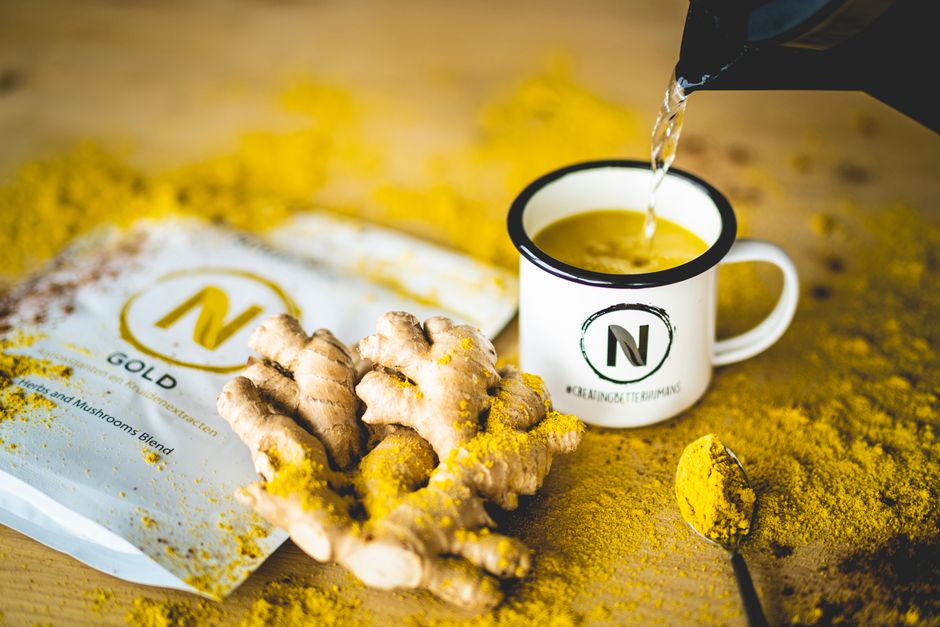
Turmeric tea is a simple drink made by steeping turmeric root or powder in hot water. It contains curcumin, the compound studied for its effects on inflammation. But how you make it matters more than most people realize — plain turmeric in water delivers very little curcumin to your body.
What Does Turmeric Tea Actually Do for Inflammation?
Curcumin can influence several molecules involved in the inflammatory response. It has been shown to interact with pathways that immune cells use to signal each other during inflammation. That part is well established in laboratory research.
What is far less clear is how much this matters when you drink turmeric tea. Curcumin is poorly absorbed from the gut. Most of what you swallow passes through without entering your bloodstream in meaningful amounts. This is not a small problem — it is the central challenge in all curcumin research.
Some studies suggest curcumin may reduce markers of inflammation in certain conditions. Results vary widely. The evidence is strongest for specific purified curcumin formulations used in clinical settings, often at high doses with absorption enhancers. That is a different situation from a cup of tea.
This does not mean turmeric tea is useless. It means the realistic expectation is modest. For most people, it is a supportive habit alongside other measures, not a treatment that replaces anything.
How Do You Make Turmeric Tea for Inflammation?
The method that gives you the best chance of absorbing curcumin follows a few basic principles. Heat, fat, and black pepper each help in different ways.
Here is a straightforward approach:
- Add 1 to 2 teaspoons of turmeric powder to a cup of water
- Bring to a gentle simmer for about 10 minutes
- Add a pinch of ground black pepper
- Stir in a small amount of fat — coconut milk, whole milk, or a teaspoon of olive oil
- Strain if you prefer a smoother drink
Simmering helps release curcumin from the powder. Fat gives curcumin something to dissolve into, since it does not mix well with water. Black pepper contains piperine, which has been shown to increase curcumin absorption. These are established findings, though the exact size of the pepper effect varies between studies and formulations.
If you are using fresh turmeric root instead of powder, grate about an inch of peeled root and simmer it the same way. The flavor is brighter and less bitter.
One clarification worth knowing: golden milk, the popular turmeric drink made with milk and spices, is essentially turmeric tea with fat already built in. If you make it with whole milk or coconut milk, you are already following the absorption logic above.
Why Does Black Pepper Matter in Turmeric Tea?
Piperine, the compound that gives black pepper its bite, slows the breakdown of curcumin in the liver and gut wall. When curcumin is not cleared as quickly, more of it stays in circulation.
Research on this interaction is consistent in direction, though the numbers come mostly from small studies using purified compounds rather than tea. A pinch of pepper in your cup is a reasonable, low-risk addition. It will not turn tea into a drug, but it works in the right direction.
You do not need much. A small pinch is enough. More pepper mostly changes the taste.



Should You Add Fat to Turmeric Tea?
Yes, if your goal is absorption. Curcumin is fat-soluble. In plain water, very little of it makes it into a form your body can take up.
Good options include:
- Coconut milk or full-fat dairy milk
- A teaspoon of olive oil
- Ghee or butter
- Nut milks with added fat
Skim milk or plain almond milk without added fat will help less. The difference is not dramatic, but it is real.
If you are watching calories or saturated fat, a small amount still helps. You do not need a rich drink — just enough fat to carry the curcumin.
Does Turmeric Tea Work as Well as Curcumin Supplements?
No. This is one of the most important things to understand about turmeric.
Most clinical trials on curcumin use concentrated extracts, often combined with absorption enhancers like piperine or phospholipids. Doses in those studies are far higher than what you get from tea. The tea simply cannot deliver a comparable amount.
That does not mean supplements are automatically better for you. Many commercial turmeric supplements have their own absorption problems, and quality varies. Some products make claims that no study has confirmed.
If you are considering a supplement for a specific condition, that is a conversation to have with your doctor. Turmeric can interact with blood thinners and some other medications, and it may not be appropriate before surgery or during pregnancy.
How Often Should You Drink Turmeric Tea?
There is no established clinical guideline for how much turmeric tea to drink. No official body has set a recommended amount for this purpose.
Many people drink one cup daily. Some drink it twice. There is no strong evidence that more is better, and very high intakes of turmeric or curcumin can cause digestive upset in some people.
If you enjoy it and tolerate it well, daily use is a reasonable habit. If you notice stomach discomfort, cut back.
For context on turmeric as a food: the USDA lists turmeric spice as a source of manganese and iron, though the amounts you get from a cup of tea are small. Turmeric has a long history as a culinary spice, and food-level amounts are generally considered safe.
What Else Helps With Inflammation?
Turmeric tea is one small piece. The bigger levers are well established.
- Eating a diet rich in vegetables, fruit, whole grains, and fatty fish
- Getting regular physical activity
- Sleeping enough
- Managing stress
- Not smoking
- Limiting alcohol
These have far more evidence behind them than any single spice. If you are dealing with chronic inflammation, they are where the real gains are.
It is also worth saying plainly: chronic inflammation is often a symptom of an underlying condition. If you have persistent pain, swelling, fatigue, or other symptoms that do not resolve, see a doctor. Tea will not diagnose or treat what is causing the problem.
What Are the Risks of Drinking Turmeric Tea?
For most people, turmeric tea at food amounts is well tolerated. The main concerns involve high-dose curcumin, not tea.
Turmeric can slow blood clotting. If you take blood thinners like warfarin, or if you have a bleeding disorder, talk to your doctor before making it a daily habit. The same applies if you have surgery scheduled — some clinicians recommend stopping turmeric supplements beforehand, though guidance varies.
Turmeric may also stimulate the gallbladder. People with gallstones or bile duct problems should be cautious.
High doses of curcumin can cause nausea, diarrhea, or stomach upset. Tea is unlikely to cause this at normal amounts, but individual tolerance varies.
If you are pregnant or breastfeeding, there are no clinical guidelines for turmeric tea as a remedy. Culinary amounts in food are generally considered fine, but concentrated or medicinal use is a different question. Ask your doctor.
Frequently Asked Questions
How do you make turmeric tea for inflammation?
Simmer 1 to 2 teaspoons of turmeric powder in water for about 10 minutes, then add a pinch of black pepper and a small amount of fat like coconut milk or olive oil. The pepper and fat help your body absorb more curcumin.
Does turmeric tea really reduce inflammation?
Curcumin, the active compound in turmeric, can influence inflammatory pathways in laboratory studies. However, curcumin is poorly absorbed, so the effect of drinking tea is likely modest and not comparable to concentrated supplements used in clinical trials.
Can I drink turmeric tea every day?
There is no official guideline on how often to drink it, but many people have one cup daily without issues. If you take blood thinners or have gallbladder problems, check with your doctor first.
Is turmeric tea as effective as turmeric supplements?
No. Most clinical studies use concentrated curcumin extracts with absorption enhancers at doses far higher than tea can provide. Tea is a supportive habit, not a replacement for medical treatment.
