
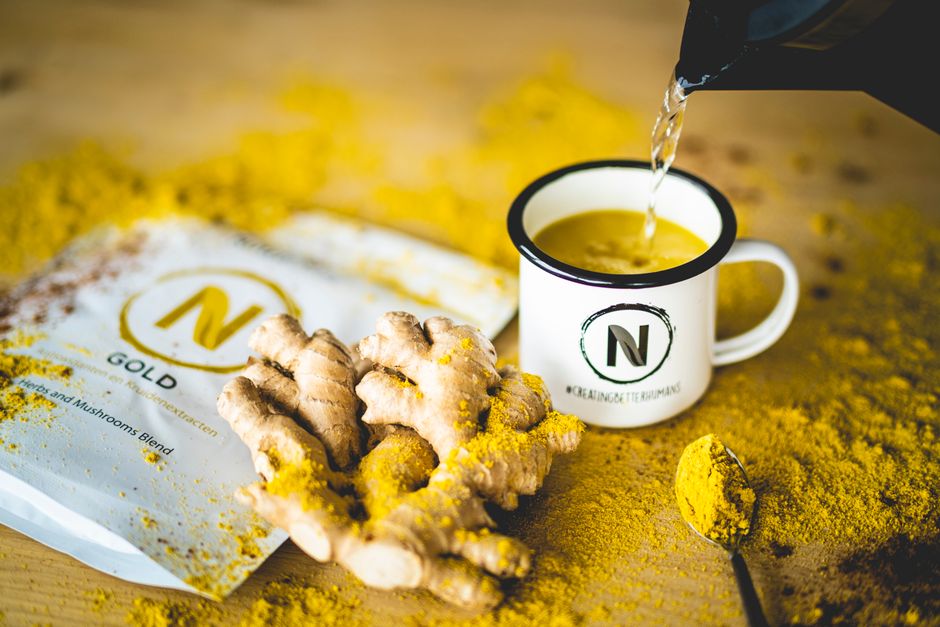
Yes, turmeric can reduce inflammation in the body. The active compound curcumin has been studied for decades and shows real anti-inflammatory effects in lab settings and human trials. But the story is more complicated than most articles will tell you. The benefits depend heavily on how you take it, how much you take, and what kind of inflammation you are dealing with.
Inflammation is your body’s natural response to injury or threat. Short-term inflammation helps you heal. Long-term inflammation is a problem. It is linked to arthritis, heart disease, diabetes, and other chronic conditions. Turmeric targets the pathways that drive this chronic inflammation. But getting enough curcumin into your bloodstream to make a difference is harder than you might think.
This article covers what the research actually says about turmeric for inflammation. No hype. Just the facts from real studies and what they mean for you.
How Does Turmeric Reduce Inflammation in the Body?
Turmeric contains a group of compounds called curcuminoids. Curcumin is the most active one. Research shows that curcumin blocks several molecules that cause inflammation, including NF-kB, COX-2, and various cytokines. These are the same pathways that many anti-inflammatory drugs target.
The National Institutes of Health has funded multiple studies on curcumin’s anti-inflammatory properties. One study published in the journal Oncogene found that curcumin blocks NF-kB, a protein that controls inflammation at the genetic level. Blocking NF-kB is like turning off a master switch for inflammation.
But here is where the nuance matters. Curcumin does not work the same way in every person. Your genetics, your gut health, and what you eat alongside turmeric all affect how much curcumin actually gets into your system. Some people get strong effects. Others see little to no benefit.
What Does Clinical Research on Turmeric for Inflammation Show?
Several human trials have tested turmeric for specific inflammatory conditions. The strongest evidence is for osteoarthritis. A 2016 review in the Journal of Medicinal Food analyzed multiple studies and found that turmeric extract reduced pain and improved function in people with knee osteoarthritis. The effects were similar to ibuprofen but with fewer side effects.
Another study published in Phytotherapy Research compared curcumin to diclofenac, a prescription anti-inflammatory drug. After eight weeks, the curcumin group had similar pain reduction to the drug group. The curcumin group also had fewer stomach problems.
Research on turmeric for rheumatoid arthritis is less convincing. Some small studies show modest benefits for joint swelling and morning stiffness. But larger, well-designed trials are still missing. The American College of Rheumatology does not currently recommend turmeric as a standard treatment for rheumatoid arthritis.
Evidence for turmeric reducing inflammation in heart disease or diabetes is even weaker. Early studies suggest possible benefits for blood vessel function and blood sugar control. But these are small studies with inconsistent results. More research is needed before anyone can make strong claims.
How Much Turmeric Do You Need to Reduce Inflammation?
Most studies use turmeric extracts standardized to contain 95 percent curcuminoids. The typical dose is 500 to 1000 milligrams per day. Some studies go up to 2000 milligrams. Whole turmeric powder contains only about 3 percent curcumin by weight. You would need to eat tablespoons of the spice daily to match what studies use.
This is a major point that most articles miss. Eating turmeric in your food is healthy. But it will not deliver the same anti-inflammatory effects as a concentrated extract. The doses used in clinical trials are simply higher than what you can get from cooking.
Absorption is another problem. Curcumin is poorly absorbed on its own. Your body breaks it down and eliminates it quickly. Most supplements include black pepper extract, specifically piperine, which can increase absorption by up to 2000 percent. If you take a turmeric supplement without piperine, you are likely wasting your money.
Here is a comparison of common turmeric forms and their estimated curcumin content:
| Form | Curcumin Content | Typical Dose | Absorption |
|---|---|---|---|
| Whole turmeric powder | 3% | 1 teaspoon (3g) | Very low |
| Standardized extract (95% curcuminoids) | 95% | 500mg capsule | Low without piperine |
| Liposomal curcumin | Varies | 500mg liquid | Higher |
| Curcumin with piperine | 95% | 500mg capsule | Up to 2000% increase |



What Are the Side Effects and Risks of Turmeric?
Turmeric is generally safe for most people. The World Health Organization considers it safe at up to 3 milligrams per kilogram of body weight daily. For a 150-pound person, that is about 200 milligrams of curcumin. Higher doses used in studies are still safe for most people but can cause side effects.
The most common side effects are digestive. Some people get nausea, stomach upset, or diarrhea at higher doses. This is more common with extracts than with whole turmeric powder. Taking turmeric with food can reduce these issues.
Turmeric can also act as a blood thinner. It has mild anti-platelet effects similar to aspirin. If you take blood thinners like warfarin or have a bleeding disorder, talk to your doctor before taking turmeric supplements. The same applies if you have gallbladder problems. Turmeric can cause contractions in the gallbladder, which may be painful if you have gallstones.
One non-obvious point: turmeric supplements can interfere with iron absorption. The compounds that give turmeric its color also bind to iron in your gut. If you have iron deficiency, taking turmeric with meals might make it worse. Space your turmeric and iron-rich foods apart by at least two hours.
What to Look for in a Turmeric Supplement
Not all turmeric supplements are the same. Many products on store shelves contain very little active curcumin. Some are made from whole turmeric powder with no standardization. These are unlikely to give you measurable anti-inflammatory effects.
Here is what to check on the label:
- Standardized to 95 percent curcuminoids. This guarantees a consistent amount of active compound.
- Contains piperine or black pepper extract. Without it, most curcumin passes through your body unabsorbed.
- Third-party tested. Look for seals from USP, ConsumerLab, or NSF. These verify the product contains what the label says.
- No unnecessary fillers. Avoid products with long ingredient lists of additives you cannot pronounce.
Some newer formulations use liposomal curcumin or curcumin combined with fats like coconut oil. These may improve absorption without piperine. But the research on these forms is still early. Piperine remains the most proven option.
If you prefer using whole turmeric in cooking, combine it with black pepper and a fat source like olive oil or coconut milk. This improves absorption naturally. But again, the amounts are much smaller than what studies use for inflammation. Cooking with turmeric is good for general health. It is not a treatment for chronic inflammatory conditions.
Common Misconceptions About Turmeric and Inflammation
The biggest misconception is that turmeric works instantly. It does not. Curcumin builds up in your system over time. Studies that show benefits for osteoarthritis typically run for eight to twelve weeks. You will not notice a difference after one dose. Consistency matters far more than how much you take in a single day.
Another misconception is that more is always better. Taking extremely high doses of curcumin does not increase the benefits linearly. Your body has a limit on how much it can absorb at once. Taking 2000 milligrams in a single dose is not more effective than 500 milligrams taken four times throughout the day. Spreading your doses out improves absorption and reduces side effects.
Some people believe turmeric can replace all anti-inflammatory medications. This is not supported by evidence. Turmeric can reduce inflammation for some people in some conditions. But it does not work for everyone, and it does not work for every type of inflammation. For serious conditions like rheumatoid arthritis or inflammatory bowel disease, turmeric might help alongside medical treatment but should not replace it.
There is also a widespread claim that turmeric cures cancer. As of 2026, there is no clinical evidence that turmeric or curcumin cures any form of cancer in humans. Some lab studies show curcumin can slow cancer cell growth. But this has not translated into effective cancer treatment in people. Anyone claiming turmeric cures cancer is selling something.
Frequently Asked Questions
How long does turmeric take to reduce inflammation?
Most studies show benefits after four to eight weeks of consistent daily use. Some people notice changes sooner but results are not instant.
Can turmeric replace ibuprofen for inflammation?
Some studies suggest turmeric works as well as ibuprofen for osteoarthritis pain. But it is not a direct replacement for all types of inflammation or for everyone.
Is fresh turmeric better than supplements for inflammation?
Fresh turmeric has more volatile oils but much less curcumin than standardized extracts. Supplements deliver higher and more reliable doses for anti-inflammatory effects.
Does turmeric interact with any medications?
Yes. Turmeric can interact with blood thinners, stomach acid reducers, and diabetes medications. Talk to your doctor before starting supplements if you take any prescription drugs.
