
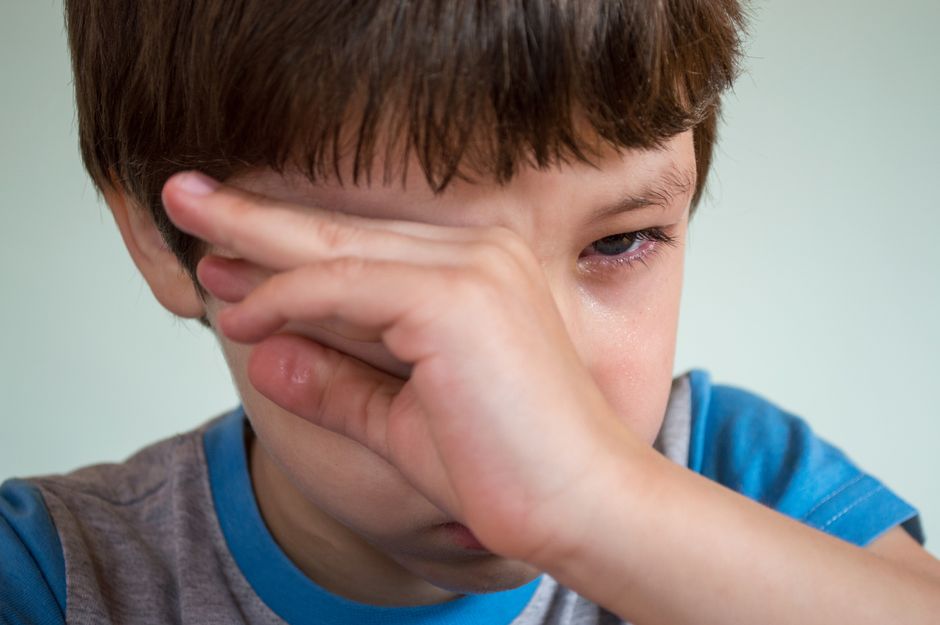
Most of the pain from a shot comes from the needle passing through skin, not from the medicine itself. That means the discomfort is brief and largely predictable — and a lot of it can be reduced with simple steps taken before and during the injection. For kids, the biggest factors are positioning, distraction, and keeping the child calm. For adults, it’s about muscle relaxation, needle choice, and where the shot goes.
No method removes all pain. But research on needle-related comfort has identified several techniques that reliably help, and a few popular ideas that don’t hold up. Here’s what the evidence actually supports.
Why Do Shots Hurt In The First Place?
Skin is packed with nerve endings, especially in the outer layers. When a needle passes through, it triggers those nerves directly. That sharp moment is the main source of pain.
What happens next depends on the shot. A vaccine or medication injected into muscle can cause mild pressure or aching as the fluid spreads into tissue. The muscle itself has fewer pain receptors than skin, which is why the needle stick usually hurts more than the injection.
Needle size matters. Smaller gauge needles (a higher gauge number means a thinner needle) cause less discomfort. Length matters too — a needle that’s longer than needed can reach sensitive tissue, while one that’s too short may not deliver the medicine where it belongs. Clinicians choose based on the person’s body size and the type of injection.
Some people also feel a brief sting from the preservatives or pH of certain medicines. This varies by product and isn’t something you can control at home.
How To Make Shots Not Hurt For Kids And Adults
The same core principles apply to both age groups, though how you apply them differs. The goal is to relax the muscle, calm the nervous system, and give the brain something else to focus on.
For children
Position matters more than most parents realize. Holding a child firmly but gently in a secure position — rather than letting them pull away — reduces the chance of a moving target and a longer, more painful stick. For young children, sitting upright on a parent’s lap often works well.
Distraction is one of the best-supported techniques. Bubbles, a video, a favorite toy, or singing can pull attention away from the needle. Research on pediatric needle pain consistently finds that distraction reduces reported pain and distress.
For infants, comfort measures like swaddling, skin-to-skin contact, and letting them suck on a pacifier or breastfeed during the shot are widely used and supported by pediatric guidance. A sweet-tasting solution given shortly before a needle procedure is also used in many clinical settings for infants, though this should be discussed with the clinician rather than improvised at home.
Be honest with older children. Telling a child a shot won’t hurt at all can backfire when it does. Saying something like “it will feel like a quick pinch and then it’s over” builds trust and tends to reduce anxiety over time.
For adults
Relax the arm. Tensing the muscle makes the injection more painful and can cause more soreness afterward. Let the arm hang loose and heavy.
Look away if needles make you anxious. Some people do better watching, but if you’re prone to feeling faint, turning your head and taking slow breaths helps prevent dizziness. Fainting after injections is common enough that clinicians often have patients sit for a short time afterward.
Ask about needle size if you’ve had consistently painful shots. In some cases a smaller needle is appropriate, though not every medicine can be delivered through one. That’s a conversation for the clinician giving the injection.
Does Numbing Cream Actually Help?
Yes, for some people. Topical anesthetics containing lidocaine or a lidocaine-prilocaine combination are used to numb skin before needle procedures, and they’re well established in clinical practice. They work best when applied ahead of time — typically under a dressing for a period before the appointment, following the product’s instructions.
The catch is timing. These creams need lead time to work, which makes them impractical for a walk-in vaccination. They’re more useful for planned procedures or for people with significant needle fear.
For children, numbing creams are sometimes used before certain injections, but whether they’re appropriate depends on the vaccine, the child’s age, and clinical guidance. Ask the clinician rather than applying one on your own.
Cooling sprays and ice are sometimes used to dull skin sensation, but the evidence for them is weaker than for topical anesthetics, and icing isn’t recommended before every type of injection.





What About Needle-Free Options And Buzzy Devices?
Needle-free injection devices exist and are used for certain vaccines and medications. They deliver medicine through the skin under pressure rather than with a needle. They’re not available for every product, and availability varies by clinic and country.
Vibration and cooling devices — often marketed under brand names — are designed to reduce needle pain by distracting nerves with cold and vibration. Some studies suggest they can reduce pain in children, but results vary and the evidence isn’t strong enough to call them reliably effective for everyone. They’re an option worth asking about, not a guarantee.
Be cautious with products marketed as pain-free needles. No injection through skin is truly painless. Marketing language that promises zero pain doesn’t match how skin and nerves work.
Does The Injection Site Or Technique Change The Pain?
Yes. Technique matters, and it’s largely in the clinician’s hands — but knowing what to expect helps you advocate for yourself or your child.
- Site selection: Deltoid (upper arm) injections are common for adults and older children. Infants and young children often receive shots in the thigh, which has more muscle mass relative to their size.
- Muscle relaxation: A relaxed muscle accepts fluid more easily than a tense one.
- Speed: Injecting medication slowly can reduce pressure and stinging for some products.
- Aspiration and technique: Current guidance in many countries no longer recommends pulling back on the syringe before injecting most vaccines, based on evidence that it isn’t necessary and may increase pain. Practices vary, so this is a clinician’s call.
One detail worth knowing: the pinch-and-inject approach some people expect isn’t standard for every vaccine. Some clinicians use a technique that stretches the skin instead, which can reduce pain for certain injections. It depends on the product and the clinician’s training.
What Helps With Soreness After A Shot?
Mild soreness, redness, or swelling at the injection site is common and usually settles within a day or two. A cool compress can ease discomfort. Moving the arm gently rather than keeping it still often helps soreness pass faster.
Over-the-counter pain relievers are widely used for post-shot soreness in adults. For children, check with a clinician or pharmacist before giving any medication, and follow the dosing on the product label for the child’s age and weight. Routine use of pain relievers before a shot to prevent pain is not recommended for vaccines, because some evidence suggests it could affect the immune response — so timing matters.
Seek medical advice if soreness is severe, spreading, or accompanied by fever that concerns you, or if a child seems unusually unwell after a shot. Serious reactions are rare, but they need prompt attention when they happen.
What About Fear Of Needles?
Needle fear is common and real — it’s not childishness. For some people it’s intense enough to cause avoidance of medical care, which has real health consequences over time.
Telling a clinician about needle fear ahead of time helps. They can adjust positioning, use distraction, or suggest a numbing cream for planned procedures. For significant phobia, behavioral therapy approaches have good evidence for reducing needle-related anxiety.
For kids, how parents respond matters. Calm, matter-of-fact language and praise afterward tend to help. Visible parental anxiety can increase a child’s distress, so managing your own reaction is part of the process.
Frequently Asked Questions
Do shots hurt more in the arm or the thigh?
Pain depends more on needle technique and muscle tension than on the site itself. Thigh injections are common for young children because of their body proportions, while arm injections are standard for adults and older children.
Should I give my child pain reliever before a shot?
Routine pre-vaccination pain relievers are not recommended, because some evidence suggests they may affect the immune response. Ask the clinician before giving any medication around the time of a shot.
Does coughing during a shot reduce pain?
Some research suggests coughing or other distraction techniques can reduce needle pain in adults, but results vary and it isn’t a standard recommendation. Distraction in general is a reasonable approach.
How long does soreness last after a shot?
Mild soreness usually eases within a day or two. Soreness that is severe, spreading, or accompanied by concerning symptoms should be checked by a clinician.
