
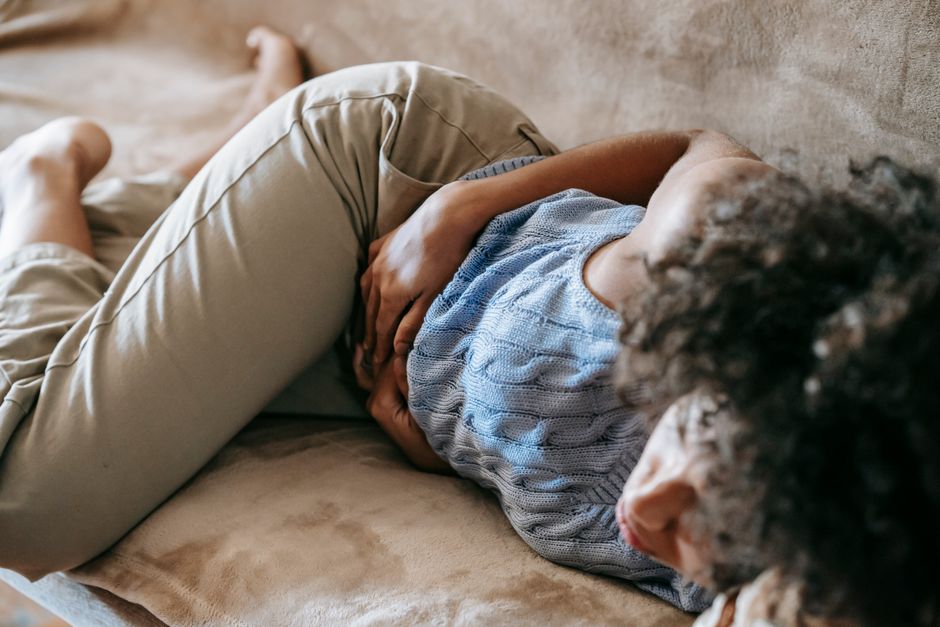
Yes, children can get Helicobacter pylori. It is one of the most common bacterial infections in the world, and most people who carry it pick it up in childhood. The infection is often silent in kids, but it can also cause stomach pain, nausea, and other digestive symptoms. Testing and treatment work differently in children than in adults, and that difference matters.
Can Kids Get H Pylori Symptoms Diagnosis And Treatment?
Children can carry H. pylori, and they can develop symptoms from it. But the way this infection behaves in kids is not simply a smaller version of the adult disease.
H. pylori is a spiral-shaped bacterium that lives in the mucus layer that coats the inside of the stomach. It survives there because it produces an enzyme that neutralizes stomach acid around itself. That is why it can take up residence in an environment that kills most microbes.
In adults, long-term H. pylori infection is a well-established cause of peptic ulcers and is strongly linked to stomach cancer. In children, the picture is different. Many infected children have no symptoms at all. When symptoms do appear, they tend to be stomach pain, nausea, bloating, or a feeling of fullness. Some children develop ulcers, but this is less common than in adults.
One important point that surprises many parents: international pediatric guidelines generally recommend against routine testing and treatment of H. pylori in children who only have stomach pain without other findings. That is a real difference from adult care, and it is not because the infection is harmless. It is because treating it in children has not been shown to reliably improve symptom outcomes the way it does in adults with ulcers.
How Do Children Get H Pylori?
H. pylori spreads mainly from person to person, and it usually spreads within households. The exact routes are not fully pinned down, but the evidence points to oral-oral and possibly fecal-oral transmission. That means close contact, shared utensils, and shared living space all matter.
Most infections are acquired in childhood. Crowded living conditions and lower sanitation increase the risk. In the United States, infection rates are lower than in many other parts of the world, but H. pylori is still common.
Once a person is infected, the immune system does not usually clear it on its own. Without treatment, the infection can persist for decades. This is part of why it is considered a chronic infection rather than something that comes and goes.
What Are the Symptoms of H Pylori in Children?
Most children with H. pylori have no symptoms. When symptoms occur, they are not specific to this infection, which makes them easy to confuse with many other childhood complaints.
Possible symptoms include:
- Pain or discomfort in the upper belly, often around the navel in younger children
- Nausea, sometimes with vomiting
- Bloating or a feeling of fullness after eating
- Loss of appetite
- Black or tarry stools, which can signal bleeding from an ulcer
- Vomiting blood, which is a medical emergency
The last two symptoms are uncommon but serious. They suggest an ulcer is bleeding, and a child with these signs needs urgent medical care.
Because ordinary stomach pain is extremely common in children, symptoms alone cannot tell you whether H. pylori is the cause. That is a key reason testing decisions should be made by a clinician rather than by symptom pattern.





When Should a Child Be Tested for H Pylori?
Testing is not recommended for every child with a stomachache. Pediatric guidance generally reserves testing for specific situations where the results will change what happens next.
Situations where testing is typically considered include:
- A confirmed peptic ulcer, seen on endoscopy
- Persistent or severe upper abdominal symptoms that suggest an ulcer or another serious cause
- A history of stomach or duodenal cancer in a first-degree relative
- Certain chronic conditions that require long-term acid-suppressing medication
Outside of these situations, testing a child simply because of recurring stomach pain is generally not recommended. The reason is practical: finding and treating the infection in a child without an ulcer has not been shown to reliably resolve the pain, and treatment carries its own costs and risks.
How Is H Pylori Diagnosed in Children?
Diagnosis in children uses different tests than in adults, and the choice of test matters. Some tests that work well in adults are less reliable in kids.
The main options are:
- Stool antigen test — detects H. pylori proteins in stool. It is non-invasive and commonly used in children.
- Urea breath test — the child swallows a solution and breathes into a collection device. It is accurate but requires cooperation and is used less often in young children.
- Endoscopy with biopsy — a camera examines the stomach lining and small tissue samples are taken. This is the most definitive method and is used when an ulcer or other serious condition is suspected.
- Blood antibody tests — these are not recommended for diagnosing active infection in children, because antibodies can remain positive long after an infection has cleared.
One practical detail: acid-suppressing medications and antibiotics can interfere with stool and breath test results. If a child is on these, the clinician may ask for a pause before testing. This is a detail worth confirming with the care team, because it affects accuracy.
How Is H Pylori Treated in Children?
When treatment is warranted, it typically involves a combination of medications taken together for a set period. The goal is to clear the infection and, when an ulcer is present, allow it to heal.
Standard treatment usually combines:
- An acid-suppressing medication, such as a proton pump inhibitor
- Two antibiotics
- Sometimes a fourth medication, such as bismuth
This multi-drug approach is used because H. pylori can develop resistance to a single antibiotic. Using two antibiotics together improves the chance of clearing the infection.
Antibiotic resistance is a growing problem worldwide, and it affects how well treatment works. This is one reason clinicians may choose different antibiotic combinations based on local resistance patterns and the child’s history.
After treatment, a follow-up test is recommended to confirm the infection is gone. A stool antigen test or breath test is typically used for this. Confirming clearance matters, because treatment does not always succeed on the first attempt.
Parents should not attempt to treat a suspected H. pylori infection with leftover antibiotics or over-the-counter remedies. The specific drug combination and duration matter, and self-treatment risks both failure and added resistance.
Does H Pylori Cause Stomach Cancer in Children?
H. pylori is classified as a carcinogen, and long-term infection is a well-established risk factor for stomach cancer in adults. That link is real and well documented.
But cancer is not a childhood outcome of this infection. Stomach cancer develops over decades, and the risk reflects many years of chronic infection combined with other factors. A child diagnosed with H. pylori is not facing a near-term cancer risk.
The reason this matters for parents is that it can create anxiety that outpaces the actual short-term concern. The relevant question in childhood is whether the infection is causing an ulcer or significant symptoms right now.
What Should Parents Do If They Suspect H Pylori?
Start with a clinician rather than a test kit. Recurring stomach pain in a child has many possible causes, and most of them are not H. pylori.
Bring specific information to the visit: how long the pain has lasted, where it is located, whether it relates to eating, and whether there has been nausea, vomiting, weight loss, or changes in stool color. These details help a clinician decide whether testing or further evaluation is warranted.
Seek urgent care for black or tarry stools, vomiting blood, severe or worsening pain, or signs of dehydration. These are not wait-and-see symptoms.
The bottom line for parents: H. pylori can affect children, but it is usually silent, and routine testing for ordinary stomach pain is not recommended. When an ulcer or another clear reason is present, testing and treatment are well established. The decision about whether to test should rest on the specific situation, not on symptoms alone.
Frequently Asked Questions
Can kids get H pylori?
Yes. H. pylori infection is common in children, and most people who carry it acquired it during childhood. Many infected children have no symptoms at all.
What are the symptoms of H pylori in a child?
Symptoms can include upper belly pain, nausea, bloating, and loss of appetite, though many children have none. Black stools or vomiting blood can signal a bleeding ulcer and require urgent care.
How is H pylori diagnosed in children?
Stool antigen tests and urea breath tests are commonly used, while blood antibody tests are not recommended for active infection. Endoscopy with biopsy is the most definitive method when an ulcer is suspected.
Is H pylori treatment different for children than adults?
Treatment usually combines an acid-suppressing medication with two antibiotics, similar in principle to adult treatment. However, guidelines generally advise against testing and treating children who only have stomach pain without an ulcer or other clear reason.
