
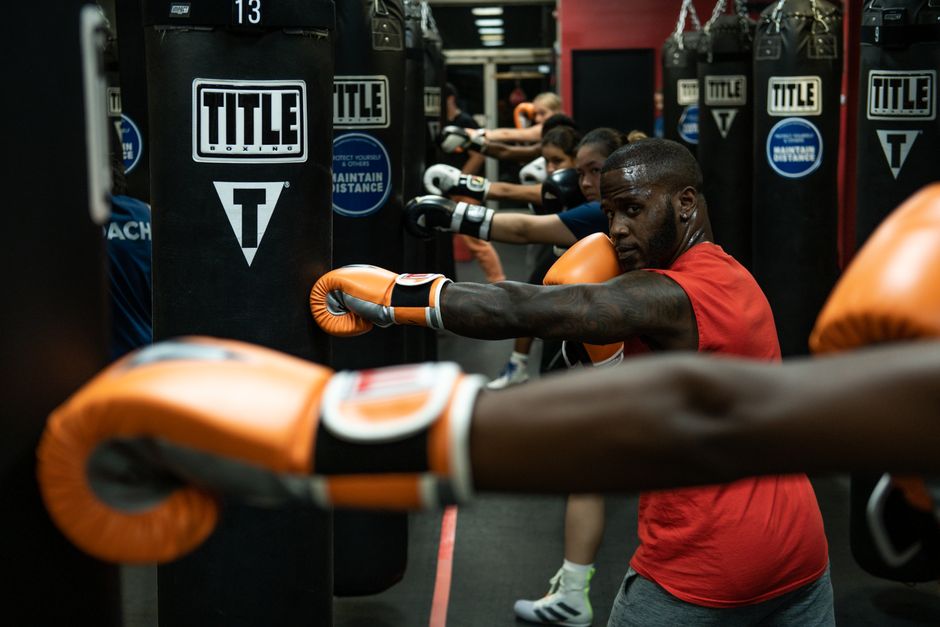
Sparring is not fighting. It is a training drill, and the goal is to leave the gym with your brain and body intact. You do that by treating every round as controlled practice: pick a compatible partner, agree on intensity before the bell, wear the right protective gear, keep your defense honest, and stop the moment anyone loses control. Most sparring injuries are not accidents. They are predictable results of mismatched partners, ego, and rounds that should have ended earlier.
What Is Sparring Actually Supposed to Be?
Sparring is a supervised simulation of a fight. It exists so you can practice timing, distance, defense, and decision-making against a live opponent who moves and hits back. It is not a competition and it is not scored.
That distinction matters more than most beginners realize. In a real bout, both fighters are trying to win. In sparring, both fighters are trying to learn. The moment winning becomes the priority, the risk of injury rises sharply.
Good sparring is cooperative underneath the competition. Your partner is helping you see things you cannot see in drills. You are doing the same for them. When that mutual purpose is lost, the session stops being training.
How Do You Choose a Safe Sparring Partner?
Partner selection is the single biggest factor in whether you get hurt. Skill, size, and temperament all matter, and temperament matters most.
The best partners share three traits. They are close to your weight. They are close to your experience level, or more experienced in a way that makes them controlled rather than reckless. And they treat sparring as practice, not as a chance to prove something.
Watch how someone spars before you get in the ring with them. If they throw hard at clearly less skilled partners, if they escalate when they get hit, or if they seem frustrated during rounds, decline. You do not owe anyone a round.
Weight matters because force scales with mass. A 30-pound gap changes the physics of every punch, even a light one. Some gyms allow bigger gaps when the heavier fighter is far more skilled and deliberately holds back. That can work, but it requires real restraint.
What Gear Reduces Sparring Injuries?
Protective gear lowers risk but does not remove it. No piece of equipment makes you safe from a hard shot.
Headgear is the most debated item. It reduces cuts and surface damage. Whether it reduces concussion is genuinely unclear, and some research suggests it may not. A 2013 review and later studies have raised the possibility that headgear can create a false sense of security or change impact forces in ways that do not protect the brain. The honest position: headgear helps with facial cuts and bruises, and the evidence that it prevents concussion is weak.
Other gear with clearer roles:
- Mouthguard — protects teeth, lips, and jaw. A custom-fit guard stays in place better than a boil-and-bite one.
- 16 oz gloves — standard for sparring. Heavier gloves spread impact over more surface area than lighter bag gloves.
- Headgear and groin protection — required in many gyms and amateur settings.
- Hand wraps — support the wrist and knuckles, which protects your hands as much as your partner’s face.
Gear does not compensate for a bad partner or a bad decision. It is a supplement, not a shield.
How Hard Should You Actually Spar?
Most sparring should be light. Hard sparring has a place in preparing for competition, but it should be rare, planned, and supervised by a coach.
There is no universal percentage that fits every gym, though many coaches describe light sparring as roughly 30 to 50 percent of full power. The exact number is less important than the shared understanding. Before the round starts, both fighters should know what “light” means to each other.
A useful rule: if you cannot clearly see the punches coming and react to them, the pace is too high for learning. Light sparring lets you practice defense because your partner is not overwhelming you. Hard sparring mostly tests toughness, which is a different skill.
Repeated hard rounds accumulate. The brain does not distinguish between a punch in a fight and a punch in sparring. Subconcussive impacts, the hits that do not cause obvious symptoms, add up over a career. This is why many experienced coaches now limit hard rounds and save them for fight camps.
How Do You Spar Without Getting Hurt?
Defense is a skill you build, not a reflex you are born with. The fighters who get hurt most often are the ones who trade instead of defend.
Keep your hands up. This sounds obvious, but fatigue drops the guard first. When you get tired, your hands fall and your chin rises. Recognize that moment and either reset your stance or end the round.
Move your head off the center line after you punch. A common beginner habit is to throw and then stand still, which makes you a stationary target. Slip, roll, or step after every combination.
Do not close your eyes when punches come. It is a natural flinch, but it blinds you for the fraction of a second that matters most. Practice keeping your eyes open during light rounds until it becomes automatic.
Tap out or signal when you are hurt or dazed. There is no shame in stopping a round. Continuing after a hard shot is how minor problems become serious ones.
What Are the Warning Signs You Should Stop Sparring?
Some signs mean stop immediately. Others mean stop for the day. Knowing the difference protects your brain.
Stop the round right away if you feel dazed, confused, or unsteady. If you have a headache that worsens, nausea, vomiting, balance problems, vision changes, or memory gaps, that is a medical concern, not a toughness test. Seek medical evaluation. These are signs of possible concussion.
A concussion is a brain injury, and the response is not to shake it off. Current clinical guidance is that anyone suspected of a concussion should be removed from activity and evaluated by a healthcare professional, and should not return to sparring or contact until cleared. Returning too soon raises the risk of a second injury, which can be far more dangerous than the first.
Stop for the day, even without those signs, if you are getting hit cleanly again and again, if your partner has lost control, or if you are too tired to defend yourself properly. Fatigue is a major cause of injury in sparring.
How Do You Set Ground Rules Before the Bell?
A short conversation before the round prevents most problems. Agree on intensity, what is allowed, and how either person can stop.
Confirm the power level out loud. “Light, working on defense” is a complete sentence. Agree on whether body shots are in play, whether either of you has an injury to protect, and how many rounds you are doing.
Agree on a stop signal. Tapping your glove, raising a hand, or saying “stop” should end the exchange instantly. Both fighters need to honor it without hesitation.
Have a coach or experienced person watching. Supervision catches escalation before it becomes a problem. If your gym has no one watching sparring, that is a warning sign about the gym, not just the round.
Does Experience Make Sparring Safer?
Yes, up to a point. Experienced fighters take fewer clean shots because they see them earlier and control distance better. They also tend to spar lighter, because they understand what sparring is for.
Beginners are at higher risk for a different reason. They do not yet read incoming punches, they flinch, and they often throw harder than they intend because they lack control. This is why beginners should start with very light technical rounds against calm, experienced partners.
Experience does not make anyone immune. Long careers in contact sports are associated with cumulative brain effects, and the research on this is ongoing. The goal is to minimize unnecessary impacts, not to assume you can absorb them.
Frequently Asked Questions
Can you spar in boxing without getting hurt at all?
No. Any contact carries some risk of bruising, cuts, or head impacts. The realistic goal is to reduce risk through light intensity, good partners, and proper gear, not to eliminate it.
Does headgear prevent concussions in boxing?
The evidence that headgear prevents concussion is weak, and some research suggests it may not reduce concussion risk. It does help prevent cuts and facial injuries.
How often should you spar hard?
Most sparring should be light, with hard rounds reserved for planned competition preparation under a coach’s supervision. There is no universal schedule, and frequent hard sparring increases cumulative brain impact.
What should you do if you feel dazed after sparring?
Stop immediately and get evaluated by a healthcare professional. Signs like confusion, worsening headache, nausea, or memory gaps suggest a possible concussion, and you should not return to contact until cleared.
