
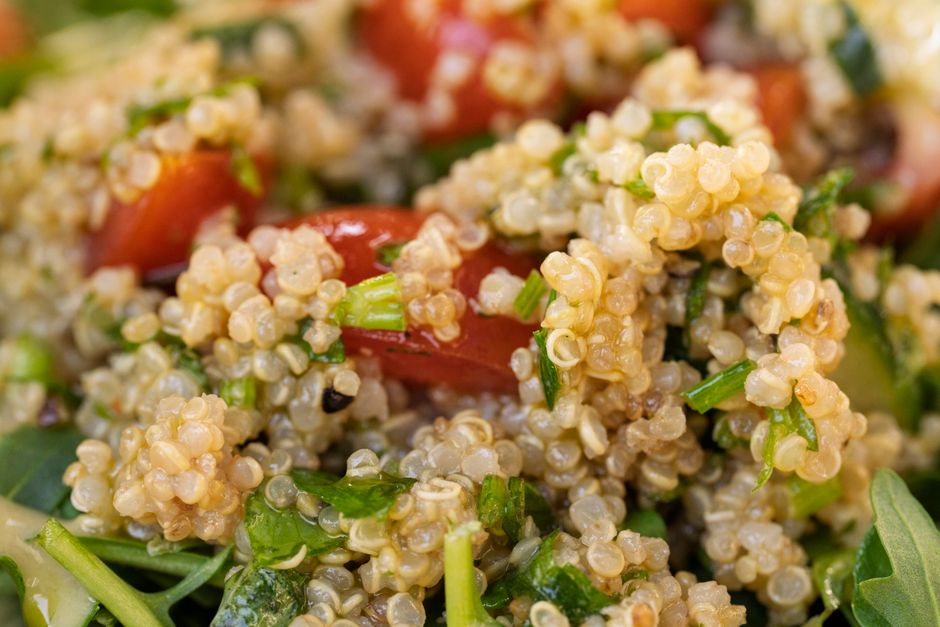
Quinoa has a naturally bitter, earthy flavor that many people find off-putting. The good news is that this taste is not a permanent feature of the grain—it is mostly caused by a bitter coating called saponin that washes off easily, and the rest can be transformed with proper cooking and seasoning. The simplest fix is to rinse it thoroughly before cooking and toast it in a dry pan for a few minutes to bring out a nutty flavor instead of a bitter one.
Why Does Quinoa Taste Bitter?
Quinoa seeds are naturally coated with saponins, which are plant compounds that taste soapy and bitter. This coating is a natural defense mechanism that keeps birds and insects from eating the seeds before they mature.
Most commercial quinoa is pre-rinsed, but not always thoroughly. If you buy quinoa in bulk or from a brand that does not list “pre-rinsed” on the package, the saponin coating may still be present. That bitter residue is often the main reason people dislike quinoa.
The solution is simple. Rinse quinoa in a fine-mesh strainer under cold running water for at least 30 seconds, rubbing the seeds between your fingers. Some people soak it for 5 to 10 minutes and then rinse again. This removes most of the saponin and eliminates the soapy aftertaste.
How To Make Quinoa Taste Good: The Toasting Method
Toasting quinoa before cooking is one of the most effective ways to improve its flavor. It takes about 3 to 5 minutes and changes the taste profile completely.
Heat a dry skillet or saucepan over medium heat. Add the rinsed quinoa and stir constantly for 3 to 5 minutes. The seeds will dry out, crackle slightly, and turn a light golden brown. You will notice a warm, nutty aroma. That is the sign that it is ready for liquid.
This step works because dry heat triggers the Maillard reaction, the same browning process that gives bread crust and roasted coffee their deep flavors. The result is a quinoa that tastes more like toasted nuts than bitter seeds.
Cook Quinoa in Broth Instead of Water
Water is neutral. Quinoa cooked in water will taste like quinoa, which is not always what you want. Cooking it in broth is one of the easiest ways to add flavor from the start.
Use vegetable, chicken, or beef broth in place of water. The quinoa absorbs the broth during cooking, so the flavor becomes part of the grain itself rather than something added after. If you are watching your sodium, choose a low-sodium broth and season with salt to your own taste.
You can also add aromatics to the cooking liquid. A crushed garlic clove, a bay leaf, a strip of lemon zest, or a few sprigs of fresh herbs will infuse the quinoa as it cooks. Remove them before serving.





Use the Right Liquid Ratio for Fluffy Quinoa
The standard ratio for quinoa is 1 part quinoa to 2 parts liquid. This produces a fluffy, separate grain. Some people prefer slightly less liquid for a firmer texture, but 1:2 is the most reliable starting point.
Bring the liquid to a boil, add the quinoa, reduce the heat to low, cover, and simmer for about 15 minutes. Then remove it from the heat and let it sit, covered, for 5 minutes. Fluff with a fork before serving.
Do not stir the quinoa while it cooks. Stirring breaks the grains and makes them mushy and sticky. The steam does the work; your job is to leave it alone.
Season Quinoa After Cooking Too
The cooking liquid is not the only place to add flavor. A simple dressing after cooking can turn plain quinoa into something you actually want to eat.
A basic vinaigrette works well. Whisk together olive oil, lemon juice or vinegar, a pinch of salt, and a clove of minced garlic. Pour it over warm quinoa and toss. The warm grains absorb the dressing quickly, so the flavor spreads evenly.
Fresh herbs also make a big difference. Chopped parsley, cilantro, dill, or mint add brightness and freshness. Green onions or chives give a mild onion flavor without overpowering the dish.
Flavor Combinations That Work
Quinoa is a blank canvas, but some pairings work better than others. Here are three reliable flavor directions:
- Mediterranean: olive oil, lemon juice, crumbled feta, cherry tomatoes, cucumber, and fresh oregano.
- Asian-inspired: soy sauce or tamari, sesame oil, rice vinegar, grated ginger, and sliced green onions.
- Southwestern: lime juice, cilantro, black beans, corn, and a pinch of cumin or chili powder.
These combinations work because they balance quinoa’s mild nuttiness with acidity, salt, and fresh aromatics. Acidic ingredients like lemon juice and vinegar are especially helpful—they cut through the earthy flavor and brighten the whole dish.
How To Make Quinoa Taste Good for Meal Prep
Quinoa stores well, which makes it a practical choice for meal prep. Cooked quinoa keeps in the refrigerator for about 4 to 5 days in an airtight container.
If you plan to eat it over several days, keep the dressing separate. Add it right before serving. This prevents the quinoa from becoming soggy and keeps the texture intact.
Quinoa also freezes well. Spread cooked and cooled quinoa in a single layer on a baking sheet, freeze it for an hour, then transfer it to a freezer bag. It will keep for up to 2 months. To reheat, add a splash of water or broth and microwave or warm it in a skillet.
Common Mistakes That Ruin Quinoa’s Taste
Several mistakes can make quinoa taste worse than it should. The most common one is skipping the rinse. Even pre-rinsed quinoa can benefit from a quick rinse at home.
Another mistake is undercooking or overcooking. Undercooked quinoa is crunchy and hard in the center. Overcooked quinoa turns mushy and bland. The 15-minute simmer plus 5-minute rest gives the best texture.
Using too much salt in the cooking water can also mask the natural flavor rather than enhance it. Start with a small amount and adjust after cooking. You can always add more salt, but you cannot take it out.
Is Quinoa Actually Healthy?
Quinoa is a whole grain that is naturally gluten-free. It is one of the few plant foods that provides all nine essential amino acids, making it a complete protein. A cooked cup of quinoa contains about 8 grams of protein and 5 grams of fiber.
It also provides magnesium, iron, potassium, and several B vitamins. Its glycemic index is lower than white rice, which means it raises blood sugar more slowly. This makes it a reasonable choice for people managing blood sugar levels.
Quinoa is not a superfood in the marketing sense—no single food is—but it is a nutritious whole grain that fits well into a balanced diet. The health benefits only matter if you actually enjoy eating it, which is why improving the taste is worth the extra few minutes of effort.
Frequently Asked Questions
Do you have to rinse quinoa before cooking?
Yes, rinsing removes the bitter saponin coating that naturally covers the seeds. Even pre-rinsed quinoa benefits from a quick rinse at home.
Can you eat quinoa without toasting it?
Yes, toasting is optional but recommended. It adds a nutty flavor and reduces the earthy bitterness that some people dislike.
What is the best liquid to cook quinoa in?
Broth is the best choice because it adds flavor that water cannot. Vegetable, chicken, or beef broth all work well depending on the dish.
How long does cooked quinoa last in the fridge?
Cooked quinoa stays fresh in an airtight container in the refrigerator for about 4 to 5 days. It also freezes well for up to 2 months.
