
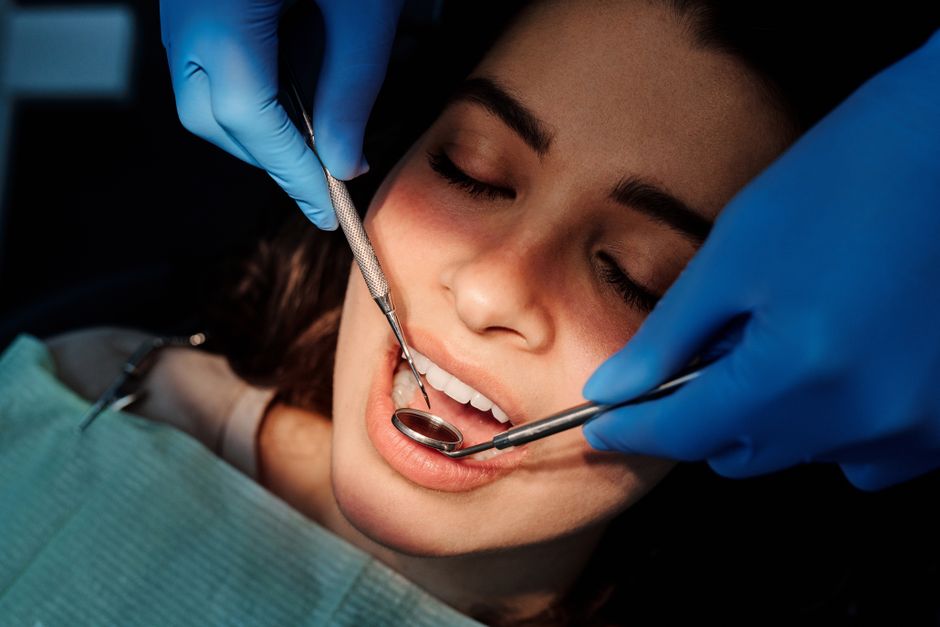
A chipped tooth is one of the most common dental injuries, and it is almost always fixable. The repair method depends on how much tooth structure is lost, whether the inner pulp is exposed, and whether the chip is sharp or causing pain. Minor chips can often be smoothed or bonded in a single dental visit, while larger breaks may need a crown or root canal treatment.
What you should not do is wait weeks to see if it gets better. Enamel does not regrow. A chipped edge leaves the softer dentin underneath exposed, and that layer wears down faster and is more vulnerable to decay. The sooner a dentist assesses it, the more options you have.
What Should You Do Immediately After Chipping a Tooth?
Call a dentist. That is the first step, and it matters more than anything you do at home. A chip that exposes dentin or pulp can become infected, and the risk grows with time.
While you wait for your appointment, a few practical steps can protect the tooth and your mouth:
- Rinse your mouth gently with warm water to clean the area.
- Save any broken pieces. Store them in milk or saliva, not water. A dentist may be able to reattach a large fragment.
- If the edge is sharp, cover it with dental wax (sold in drugstores) or sugar-free chewing gum to keep it from cutting your tongue or cheek.
- Avoid very hot or very cold drinks. Exposed dentin transmits temperature changes directly to the nerve, and the sensation can be intense.
- If there is bleeding, apply gentle pressure with clean gauze.
- Over-the-counter pain relievers can help with discomfort. Follow the label directions.
Do not try to file or sand down a sharp edge yourself. Home filing removes enamel, and enamel does not grow back. You would be trading a small chip for a permanently thinner tooth.
One sign that needs urgent attention: if you see a pink or red spot in the center of the broken area, the pulp may be exposed. That requires prompt care, not a wait-and-see approach. The same is true for spontaneous pain or pain that wakes you at night.
How Does a Dentist Decide Which Repair Method to Use?
The choice comes down to three factors: how much tooth is missing, how deep the break goes, and where the tooth sits in your mouth.
A dentist will typically examine the tooth, check its response to cold or pressure, and take an X-ray. The X-ray shows whether the break extends below the gumline and whether the pulp chamber is involved. That information determines everything that follows.
Shallow chips that only affect enamel usually need the least intervention. Deeper breaks into dentin need more. Breaks that reach the pulp — the tissue containing nerves and blood vessels — require treatment of the pulp itself before the tooth can be restored.
Location matters too. Front teeth take biting forces differently than molars, and appearance matters more in the smile zone. A repair that works well on a back molar might not be the right choice for a front incisor.
How To Repair A Chipped Tooth: The Main Treatment Options
There is no single repair. Each method suits a different size and location of damage, and each has real trade-offs.
Dental Bonding
For small chips, bonding is usually the simplest and least expensive option. The dentist roughens the surface, applies a conditioning agent, then builds up tooth-colored composite resin in layers and hardens it with a special light. The result is shaped and polished to match the surrounding tooth.
Bonding is typically completed in one visit without numbing for shallow chips. Composite resin is not as strong as natural enamel or porcelain, so it can chip or stain over time. It may need touch-ups or replacement, and how long it lasts varies widely depending on the bite and habits like nail-biting or ice-chewing.
Dental Crowns
When a large piece of tooth is missing, or when a previous filling has failed, a crown covers and protects what remains. Crowns are common on back teeth, which take heavy chewing forces.
Crowns usually require two visits. The dentist reshapes the tooth, takes an impression or digital scan, and places a temporary crown. The permanent crown — made of ceramic, porcelain fused to metal, or another material — is cemented at the second visit. Some offices can mill same-day crowns.
Crowns are more durable than bonding but cost more and involve removing some healthy tooth structure to fit the crown over it.
Dental Veneers
A veneer is a thin custom shell bonded to the front of a tooth. Veneers are used mainly for front teeth where appearance matters most, and they can cover a chip while also changing the tooth’s shape or color.
Veneers require removing a small amount of enamel from the front surface. That removal is permanent. Some minimal-prep veneers exist, but not every tooth is a candidate. This is worth discussing carefully with your dentist before committing.
Root Canal and Crown
If the chip reaches the pulp, the tissue inside the tooth can become inflamed or infected. A root canal removes that tissue, disinfects the inside of the tooth, and seals it. The tooth then typically needs a crown for strength, because a tooth that has had a root canal is more prone to fracture.
Symptoms that suggest pulp involvement include lingering pain after hot or cold, spontaneous throbbing, pain when biting, or a visible red or pink spot in the break. Not everyone feels pain, though — sometimes the damage is only visible on an X-ray.
Root canal treatment has a strong record. When done properly and restored with a crown, a treated tooth can last many years. It is not the painful ordeal it is often made out to be; modern local anesthesia makes the procedure itself comfortable for most people.





What Happens If You Leave a Chipped Tooth Untreated?
Small chips sometimes stay stable for years. That is the honest picture. Not every chip is an emergency.
But the risks are real and they compound. Exposed dentin is softer than enamel and wears faster. It also has microscopic tubules that connect to the nerve, which is why chipped teeth often feel sensitive. Bacteria can move through those tubules and into the tooth.
A sharp edge can cut your tongue, cheek, or lip repeatedly. Over time, the crack or chip can extend deeper, especially under chewing pressure. What started as a simple bonding case can become a root canal and crown case.
There is also the cost angle. Bonding is less expensive than a crown, and a crown is less expensive than a root canal plus a crown. Waiting rarely saves money.
Can a Chipped Tooth Heal on Its Own?
No. Enamel has no living cells and cannot regenerate. Once it is gone, it is gone.
Dentin, the layer beneath enamel, has some limited ability to deposit reparative tissue, but that process does not rebuild a broken edge. It is a defensive response, not a repair mechanism you can rely on.
This is why the answer to “how to repair a chipped tooth” always involves a dentist. There is no supplement, toothpaste, or home remedy that regrows enamel. Products marketed for “enamel repair” typically work by depositing minerals onto the surface or masking sensitivity. They do not restore lost structure.
How Can You Prevent Future Chips?
Most chips come from predictable causes, and some are avoidable.
- Do not chew ice, hard candy, popcorn kernels, or pen caps. These are common culprits.
- If you grind or clench your teeth, talk to your dentist about a night guard. Grinding puts repeated stress on the edges of teeth.
- Wear a mouthguard during contact sports and during activities where a fall is possible, like cycling.
- Treat acid reflux and frequent vomiting, which expose teeth to stomach acid and weaken enamel over time.
- Keep up with regular dental visits. Small cracks and worn edges are easier to manage before they break.
If you have had multiple chips, that pattern is worth investigating. It can point to a bite problem, grinding, or enamel that has been weakened by acid or other factors.
Frequently Asked Questions
Can I fix a chipped tooth at home?
No. Enamel cannot regrow, and over-the-counter repair kits only provide temporary cosmetic coverage that is not a substitute for dental treatment. A dentist needs to assess whether the pulp is involved before any repair.
How much does it cost to repair a chipped tooth?
Costs vary widely by region, dentist, and the type of repair, so no single figure applies. Bonding is generally the least expensive option, while crowns and root canals cost substantially more. Your dentist’s office can give you a specific estimate.
Is a chipped tooth a dental emergency?
Not always. A small, painless chip can often wait for a regular appointment. But if you have severe pain, bleeding that will not stop, a visible pink or red spot in the break, or a loose or displaced tooth, seek care promptly.
How long does a bonded chipped tooth last?
There is no fixed lifespan. Composite bonding can last from a few years to considerably longer depending on your bite, habits, and oral care. Avoiding hard foods and nail-biting helps it last longer.
