
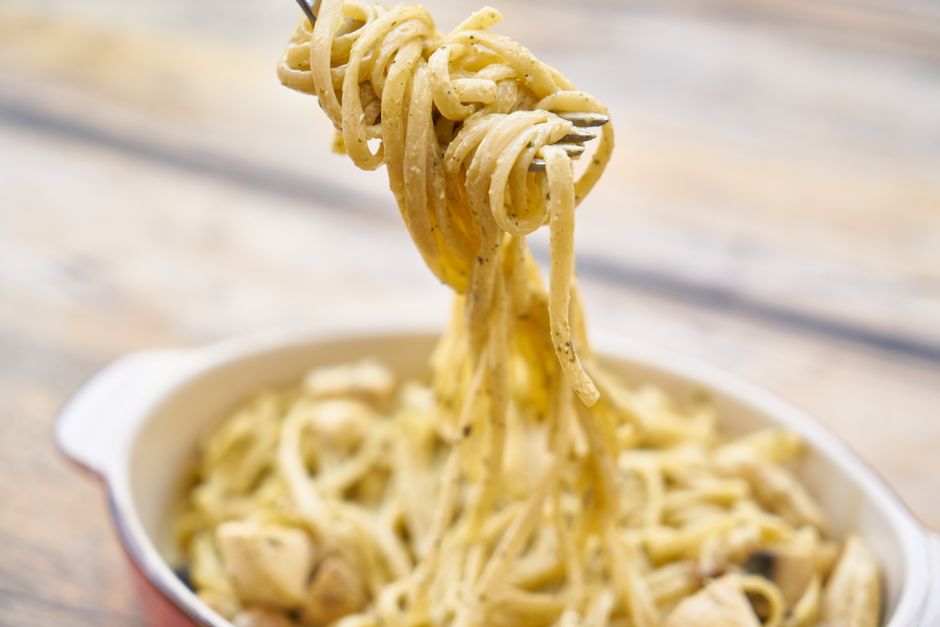
To make pasta softer, cook it longer than the package directions suggest and test it frequently toward the end. For pasta that is already cooked and too firm, return it to boiling water for a few minutes or let it sit in hot sauce. These methods work for dried pasta, fresh pasta, and gluten-free varieties. The key is understanding how starch and water interact during cooking.
What Kind of Pasta Gets Softer?
The type of pasta you start with matters. Dried pasta made from durum wheat semolina needs about 8 to 12 minutes of boiling to become soft. Fresh pasta, which contains eggs, cooks in 2 to 4 minutes and becomes tender much faster. Gluten-free pasta often behaves differently. Some brands stay firm even after the recommended time, while others turn mushy quickly.
Whole wheat pasta and legume-based pasta (chickpea, lentil) also have different starch structures. They may need longer cooking or a gentler simmer to soften without falling apart. If you consistently struggle with hard pasta, check the type you are buying. Some shapes like spaghetti soften more evenly than thick shapes like rigatoni or lasagna sheets.
How To Make Pasta Softer Tips For Every Situation?
For dried pasta that is still firm after the package time, add one to two extra minutes of boiling. Check every 30 seconds with a fork or a bite. Avoid adding cold water to the pot — that slows cooking. For fresh pasta, brief extra boiling usually works, but watch closely because it can go from tender to mushy in 30 seconds.
If you already drained the pasta and it is too hard, put it back in the pot with boiling water for two minutes. Another method: toss the undercooked pasta into the simmering sauce and cook it there for five to ten minutes. The sauce absorbs starches and the pasta softens while picking up flavor.
For gluten-free pasta, do not rinse after draining. The starch left on the surface helps the sauce cling, but more importantly, rinsing removes a layer that would continue softening as the pasta sits. Instead, serve immediately or stir into hot sauce.
Reheating pasta that turned hard in the fridge? Microwave it with a splash of water or milk. Cover the bowl so steam builds up. This rehydrates the surface. For baked pasta dishes like lasagna, cover with foil and add a tablespoon of water before reheating in the oven.
Does Cooking Time Alone Make Pasta Softer?
Cooking time is the main factor, but it is not the only one. The water temperature matters. The water must be at a full rolling boil before you add the pasta. If you add pasta to water that is not hot enough, the outside cooks slowly and the inside stays too firm. The starches do not gelatinize properly.
Water volume also plays a role. Using too little water means the pasta releases starch that makes the water thick, which can cause clumping and uneven cooking. A good rule is at least four quarts of water per pound of pasta. That keeps the temperature stable and allows the pasta to move freely.
Salt affects texture as well. Salt in the water helps the proteins in the pasta set, which can make it feel slightly firmer on the outside. But it does not prevent softening. Unsalted water may produce a softer exterior, but it also makes the pasta taste bland. Salt your water well — about one to two teaspoons per pound.




What Ingredients Affect Pasta Softness?
Oil in the boiling water is a common myth. Adding oil does not soften pasta. It coats the surface and can actually prevent sauce from sticking. Skip the oil unless you are cooking pasta for a cold salad and want to reduce stickiness.
Acidic ingredients like tomato sauce or lemon juice can slow down softening if added too early. If you cook pasta directly in the sauce, the acid can keep the starches from absorbing liquid as efficiently. That is why many recipes call for cooking the pasta separately until almost done, then finishing it in the sauce.
Fat from butter, olive oil, or cream can make pasta feel softer on the tongue because fat coats the starch granules. But this is a mouthfeel effect, not true structural softening. The pasta itself remains at the same firmness.
How To Fix Pasta That Is Too Hard After Cooking?
If you already drained and sauced the pasta but it is still hard, remove the sauce if possible. Put the pasta in a heatproof bowl, cover with plastic wrap, and microwave for one to two minutes with a tablespoon of water. The trapped steam rehydrates the noodles.
For a larger batch, return the pasta to a pot with simmering water for two to three minutes. Drain again and toss with fresh sauce. This works well for most dried pasta shapes. For stuffed pasta like ravioli, boil gently for one minute only — longer and the filling may leak.
If the pasta is in a baked dish like a casserole that turned out too firm, cover it with foil and add a small amount of liquid — broth, water, or extra sauce. Bake at 350°F for 10 to 15 minutes. The heat and steam will soften the pasta throughout.
Can You Make Pasta Softer Without Overcooking It?
Yes, by using a method called the “al dente plus” approach. Cook the pasta one minute short of the recommended time. Then finish cooking it in the sauce for three to five minutes. This way the pasta absorbs sauce and softens gradually without becoming mushy.
Another technique is to let the cooked pasta rest in the hot sauce off the heat for several minutes before serving. The residual heat continues the hydration process. For creamy sauces, the fat in the sauce can also make the texture feel softer.
For gluten-free pasta, soaking before cooking can help. Some brands benefit from a 15-minute soak in warm water before boiling. This reduces cooking time and can produce a more even, tender texture. Check the package instructions — not all brands recommend this.
What About Resting Pasta After Cooking?
Letting pasta sit in its own cooking water for a minute after you turn off the heat can soften it slightly without extra boiling. The starch continues to absorb water as the temperature drops. This is helpful for pasta that needs a bit more tenderness but is already close to done.
Do not leave pasta in water for more than a few minutes, or it will become waterlogged and lose structure. If you are not serving immediately, drain the pasta and toss it with a little olive oil or butter to prevent sticking. Reheat as needed.
Frequently Asked Questions
Why is my pasta still hard after cooking for the recommended time?
The water may not have been boiling hard enough, or you may have added too much pasta for the amount of water.
Can I soften pasta by boiling it again after it cools?
Yes, return it to boiling water for one to two minutes, but expect the texture to be slightly less firm than fresh-cooked.
Does rinsing pasta make it harder?
Rinsing does not harden the pasta, but it removes surface starch that helps sauce cling and slows further softening as the pasta sits.
