
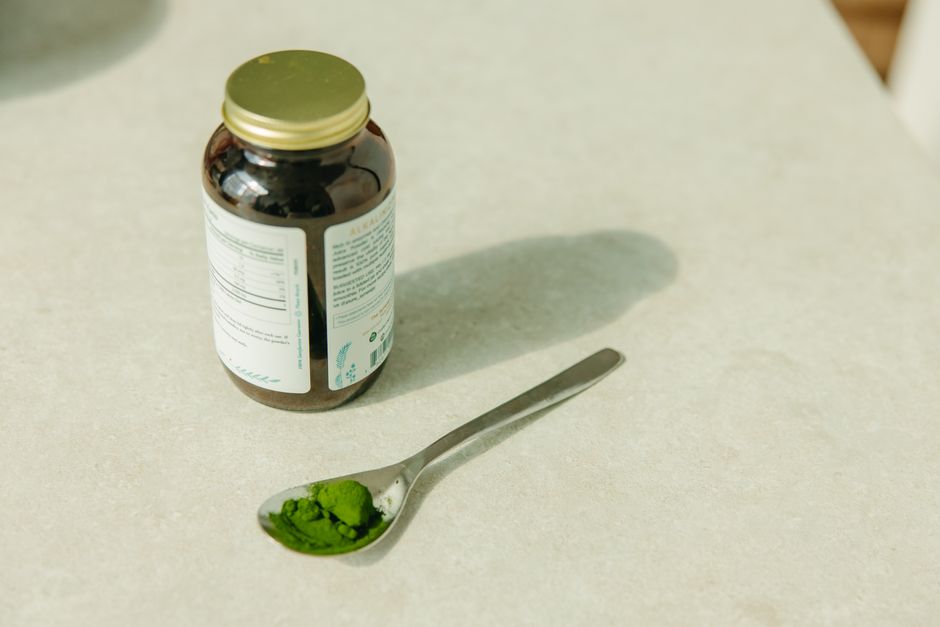
Chlorella is a single-celled green alga sold as a supplement in powder, tablet, and capsule form. For most healthy adults, taking it daily at the amounts used in studies appears to be tolerated, but “safe” is not the same as “risk-free.” The main concerns are contamination, iodine load, immune stimulation, and interactions with medications — and the quality of evidence behind most chlorella claims is thinner than the marketing suggests.
Is It Safe To Take Chlorella Every Day Risks Explained
Daily use is generally tolerated by healthy adults in the short term, based on small clinical studies and a long history of use as a food ingredient in some parts of Asia. That is a modest claim, not a strong one. Most chlorella research involves small numbers of participants and runs for weeks rather than years. No large, long-term trial has established what daily use does to the body over a decade.
Chlorella is a whole-cell organism, not a purified compound. That matters. When you swallow a supplement made from an organism grown in ponds or bioreactors, you are also swallowing whatever that organism absorbed or was contaminated with during production. This is the core of the safety question, and it is why source and testing matter more than the algae itself.
The risks that are actually documented fall into a few categories: contamination, iodine content, immune effects, digestive upset, and drug interactions. Each deserves a closer look.
What Are the Real Risks of Daily Chlorella?
Contamination is the most concrete concern. Algae grown in open ponds can pick up heavy metals, harmful bacteria, or other microbes from the water. Quality manufacturers test for these, but supplements are regulated differently from drugs in the United States. The FDA does not review supplements for safety and effectiveness before they are sold. That places the burden on you to choose products from companies that publish third-party testing results.
Iodine is the second issue. Chlorella contains iodine, and the amount varies widely between products. Iodine is essential for thyroid function, but too much can disrupt the thyroid — both by causing dysfunction in people with underlying thyroid disease and by interfering with thyroid medication. People with Hashimoto’s thyroiditis, Graves’ disease, or anyone taking thyroid hormone should talk to their clinician before using chlorella daily.
Immune stimulation is a subtler point. Some studies suggest chlorella can affect immune markers. For a healthy person this may be harmless or even neutral. For someone with an autoimmune condition or taking immune-suppressing medication, deliberately stimulating the immune system is not obviously wise — and no trial has confirmed it is safe in these groups. The evidence here is limited.
Digestive effects are common and usually mild. Bloating, gas, nausea, and changes in stool are reported. Starting at a lower amount and increasing gradually is common practice, though this is not backed by formal trials.
Can Chlorella Interact With Medications?
Yes, and this is underappreciated. Chlorella is a source of vitamin K, which can affect warfarin and similar blood thinners. People on these medications are usually advised to keep vitamin K intake steady, and adding a chlorella supplement could shift that balance. Anyone on anticoagulation should check with their clinician first.
The high iodine content can interfere with thyroid medication, as noted above. There is also a theoretical concern that chlorella’s immune effects could interact with immunosuppressants, though no human trial has confirmed a specific interaction.
One clarification worth making: “natural” does not mean “no interactions.” Herbal and algal supplements interact with drugs through the same biological pathways as pharmaceuticals. The absence of a warning label does not mean the absence of an effect. If you take prescription medication, treat chlorella as you would any supplement and run it past a pharmacist.





Who Should Avoid Chlorella?
Some groups should be cautious or avoid it entirely.
- People with thyroid disease or taking thyroid medication, because of iodine content.
- People taking blood thinners such as warfarin, because of vitamin K.
- People with autoimmune conditions or on immunosuppressants, because immune effects are not well studied in these groups.
- People with a known allergy to algae or related organisms.
- Pregnant and breastfeeding women, because no clinical guidelines establish a safe dose in these populations.
- Children, for the same reason — no established dosing guidance exists.
The pregnancy and breastfeeding point deserves emphasis. Chlorella is sometimes marketed to these groups, but there is no reliable safety data. No clinical guidelines currently exist for chlorella use during pregnancy or breastfeeding. That is an honest statement of the evidence gap, not a reassurance.
What Does the Research Actually Show About Benefits?
This is where honesty matters most. Chlorella is heavily marketed for detox, immune support, and cholesterol. The evidence behind most of these claims is weak.
Some small studies suggest chlorella may modestly affect cholesterol or markers of oxidative stress. But these are small, often short, and sometimes industry-funded. They do not establish that chlorella prevents disease or improves outcomes that matter to patients. No large human trial has confirmed that daily chlorella reduces heart attacks, infections, or mortality.
Detox claims specifically have no clinical support. The body clears waste through the liver and kidneys. No study has shown that chlorella enhances this in a way that matters clinically. Marketing language around “detox” is not backed by evidence.
Chlorella does contain nutrients — protein, some B vitamins, iron, and vitamin K — but the amounts per serving vary by product and are generally modest compared with food sources. It is a supplement, not a substitute for a balanced diet.
How Do You Choose a Safer Chlorella Product?
Because regulation is light, product choice is the single biggest lever you control. Look for brands that publish third-party test results for heavy metals and microbial contamination. Certifications from independent testing programs are more meaningful than marketing claims on the label.
Check the iodine content if it is disclosed. Many products do not list it, which is itself a reason for caution if you have thyroid concerns. Avoid products with vague sourcing or no testing information.
Store it as directed and check expiration dates. Algae products can degrade over time, and improper storage can allow microbial growth.
What Is a Reasonable Way to Approach Daily Use?
If you are healthy, not pregnant, not on medication, and choose a well-tested product, daily chlorella at the amounts used in studies is generally tolerated in the short term. That is the most the evidence supports. It does not support long-term claims of benefit or guarantees of safety.
If you have any medical condition, take prescription medication, or are pregnant or breastfeeding, talk to a clinician or pharmacist before starting. This is not caution for its own sake — the interaction and iodine issues are real, and the evidence in these groups is genuinely absent.
Watch for digestive upset, changes in thyroid symptoms, or unusual reactions, and stop if something feels off. A supplement that is “generally tolerated” is not the same as one that is right for every person.
Frequently Asked Questions
Is it safe to take chlorella every day?
For most healthy adults, daily use at studied amounts appears to be tolerated in the short term. Long-term safety data is limited, and people with thyroid disease, on blood thinners, or pregnant should check with a clinician first.
Does chlorella affect the thyroid?
Chlorella contains iodine, which can disrupt thyroid function in people with underlying thyroid disease or interfere with thyroid medication. Anyone with a thyroid condition should talk to their clinician before using it.
Can chlorella interact with blood thinners?
Yes, because chlorella contains vitamin K, which can affect warfarin and similar medications. People on anticoagulants should consult their clinician before adding it.
Is chlorella safe during pregnancy?
No clinical guidelines establish a safe dose during pregnancy or breastfeeding, so the evidence does not support routine use in these groups. Pregnant or breastfeeding women should ask their clinician before taking it.
