
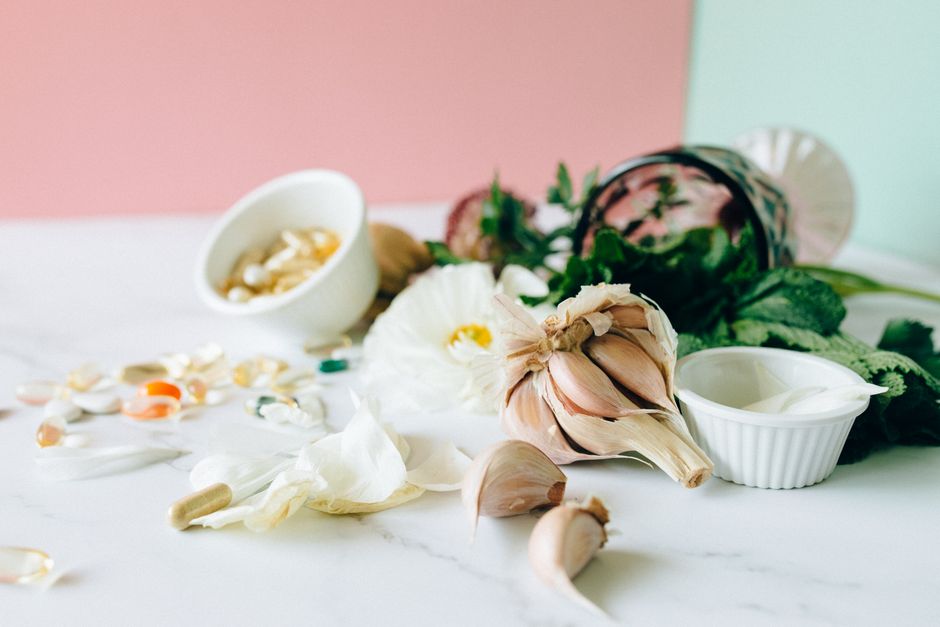
Eating garlic and honey every day gives you two foods with real biological activity — allicin from crushed garlic and a range of plant compounds in honey. It will not cure anything. It may modestly support immune and cardiovascular health, and it carries real risks worth knowing before you make it a habit.
Garlic and honey are among the most studied traditional remedies. Garlic has been examined in clinical trials for blood pressure and cholesterol. Honey has been studied for wound care and cough. The combination is popular online as a daily “immunity” practice. Some of the claims hold up under scrutiny. Many do not. Here is what the research actually shows, and what it does not.
What Happens If You Eat Garlic And Honey Every Day?
You get a small, measurable intake of bioactive plant compounds. You do not get a treatment for any disease. That distinction matters.
Garlic contains alliin. When you crush or chop a clove, an enzyme called alliinase converts alliin into allicin. Allicin is unstable and breaks down quickly, which is why fresh crushed garlic behaves differently from garlic powder or aged garlic extract. Allicin and its breakdown products are thought to be behind much of garlic’s observed effects.
Honey is mostly sugar — glucose and fructose — with small amounts of polyphenols, enzymes, and trace minerals. Its biological activity comes from these minor components, not the sugar. Manuka honey is a specific type from New Zealand with higher levels of a compound called methylglyoxal, which is why it is studied separately for wound care.
Eaten together, you are getting garlic’s sulfur compounds and honey’s polyphenols in one dose. There is no strong evidence that combining them creates a new effect. The benefits, where they exist, come from each food on its own.
Does Garlic Actually Lower Blood Pressure?
The evidence is real but modest. Some clinical trials and reviews suggest garlic preparations can produce small reductions in blood pressure, particularly in people with high blood pressure. The effect is not large enough to replace medication.
Results vary widely by preparation. Aged garlic extract has the most consistent trial support. Raw garlic is harder to study because allicin content varies with how the garlic is handled. Garlic powder supplements have mixed results across trials.
If you take blood pressure medication, talk to your doctor before adding daily garlic. Garlic has mild antiplatelet activity, meaning it can slightly reduce how easily blood clots form. Combined with blood thinners or before surgery, that matters. This is not a theoretical concern — it is a documented interaction.
Does Honey Help With Coughs or Immunity?
Honey has the best evidence for cough. Several studies, including research in children, suggest honey can reduce nighttime cough frequency and improve sleep compared with no treatment. It is not a cure for the underlying infection. It is a symptom soother.
A note on safety: honey should never be given to infants under 12 months. Honey can contain spores of Clostridium botulinum, which can germinate in an infant’s immature gut and cause infant botulism. This is a well-established risk. Older children and adults are not affected by these spores.
The “immunity” claim is weaker. Honey contains antioxidants and has shown some antimicrobial activity in laboratory settings. Whether eating honey daily meaningfully strengthens immune function in healthy adults is not established. No clinical trial has confirmed that.




What About the Combination — Is It Better Than Each Alone?
No strong evidence supports that garlic and honey together do more than either does separately. The pairing is traditional and pleasant. It is not a documented synergy in human trials.
Some laboratory studies have looked at honey-garlic mixtures and found antimicrobial activity. Lab results do not automatically translate to effects inside the human body, where digestion, dilution, and absorption change everything. This is a common gap in supplement marketing — a petri dish result is not a clinical outcome.
If you enjoy the taste and want the modest benefits each food may offer, eating them together is fine. Just do not expect a combined effect that research has not shown.
Are There Risks to Eating This Every Day?
Yes, and they are worth taking seriously.
- Blood sugar. Honey is sugar. A tablespoon contains roughly 17 grams of carbohydrate, mostly sugars. Daily honey adds up, which matters if you have diabetes or prediabetes. It is not a low-sugar food.
- Bleeding risk. Garlic’s antiplatelet effect can add to blood-thinning medications. Stop daily garlic at least a week or two before scheduled surgery, and confirm timing with your surgeon.
- Digestive upset. Raw garlic can cause heartburn, bloating, and stomach discomfort, especially on an empty stomach. Honey in quantity can do the same.
- Garlic allergy. Rare but real. It can cause skin reactions or, in sensitive people, more serious symptoms.
- Calories. Honey is calorie-dense. A daily habit can quietly add several hundred calories a week.
None of these are reasons to avoid garlic and honey entirely. They are reasons to be deliberate about amounts and to check with a clinician if you take medication or manage a chronic condition.
How Much Should You Eat, and Does Preparation Matter?
There is no official recommended daily amount of garlic and honey as a combination. No health authority has set a standard dose, because the combination has not been established as a treatment.
For garlic, research trials have used a range of preparations and amounts, and no single dose is agreed upon. A common approach in studies is roughly one clove of fresh garlic daily, though this varies by trial and preparation. For honey, general dietary guidance treats it as an added sugar, which most adults are advised to limit.
Preparation does affect garlic’s chemistry. Crushing or chopping garlic and letting it sit for about 10 minutes before eating allows alliinase to produce allicin before heat or acid interferes. Cooking garlic soon after chopping reduces allicin formation. This is established food chemistry, not a marketing claim.
Honey should not be heated aggressively if you want to preserve its enzymes and some polyphenols, though the practical health difference is small. Raw and regular honey are nutritionally similar apart from processing differences.
The Bottom Line
Eating garlic and honey daily is a low-cost habit with modest potential benefits and a few real cautions. Garlic has some trial support for small blood pressure effects. Honey has decent evidence for soothing coughs. Neither is a treatment for disease, and the combination has no proven added benefit.
If you take blood thinners, have diabetes, or are scheduled for surgery, talk to your doctor first. Otherwise, enjoy it as food — not as medicine.
Frequently Asked Questions
Is eating raw garlic with honey every morning safe?
For most healthy adults it is safe in small amounts, such as one crushed clove with a teaspoon of honey. People on blood thinners or with diabetes should check with their doctor first because of bleeding and blood sugar considerations.
Can garlic and honey cure infections?
No. There is no clinical evidence that garlic and honey cure bacterial or viral infections. Honey may soothe a cough, but it does not treat the underlying cause, and serious infections need medical care.
Does honey lose its benefits if mixed with garlic?
There is no strong evidence that mixing them cancels out either food’s activity. The more relevant factor is that no human trial has shown the combination works better than each food alone.
Can I give garlic and honey to my child?
Do not give honey to any child under 12 months because of the risk of infant botulism. For older children, ask a pediatrician before starting daily garlic or honey, since doses for children are not established.
