
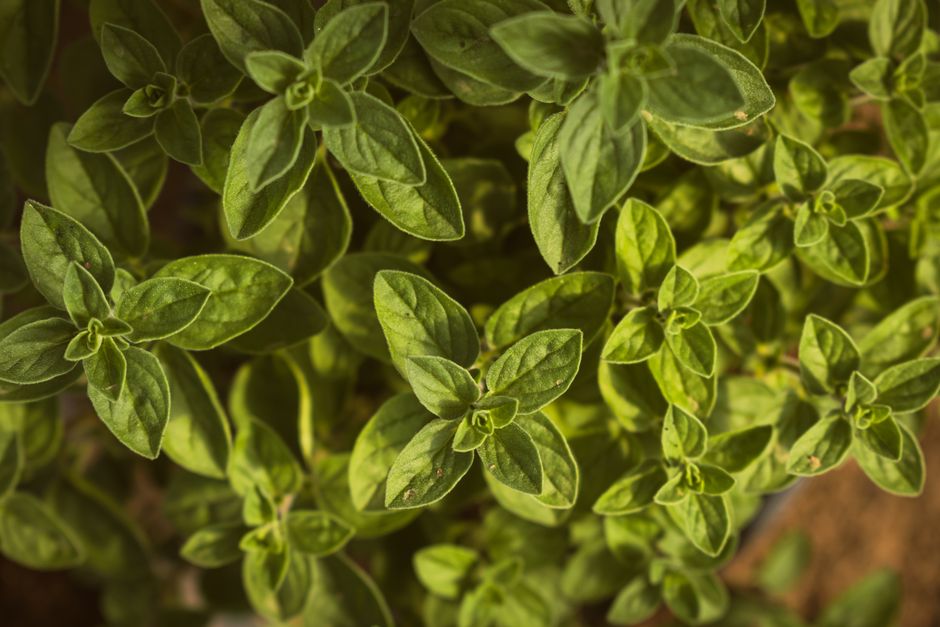
Making oil of oregano at home is surprisingly simple with just two ingredients and about 30 minutes of active time. You need dried oregano leaves and a carrier oil like olive or jojoba oil. The process involves infusing the oil with the oregano’s active compounds through gentle heat over several hours.
What Exactly Is Oil of Oregano and Why Make It at Home?
Oil of oregano is not the same as oregano essential oil sold in small dark bottles. The homemade version is an infused oil. You steep dried oregano leaves in a carrier oil to pull out the beneficial compounds. The result is much milder than essential oil and safe to use on skin or take internally in small amounts.
The key active compound in oregano is carvacrol. Research published in the journal Phytochemistry found carvacrol makes up 60 to 80 percent of oregano’s antimicrobial power. Thymol is another important compound. Both are fat-soluble meaning they dissolve in oil not water. That is why oil infusion works better than tea for extracting these compounds.
Store-bought oregano essential oil is highly concentrated. A single drop can irritate skin or mucous membranes. Homemade infused oil gives you control over strength. You know exactly what went into it. No additives no preservatives no mystery ingredients.
Many people report using homemade oil of oregano for immune support during cold season. Some use it on minor skin issues. Strong clinical evidence for most of these uses is limited. What we do know from lab studies is that carvacrol and thymol have antibacterial and antifungal properties in test tubes. Whether that translates reliably to human use depends on many factors including concentration and how you use it.
How To Make Oil Of Oregano Recipe: Step by Step
You need dried oregano leaves. Fresh oregano contains water which can cause mold growth in the oil. Use organic dried oregano if possible. Pesticide residues can concentrate in oils.
Choose your carrier oil carefully. Extra virgin olive oil is traditional and has its own antioxidant benefits. Jojoba oil has a longer shelf life. Almond oil and grapeseed oil work too. Avoid vegetable oils high in polyunsaturated fats as they go rancid faster.
Here is what you need:
The slow method takes 4 to 6 weeks but preserves more delicate compounds. The fast method uses gentle heat and takes 3 to 4 hours. Both work. The slow method produces a slightly stronger oil because the compounds have more time to transfer.
For the fast method: Place the crushed oregano in a clean dry glass jar. Warm the carrier oil in a saucepan over low heat until it reaches about 100 degrees Fahrenheit. Do not let it get hot. Pour the warm oil over the oregano leaves. Stir gently. Seal the jar and place it in a warm spot like a sunny windowsill or near a warm oven. Shake the jar once daily. After 3 to 4 hours the oil should be fragrant and slightly green.
For the slow method: Follow the same steps but let the jar sit in a dark cabinet for 4 to 6 weeks. Shake it every few days. This method is gentler and some herbalists prefer it.
After infusion strain the oil through a fine mesh strainer lined with cheesecloth. Press the leaves to extract all the oil. Store in a dark glass bottle away from light and heat. Refrigeration extends shelf life to about six months.
What Does Research on Homemade Oregano Oil Show?
Laboratory studies consistently show that oregano oil kills bacteria and fungi. A 2019 study in the journal Frontiers in Microbiology found oregano oil effective against several antibiotic-resistant bacteria strains. The compounds carvacrol and thymol disrupt bacterial cell membranes.
But lab studies use concentrated essential oil not homemade infusions. Your homemade version will be much weaker. That does not mean it is useless. It means you should be realistic about what it can do.
Some small human studies suggest oregano oil may help with gut health. A 2012 study in the Journal of Medicinal Food found that oregano oil capsules reduced intestinal parasites in 23 people. Another study found it helpful for small intestinal bacterial overgrowth or SIBO.
The National Center for Complementary and Integrative Health notes that evidence for oregano oil is limited. Most studies are small. Many use specific commercial preparations not homemade versions. This does not mean homemade oil is worthless. It means we lack strong proof for most claims.
What we can say with confidence is that oregano oil has antimicrobial properties in laboratory settings. How well that translates to your homemade infusion depends on the oregano quality infusion time and how you use it.





How to Use Homemade Oregano Oil Safely
Homemade infused oregano oil is safe for most adults when used properly. Start with a small amount to test for allergic reaction. Place one drop on your inner wrist and wait 24 hours.
For internal use the typical dose is 2 to 3 drops under the tongue or in a glass of water up to three times daily. Do not take more. More is not better with oregano oil. High doses can irritate the stomach lining and cause nausea.
For topical use apply a few drops to the affected area. You can also mix it with a carrier oil for larger areas. Do not apply to broken skin or open wounds. The oil can sting.
Do not use oregano oil if you are pregnant or breastfeeding. The American Pregnancy Association advises against oregano oil during pregnancy because it may stimulate uterine contractions. People with bleeding disorders or upcoming surgery should avoid it because oregano oil may slow blood clotting. Stop use two weeks before any scheduled surgery.
Children under 12 should not take oregano oil internally. For older children consult a pediatrician first. The dosing is different and the risks are not well studied in children.
Common Misconceptions About Oregano Oil
Many people confuse oregano essential oil with infused oregano oil. They are not interchangeable. Essential oil is steam distilled and extremely concentrated. A single drop of oregano essential oil is roughly equivalent to a teaspoon of dried oregano. Using essential oil internally requires careful dilution and professional guidance.
Another common belief is that oregano oil can replace antibiotics. This is not supported by evidence. While oregano oil has antimicrobial properties it has not been proven to treat serious bacterial infections. If you have a confirmed bacterial infection follow your doctor’s advice. Oregano oil might be a supportive measure but not a replacement.
Some people think all oregano is the same for making oil. It is not. The species Origanum vulgare is common in stores but has lower carvacrol content. Origanum compactum and Origanum onites have higher levels. If you can find Greek oregano it tends to be more potent. Mexican oregano is a different plant entirely and does not have the same compounds.
There is also confusion about shelf life. Homemade oregano oil without preservatives lasts about six months refrigerated. You will know it has gone bad if it smells rancid or develops mold. Always check before using.
| Type | Carvacrol Content | Best For |
|---|---|---|
| Origanum vulgare (common oregano) | Low to moderate | Cooking and mild infusions |
| Origanum compactum | High | Medicinal use |
| Origanum onites (Greek oregano) | Very high | Strongest homemade oil |
| Mexican oregano | Different compounds | Cooking only |
What to Avoid When Making or Using Oregano Oil
Do not use fresh oregano. The water content promotes bacterial and mold growth in the oil. Always dry the oregano completely before starting. You can buy dried oregano or dry your own by hanging bundles upside down in a dark dry place for two weeks.
Do not heat the oil above 120 degrees Fahrenheit. High heat destroys the volatile compounds that give oregano oil its benefits. The oil should feel warm to the touch but not hot. If you cannot comfortably hold your finger in the oil it is too hot.
Do not store oregano oil in plastic containers. The active compounds can leach chemicals from plastic. Use dark glass bottles only. Amber or cobalt blue glass protects the oil from light damage.
Do not take oregano oil for more than two weeks continuously without a break. Long-term use can disrupt gut bacteria balance. Take a week off before starting another course.
Avoid using oregano oil if you take blood thinners like warfarin. Oregano oil may increase the effects of these medications. Talk to your doctor before combining them.
Do not give oregano oil to infants or very young children. Their digestive systems are not ready for the strong compounds. Even diluted oil can cause irritation.
Frequently Asked Questions
Can I use fresh oregano instead of dried?
No. Fresh oregano contains water that can cause mold growth in the oil. Always use completely dried oregano leaves.
How long does homemade oregano oil last?
Stored in a dark glass bottle in the refrigerator it lasts about six months. Discard if you see mold or smell rancid oil.
Can I take homemade oregano oil every day?
It is not recommended for daily long-term use. Take it for up to two weeks then take a week break before continuing.
Is homemade oregano oil as strong as store-bought essential oil?
No. Homemade infused oil is much milder and safer for most uses. Essential oil is highly concentrated and requires careful dilution.
