
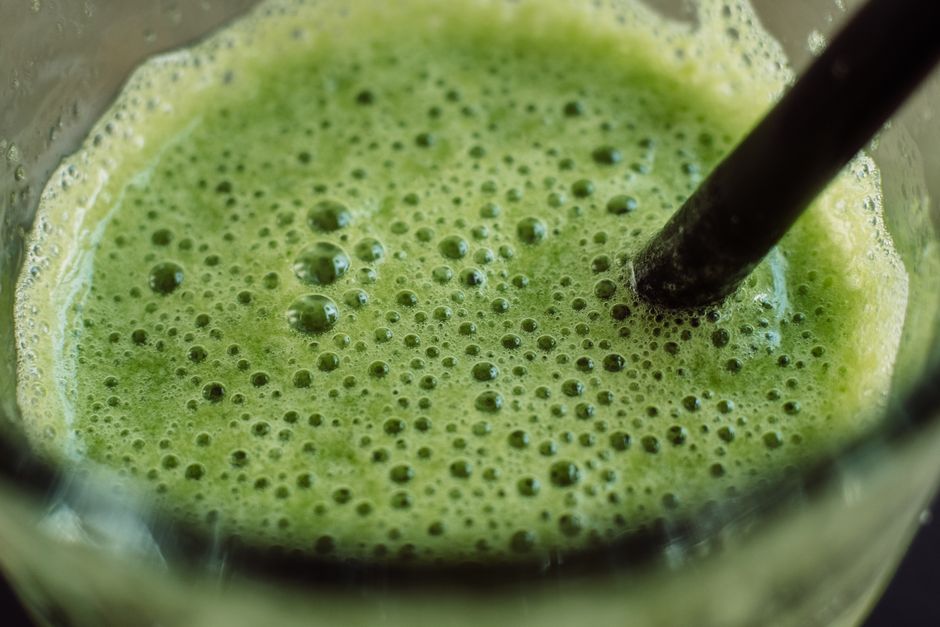
Noni juice comes from the fruit of Morinda citrifolia, a small evergreen tree that grows throughout Polynesia, Southeast Asia, and parts of the Caribbean. To make it, ripe noni fruit is either packed into a sealed container and left to ferment for weeks, or blended fresh and strained into a drinkable liquid. Both methods produce a strong-smelling, bitter juice, and neither one has been proven in large human trials to treat or prevent any disease.
How To Make Noni Juice Fermented Or Blended
The two traditional methods differ mainly in time and microbial activity. Fermentation relies on naturally present yeasts and bacteria to break down the fruit over several weeks. Blending skips that step and produces juice in minutes.
Fermented method: Rinse ripe, soft noni fruit and place whole fruit into a clean glass jar with a tight lid. Traditional Pacific Island practice leaves the fruit to sit at room temperature, often in sunlight, until it softens into a dark liquid. This typically takes anywhere from two weeks to several months depending on climate. The fruit is then pressed and the liquid strained. Some recipes add a small amount of sugar or previous batch liquid as a starter, though this is not part of every tradition.
Blended method: Wash ripe fruit, cut it into pieces, and blend with water in roughly a 1:1 ratio by volume. Strain the pulp through a fine mesh or cheesecloth and refrigerate the liquid. This produces a fresher-tasting juice that spoils faster than the fermented version.
Both approaches yield a juice that most people find intensely bitter and pungent. The smell is often described as resembling spoiled cheese, which is why commercial producers usually blend noni with other fruit juices.
What Happens During Noni Fermentation?
Fermentation is a microbial process. Wild yeasts and lactic acid bacteria naturally present on the fruit surface consume sugars and produce acids, alcohol, and carbon dioxide. This lowers the pH of the mixture and helps preserve it.
The same process happens in sauerkraut, kimchi, and traditional fruit wines. In noni, the fermentation also softens the fruit’s tough flesh and releases liquid that would otherwise stay trapped in the pulp.
One point worth clarifying: fermentation does not concentrate noni’s active compounds or make them more potent. It changes the chemical profile of the juice, but no human study has shown that fermented noni works better than blended noni for any health outcome. The choice between the two is mostly about tradition, taste, and shelf life.
Does Noni Juice Have Proven Health Benefits?
No large, well-designed human trial has confirmed that noni juice treats or prevents any specific disease. This is the honest state of the evidence.
Noni fruit contains several bioactive compounds, including iridoids, flavonoids, and a compound called damnacanthal. Laboratory studies have shown antioxidant and anti-inflammatory activity in cells and animals. That is not the same as clinical benefit in people.
Small human studies have looked at noni juice for exercise recovery, immune markers, and cholesterol. Most were short, involved few participants, and have not been replicated in larger trials. Some research suggests modest antioxidant effects in healthy adults, but the findings are not strong enough to support a medical claim.
Marketing language around noni often outpaces the science. Claims that it “boosts the immune system,” “detoxifies the body,” or “fights cancer” are not supported by clinical evidence. The National Center for Complementary and Integrative Health, part of the National Institutes of Health, has reviewed noni and found insufficient evidence to recommend it for any health condition.



Is Noni Juice Safe?
For most healthy adults, drinking noni juice in food amounts appears to be tolerated. The more important question is whether it is safe for everyone, and the answer is no.
- Liver concerns: A small number of case reports have linked noni juice to liver injury. The evidence is not conclusive, and some cases involved other supplements or alcohol. Still, people with existing liver disease or those taking medications processed by the liver should be cautious.
- Potassium: Noni is high in potassium. People with kidney disease or those taking potassium-sparing diuretics may need to avoid it.
- Blood thinners: Noni may interact with warfarin and other anticoagulants. Anyone on these medications should talk to their doctor before drinking it.
- Pregnancy and breastfeeding: No clinical guidelines exist for noni use during pregnancy or breastfeeding. Traditional use in some Pacific cultures does not substitute for safety data. Avoid it in these situations unless a clinician says otherwise.
The bottom line: noni juice is not a harmless “natural” drink for everyone. If you take prescription medication, have liver or kidney problems, or are pregnant, treat it as a supplement with real potential for interaction, not as a fruit juice.
Why Does Noni Juice Smell and Taste So Bad?
The smell comes from caproic and caprylic acids, the same compounds responsible for the sharp odor of aged cheese and rancid butter. These fatty acids form as the fruit ripens and breaks down.
Bitterness comes largely from iridoids, a class of compounds the plant produces as a defense against insects and microbes. The longer the fruit ferments, the more pronounced both the smell and the bitterness tend to become.
Commercial noni juices often blend in grape, blueberry, or apple juice to mask the flavor. That is a formulation choice, not a sign that the noni has been “improved.”
How Should You Store Homemade Noni Juice?
Fermented noni juice is more shelf-stable than blended juice because of its lower pH, but it is not sterile. Store it in a sealed glass container in a cool, dark place or in the refrigerator.
Blended noni juice should be refrigerated and used within a few days. It has no preservatives and will spoil. Signs of spoilage include visible mold, an off smell beyond the usual pungency, and a fizzy or slimy texture.
If you make noni juice at home, use clean equipment, ripe but not rotting fruit, and food-grade containers. Do not ferment in plastic that is not rated for food use, and do not seal a fermenting jar so tightly that pressure cannot escape.
Should You Drink Noni Juice?
That depends on why you want to. If you enjoy the taste or follow a cultural tradition, drinking it in moderation is a personal choice. If you are hoping it will treat a medical condition, the evidence does not support that hope.
No clinical guideline from any major health organization recommends noni juice for any condition. That is not a criticism of the fruit itself. It reflects the fact that the research simply has not been done at the scale needed to make those recommendations.
If you take prescription medication or have a chronic health condition, talk to your doctor before adding noni juice to your routine. Bring the actual product label so they can check for interactions.
Frequently Asked Questions
How long does noni juice need to ferment?
Traditional fermentation typically takes two weeks to several months, depending on temperature and climate. There is no single standard time, and longer fermentation does not make the juice more medically effective.
Can you drink noni juice raw without fermenting it?
Yes, blended noni juice is drinkable without fermentation. It should be refrigerated and consumed within a few days because it spoils quickly.
Does fermented noni juice have more health benefits than blended?
No human study has shown that fermented noni juice works better than blended juice for any health outcome. The difference is mainly taste and shelf life.
Who should not drink noni juice?
People with liver or kidney disease, those taking blood thinners, and women who are pregnant or breastfeeding should avoid noni juice unless a doctor approves it. No clinical guidelines exist for its use in pregnancy or breastfeeding.
