
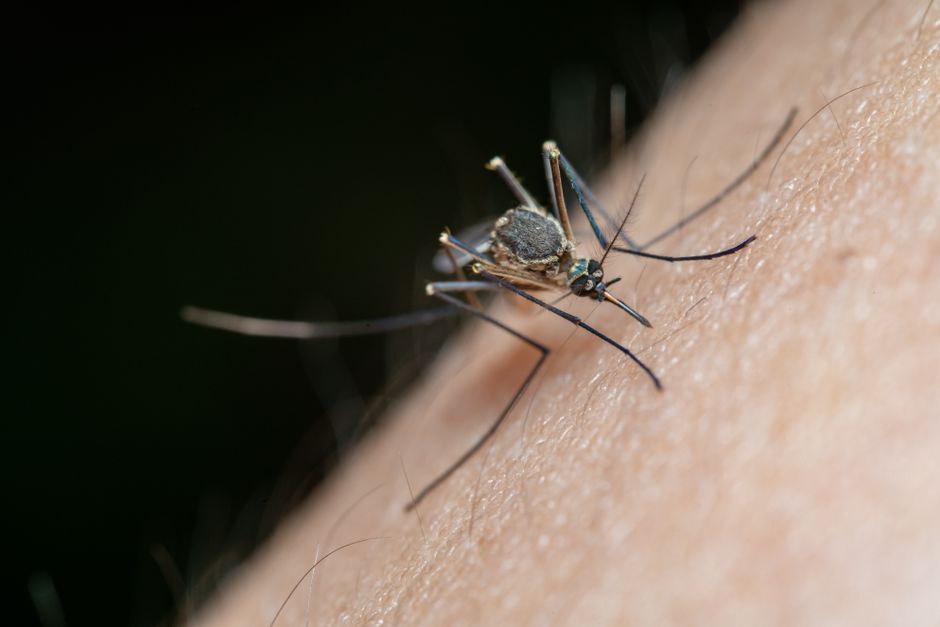
Mosquito bites itch because your body reacts to the mosquito’s saliva with a mild immune response. The itch comes from histamine, a chemical your immune system releases to fight the foreign substance. To stop the itch fast, apply a cold pack or ice wrapped in a cloth for 10 minutes. Then use a topical antihistamine like diphenhydramine (Benadryl cream) or calamine lotion. For stubborn bites, a low-dose hydrocortisone cream works by reducing inflammation directly. Avoid scratching — it breaks the skin and can lead to infection. That is the short answer. The rest of this guide explains why these work, what the research says, and what to skip.
What Causes the Itch from Mosquito Bites?
When a mosquito bites you, it pierces your skin and injects saliva. That saliva contains proteins and anticoagulants so the mosquito can feed without your blood clotting. Your immune system recognizes these proteins as foreign invaders. It releases histamine, which causes blood vessels to widen and fluid to leak into the surrounding tissue. That creates a small, red, swollen bump — and the itch.
Not everyone reacts the same way. Some people barely notice bites. Others get large, hot, swollen welts. Children and people who have not been bitten often tend to react more strongly. Over time, repeated exposure can desensitize your immune system, which is why adults in mosquito-heavy areas sometimes itch less than tourists.
The itch itself is a signal. It tells you something is there. But scratching triggers more histamine release, which makes the itch worse. This creates a feedback loop. Breaking that loop early is the key to stopping the itch.
What Actually Works According to Evidence?
Research supports three main approaches for stopping mosquito bite itch: cold, antihistamines, and anti-inflammatory creams. Each works through a different mechanism. Cold numbs the nerve endings and reduces blood flow to the area. Topical antihistamines block histamine at the skin level. Hydrocortisone suppresses the broader inflammatory response.
A study published in the Journal of the American Academy of Dermatology found that topical antihistamines and corticosteroids are the most effective treatments for insect bite reactions. Cold compresses provide immediate but temporary relief. Oral antihistamines like cetirizine (Zyrtec) or loratadine (Claritin) can help if you have many bites or a strong reaction. They work systemically, meaning they reduce histamine throughout your whole body.
One non-obvious point: timing matters. Applying a cold pack right after you notice the bite can prevent the reaction from fully developing. If you wait an hour, the histamine cascade is already underway. Cold still helps, but it is less effective at that point.
How to Make Mosquito Bites Stop Itching — Step by Step
| Step | Action | Why It Works |
|---|---|---|
| 1 | Clean the bite with soap and water | Removes bacteria and reduces infection risk |
| 2 | Apply a cold pack or ice wrapped in cloth for 10 minutes | Numbs nerves and constricts blood vessels |
| 3 | Rub on a topical antihistamine cream (diphenhydramine) | Blocks histamine at the skin level |
| 4 | If itching continues, switch to 1% hydrocortisone cream | Reduces inflammation directly |
| 5 | Cover with a bandage if you cannot stop scratching | Physical barrier prevents skin damage |
This sequence is based on how the immune response unfolds over time. Cold works fastest. Antihistamine cream works best in the first few hours. Hydrocortisone is better for bites that have already become inflamed and itchy for a day or more. If you have many bites, an oral antihistamine taken before bed can help you sleep without scratching.
Do not use all three treatments at once. Start with cold. If that is not enough, add the antihistamine cream. If the bite is still bothering you the next day, switch to hydrocortisone. Overlapping treatments can irritate the skin.




What Does Not Work and What to Avoid
Many home remedies for mosquito bites have little to no evidence behind them. Heat from a hair dryer or hot spoon is one example. Some people report temporary relief from heat, but the effect is short-lived and can burn your skin. A 2016 study in the Journal of the European Academy of Dermatology and Venereology found that concentrated heat did not reduce itch significantly compared to placebo.
Toothpaste is another commonly suggested remedy. The idea is that mint or baking soda in toothpaste might cool or dry the bite. There is no clinical evidence that toothpaste works better than a cold pack. It can also irritate sensitive skin, especially if left on for hours.
Vinegar, baking soda paste, lemon juice, and essential oils like tea tree or lavender are widely promoted online. Strong evidence is lacking for all of them. Some essential oils can cause contact dermatitis, especially on skin that is already inflamed. The American Academy of Dermatology recommends sticking with cold compresses, antihistamines, and hydrocortisone.
Scratching is the one thing everyone should avoid. It damages the skin barrier, introduces bacteria from under your fingernails, and triggers more histamine release. The result is a cycle of worsening itch and potential infection. If you are scratching in your sleep, trim your nails short and cover the bite with a bandage.
When Should You See a Doctor?
Most mosquito bites are harmless and resolve on their own within a few days. But some reactions require medical attention. If the bite area becomes hot, red, swollen, and starts oozing pus, you may have a bacterial infection. This is called cellulitis. It requires antibiotics.
Signs of a severe allergic reaction include hives far from the bite site, difficulty breathing, swelling of the lips or throat, dizziness, or a rapid heartbeat. This is rare but can happen. If you experience any of these symptoms, seek emergency care immediately.
Skeeter syndrome is a less common but real condition. It causes large, red, swollen, and painful lesions after mosquito bites. The reaction is more intense than a normal bite but not life-threatening. People with skeeter syndrome often benefit from oral antihistamines taken preventively during mosquito season. The CDC notes that some people with immune disorders or frequent exposure to new mosquito species may have stronger reactions.
If a bite does not heal after two weeks or keeps coming back in the same spot, see a dermatologist. It could be something else entirely, like a skin infection or an insect bite that has become chronic.
Common Misconceptions About Mosquito Bite Relief
One widespread myth is that rubbing alcohol or hand sanitizer stops the itch. Alcohol evaporates quickly and creates a cooling sensation, but it does not block histamine or reduce inflammation. It can also dry out your skin and make the area more irritated. Save alcohol for cleaning the bite, not treating the itch.
Another misconception is that you can “scratch the itch away” by pressing hard on the bite or using a blunt object. This is called counter-irritation. It may feel good for a moment, but it does not address the underlying immune response. You are just trading one type of discomfort for another. The itch will return once the pressure stops.
Some people believe that eating garlic or taking vitamin B supplements prevents mosquito bites or reduces itch. The evidence does not support this. A 2005 study in the Journal of the American Mosquito Control Association found no difference in mosquito attraction between people who took garlic supplements and those who did not. The same is true for vitamin B. The idea that these foods change your body odor enough to repel mosquitoes is not backed by science.
Finally, do not assume that a “natural” remedy is safer than a drugstore one. Poison ivy, stinging nettle, and certain essential oils can cause skin reactions that are worse than the original bite. The word “natural” has no regulatory meaning. Stick with treatments that have been tested and shown to work.
Frequently Asked Questions
How long do mosquito bites itch?
Most mosquito bites itch for 3 to 5 days. The intensity usually peaks within the first 24 hours and then fades.
Can you use Benadryl cream and hydrocortisone together?
No, do not apply both at the same time. Use one at a time based on how long the bite has been there. Antihistamine cream first, then hydrocortisone if needed later.
Does toothpaste really stop mosquito bite itch?
There is no clinical evidence that toothpaste works. It may provide a cooling sensation but can also irritate your skin. A cold pack is a safer and more effective alternative.
What is the fastest way to stop a mosquito bite from itching?
Apply a cold pack or ice wrapped in a cloth for 10 minutes. This numbs the area quickly and reduces blood flow to the bite. Follow with a topical antihistamine cream for longer relief.
