
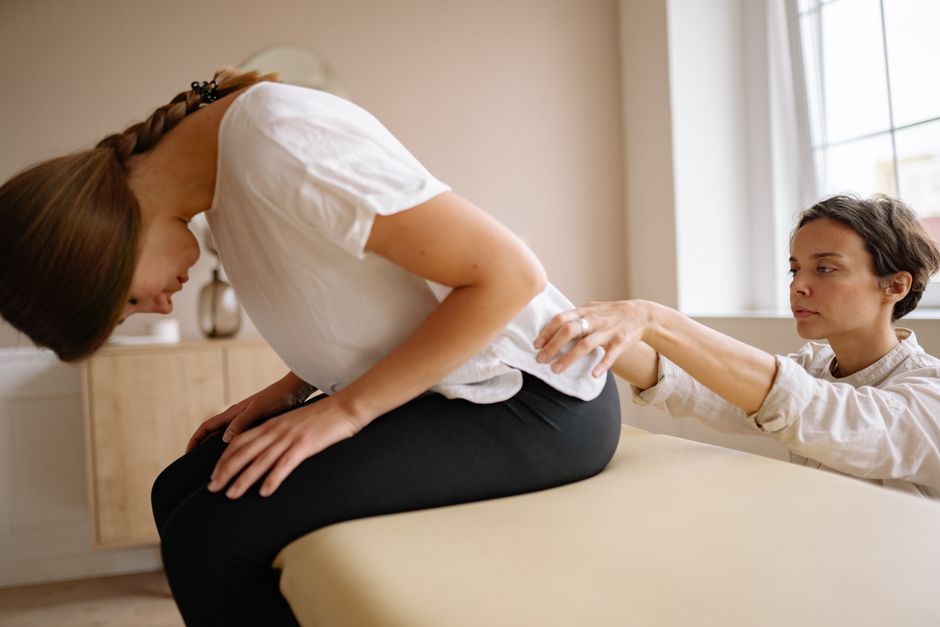
Most lower back pain gets better on its own, and the steps that help most are surprisingly simple: keep moving, avoid bed rest, use heat or over-the-counter pain relief if you need it, and give it a few weeks. That is the honest short answer to how to make lower back pain go away. The catch is knowing which pain is ordinary and which needs a doctor — and that is where most people get stuck.
Why Does My Lower Back Hurt So Much?
Your lower back carries most of your upper body weight and does most of the bending, twisting, and lifting you do all day. That makes it vulnerable. But pain does not always mean damage.
Most short-term lower back pain — doctors call it acute — comes from strained muscles or ligaments, a minor injury to a spinal disc, or simple wear on the joints and discs of the spine. In many cases, imaging finds nothing clearly wrong. That can be frustrating, but it is also reassuring. The pain is real even when a scan looks normal.
Pain signals from the back are complex. Nerves, muscles, and the brain’s own pain processing all play a role. This is part of why two people with similar scans can feel very different levels of pain.
Less often, lower back pain has a specific cause:
- A herniated disc pressing on a nerve, which can send pain down the leg
- Spinal stenosis, a narrowing of the spinal canal that is more common with age
- Osteoarthritis of the spine
- A compression fracture, especially in older adults with weaker bones
- Rare but serious causes like infection, cancer, or cauda equina syndrome
Knowing the difference matters. Ordinary mechanical back pain responds to movement and time. Some causes need medical treatment, and a few need urgent care.
What Are the Red Flags That Mean See a Doctor Now?
Some back pain needs medical attention right away, not home care. These warning signs are well established in clinical practice, and they are worth knowing by heart.
Get urgent medical care if you have:
- Loss of bladder or bowel control
- Numbness or weakness in both legs
- Numbness around the groin or inner thighs
- Severe pain after a fall or accident
- Back pain with fever, chills, or unexplained weight loss
- Pain that is worse at night or when lying down and does not ease with rest
- A history of cancer
- New back pain in someone with osteoporosis or long-term steroid use
The combination of lost bladder or bowel control plus numbness in the groin area can signal cauda equina syndrome. This is a rare but serious condition that needs emergency treatment. Do not wait to see if it improves.
Most people with lower back pain do not have any of these signs. If you do, treat it as a reason to call a doctor or go to an emergency room, not a reason to worry quietly at home.
What Actually Helps Make Lower Back Pain Go Away?
The single most useful thing you can do is stay active. This runs against instinct, because pain makes you want to lie still. But for ordinary acute back pain, rest beyond a day or two tends to make things worse, not better.
Here is what the evidence supports:
- Keep moving. Gentle walking, light daily activity, and avoiding prolonged bed rest help most people recover faster.
- Use heat. Heat wraps or a warm shower can relax muscles and ease pain. Some people find cold packs help more in the first day or two.
- Try over-the-counter pain relievers. Acetaminophen or nonsteroidal anti-inflammatory drugs like ibuprofen can reduce pain enough to keep moving. Follow the label and check with a doctor if you have stomach, kidney, or heart conditions.
- Return to normal activity gradually. You do not need to be pain-free to start moving again.
What does not help much: staying in bed for days, avoiding all movement out of fear, and waiting for the pain to disappear before you do anything.
For pain that lasts longer than a few weeks, physical therapy and structured exercise programs have the strongest support. The specific type of exercise matters less than doing it consistently.
-
 How to Relieve Upper Back Pain Fast? Easy Steps to Follow
 -
How to Tell Kidney Pain from Back Pain? Easy Steps to Follow
-
How to Know If Back Pain is Serious? Easy Steps to Follow
-
What Can Help Back Pain in Lower Back? Here’s What to Know
-
Joint Vive Reviews And Complaints 2026: Consumer Reports & Ratings





Does Stretching and Exercise Really Work?
Exercise helps, but not because any single stretch fixes your spine. Movement improves blood flow, strengthens the muscles that support your back, and reduces the fear of movement that keeps pain going.
For acute pain, gentle activity is enough. For pain that has lasted more than a few weeks, a structured program works better. Research consistently shows that exercise therapy reduces pain and improves function for chronic low back pain, though the effect is modest and not everyone responds the same way.
A few approaches with reasonable support:
- Walking, which is low-impact and easy to start
- Core strengthening, which supports the spine
- Yoga and tai chi, which combine movement, stretching, and breathing
- McKenzie exercises, a set of movements some people with disc-related pain find helpful
One clarification worth making: there is no evidence that a specific stretch “puts a disc back in place.” Discs do not slip in and out like that. What stretching can do is reduce muscle tension and improve how you move.
When Should I Consider Other Treatments?
Most people do not need injections, surgery, or prescription medication. Those options are for specific situations, and they come with real trade-offs.
Physical therapy is often the next step when home care is not enough. A therapist can teach you exercises and help you move without fear.
For persistent nerve pain shooting down the leg, some clinicians recommend epidural steroid injections. These can reduce pain for a period of time, but the relief is often temporary and repeat injections carry risks.
Surgery is considered in a minority of cases — for example, a herniated disc with severe or worsening nerve symptoms, or spinal stenosis that limits walking and does not improve with other care. Surgery helps some people and not others, and outcomes vary. It is not a fix for ordinary back pain.
Opioid painkillers are generally not recommended for long-term lower back pain. They carry risks of dependence and side effects, and the evidence for lasting benefit is weak.
Can I Prevent Lower Back Pain From Coming Back?
Recurrence is common, so prevention is worth the effort. The habits that help are not complicated, but they take consistency.
- Stay physically active most days of the week
- Strengthen your core and back muscles
- Lift with your legs, keep the load close to your body, and avoid twisting while lifting
- Break up long periods of sitting
- Keep a healthy body weight, which reduces strain on the spine
- Do not smoke — smoking is linked to poorer disc health and more back pain
If you sit for work, getting up regularly matters more than the exact chair you use. There is no single posture that prevents all back pain, despite what some products claim.
What About Supplements and Back Pain Products?
The honest position: most supplements marketed for back pain have weak or no evidence behind them. This includes many herbal blends, “joint support” formulas, and topical products sold with strong claims.
Some evidence exists for a few options, but it is limited and mixed. Turmeric, omega-3 fatty acids, and vitamin D have been studied, mostly with modest or inconsistent results. None of these is a proven treatment for lower back pain.
Be skeptical of anything promising a cure. Back pain is usually managed, not cured, and products that claim otherwise are selling hope more than results. If you take supplements, tell your doctor, because they can interact with medications.
Frequently Asked Questions
How long does lower back pain usually last?
Most acute lower back pain improves within a few weeks, often faster. If it lasts longer than a few weeks or gets worse, see a doctor.
Is it better to rest or keep moving with back pain?
Keep moving. Prolonged bed rest tends to slow recovery, while gentle activity helps most people feel better sooner.
When should I see a doctor for lower back pain?
See a doctor if you have numbness in the groin, loss of bladder or bowel control, weakness in both legs, fever, or pain after a fall. These signs need prompt care.
Do back pain supplements actually work?
Most have weak or no evidence supporting them for lower back pain. No supplement is a proven cure, so treat strong marketing claims with caution.
