
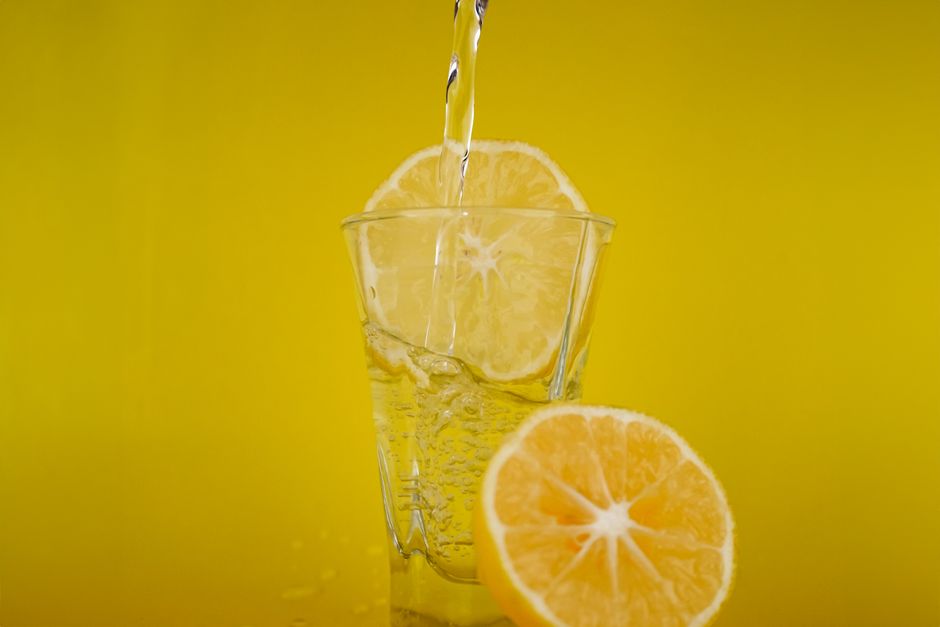
Lemon water is simply water with lemon juice added. To make it, squeeze half a fresh lemon into a glass of water — cold or warm — and drink it. That is the whole recipe. There is no special timing, no specific temperature, and no amount that has been shown to improve liver function. The liver does not need lemon water to do its job, and no clinical evidence confirms that lemon water treats or prevents any liver disease.
What follows is an honest look at what lemon water actually does, what the liver actually needs, and where the popular claims about this drink come from.
How Do You Make Lemon Water For Liver Health?
You make it the same way you would make it for any other reason. Squeeze fresh lemon into water and drink it.
Common proportions people use:
- Half a lemon (about 1 to 2 tablespoons of juice) in 8 ounces of water
- A full lemon in a 16-ounce glass for a stronger taste
- Warm water if you prefer it, cold water if you do not
Fresh lemon juice is the usual choice. Bottled lemon juice works too, though it contains preservatives and often less vitamin C. Either way, the liver does not distinguish between them in any meaningful way.
One practical note: lemon juice is acidic and can wear down tooth enamel over time. Drinking it through a straw or rinsing your mouth with plain water afterward reduces that exposure. This is a real dental consideration, not a liver one.
What Does The Liver Actually Do?
The liver is the body’s main chemical processing plant. It performs hundreds of functions, and none of them require lemon water.
Its core jobs include:
- Filtering blood coming from the digestive tract before it circulates to the rest of the body
- Breaking down and removing toxins, including alcohol and drugs
- Producing bile, which helps digest fat
- Storing glucose as glycogen and releasing it when blood sugar drops
- Making proteins involved in blood clotting and immune function
- Processing and storing vitamins and minerals, including vitamin A, D, and B12
The liver also has a remarkable ability to regenerate. After partial surgical removal, remaining liver tissue can regrow. This is well established in surgical and transplant medicine.
What the liver does not do is wait around for a specific beverage to help it. It runs continuously, using the nutrients and compounds already in your bloodstream. Adding lemon to water does not change how any of these processes work.
Does Lemon Water Detox The Liver?
No. The liver detoxifies the body on its own, and lemon water does not make it do that faster or better.
The word “detox” is used loosely in wellness marketing. In medicine, detoxification refers to specific biochemical processes the liver already performs — breaking down compounds into forms the body can excrete through urine or bile. These processes happen whether or not you drink lemon water.
No clinical trial has shown that lemon water increases liver detoxification, speeds it up, or improves any measurable marker of liver function in healthy people. The claim rests on the idea that certain plant compounds “support” the liver. That is not the same as demonstrating a clinical benefit.
Biological plausibility is not evidence. A compound being present in a food does not mean eating or drinking that food changes how an organ works. This distinction matters, and it is where most lemon water claims fall apart.





What Does The Evidence Actually Show About Lemon And Liver Health?
Some laboratory research has looked at specific compounds in lemons, particularly flavonoids like hesperidin and eriocitrin. These studies are mostly done in cells or in animals, not in people drinking lemon water.
That distinction is important. A study showing that a concentrated lemon extract affects liver cells in a petri dish tells us almost nothing about what happens when a person drinks a glass of lemon water. The dose is different. The route is different. The body processes it differently.
Human trials specifically testing lemon water for liver health are essentially absent. The evidence is not mixed — it is largely missing.
What we do know is that lemons contain vitamin C and various plant compounds. Vitamin C is a nutrient the body needs. But most people get enough from their diet, and there is no established link between lemon water specifically and improved liver outcomes.
Is Lemon Water Harmful?
For most people, lemon water is not harmful. It is water with a bit of lemon. But a few honest caveats apply.
The main concern is dental. Repeated exposure to acidic drinks can erode tooth enamel over time. This is a documented effect of acidic beverages generally, not unique to lemon water. Using a straw and rinsing afterward helps.
People with gastroesophageal reflux disease (GERD) or frequent heartburn may find that lemon water makes symptoms worse. Citrus is a common trigger for some people. If it bothers you, that is a reason to skip it.
There is also a persistent claim that lemon water “alkalizes” the body. This is not accurate. The body tightly regulates blood pH within a narrow range, around 7.35 to 7.45. No food or drink changes that in a healthy person. The stomach is highly acidic by design, and lemon juice becomes less acidic once it mixes with stomach contents. The alkaline diet premise does not hold up.
What Actually Supports Liver Health?
The things that genuinely protect the liver are well established and mostly unglamorous.
- Limit alcohol. Alcohol is a direct liver toxin. Heavy drinking is a leading cause of liver disease in the United States.
- Maintain a healthy weight. Excess body fat, especially around the abdomen, is strongly linked to nonalcoholic fatty liver disease, now one of the most common liver conditions.
- Get vaccinated against hepatitis A and hepatitis B if you are at risk or have not been vaccinated.
- Avoid unnecessary medications and supplements. Some supplements and high-dose drugs can injure the liver. Always tell your doctor what you take.
- Manage conditions like diabetes and high cholesterol, which are linked to liver problems.
- Eat a balanced diet with plenty of vegetables, fruit, and fiber.
Notice that lemon water is not on this list. It is not because lemon water is bad. It is because there is no evidence it does anything for the liver that plain water does not.
Hydration itself matters. Water helps your body function, including your kidneys and digestion. Drinking more water is generally a good habit. Adding lemon makes it taste better for many people, which can help them drink more of it. That is a legitimate reason to drink lemon water — just not a liver-specific one.
Should You Drink Lemon Water?
If you enjoy it, drink it. If you do not, there is no health reason to force it.
Lemon water is a pleasant, low-calorie drink. It can help you stay hydrated. It provides a small amount of vitamin C. Those are real, modest benefits. What it does not do is detox your liver, cure any liver condition, or replace medical treatment.
Anyone with a diagnosed liver condition should follow their doctor’s guidance, not a beverage trend. Liver disease is a serious medical issue, and it requires real medical care. If you have symptoms like jaundice, persistent abdominal pain, or unexplained fatigue, see a doctor. Lemon water is not a substitute for that.
Frequently Asked Questions
How do you make lemon water for liver health?
Squeeze half a fresh lemon into a glass of water and drink it. There is no specific recipe or timing that has been shown to affect liver health.
Does lemon water detox your liver?
No. The liver detoxifies the body on its own, and no clinical evidence shows that lemon water speeds up or improves that process.
Is lemon water bad for your teeth?
It can contribute to enamel erosion over time because lemon juice is acidic. Using a straw and rinsing with plain water afterward can reduce that exposure.
Can lemon water cure fatty liver disease?
No. Nonalcoholic fatty liver disease is managed through weight loss, diet, and exercise under medical guidance, not through lemon water.
