
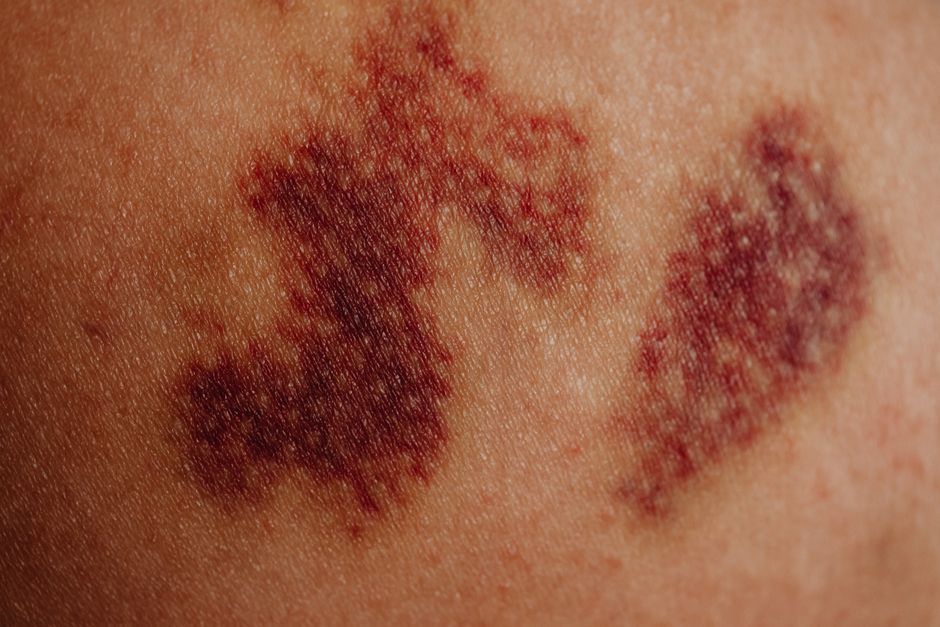
Yes, you can bruise a bone. The injury is called a bone bruise, or bone contusion, and it happens when the hard outer layer of a bone cracks under pressure without the bone breaking all the way through. It is a real, diagnosed injury — not a casual way of describing a deep muscle ache — and it can hurt more and last longer than many people expect.
Bone bruises are common after falls, sports collisions, and car accidents. They are usually found on an MRI, because standard X-rays often look normal. Most heal on their own with time and rest, but the timeline is measured in weeks to months, not days.
What Is a Bone Bruise, Exactly?
A bone is not a solid, dead stick. It is living tissue with a hard outer shell called cortical bone, a spongy inner layer called trabecular bone, and a thin membrane wrapped around the outside called the periosteum. That membrane is packed with nerve endings, which is one reason bone injuries hurt so much.
A bruise happens when force damages the bone’s structure without creating a full break. Blood and fluid leak into the bone tissue and the surrounding area, causing swelling and pain. Doctors sometimes group these injuries by where the damage sits:
- Subperiosteal bruise — bleeding under the outer membrane, often the most painful type.
- Intracortical bruise — damage within the hard outer layer.
- Medullary or trabecular bruise — injury to the spongy interior of the bone.
One detail that surprises many people: bones have a rich blood supply, and that is why they can bleed and bruise at all. Bone is not the inert material it feels like when you handle a dry chicken bone.
Can You Bruise the Bone Without Breaking It?
Yes. A bone bruise and a fracture are two different injuries, and the key difference is whether the bone has separated or cracked all the way through. In a bruise, the force is enough to damage tissue but not enough to snap the bone.
The line between the two is not always crisp. Some doctors describe a bone bruise as a stress injury on a spectrum that runs toward a hairline fracture. A hairline fracture is a thin crack that does not go all the way through. Imaging can sometimes show one and miss the other, which is part of why bone bruises are easy to underestimate.
What matters for you is that both need time to heal, and both can get worse if you push through the pain too soon.
What Does a Bone Bruise Feel Like?
The pain of a bone bruise is typically deep and achy rather than sharp and surface-level. It tends to be worse when you put weight on the area or press directly on the bone. Many people notice it hurts most at night or after activity.
Common signs include:
- Pain that is focused on one spot rather than spread across a muscle.
- Swelling and stiffness around the injured area.
- Discoloration of the skin nearby, though this does not always appear.
- Pain that lingers far longer than a typical muscle strain would.
One thing to know: you cannot always see a bruise on the skin over a bone bruise. The bleeding is happening inside and around the bone, not necessarily under the surface of your skin. So a lack of visible discoloration does not mean the injury is minor.
How Do You Know It Is a Bone Bruise and Not Something Else?
You often cannot tell on your own, and this is where a doctor’s evaluation matters. Bone bruise symptoms overlap with muscle strains, ligament sprains, and stress fractures. All of these can cause deep pain and swelling after an injury.
Imaging is usually how the diagnosis is confirmed. Plain X-rays are often normal in a bone bruise because the injury does not change the shape or alignment of the bone. An MRI can show the fluid and swelling inside the bone that signals a bruise. This is a common reason a person is told “the X-ray looks fine” but still has real pain.
If pain after an injury is severe, keeps you off the affected limb, or does not improve over a reasonable period, that is a reason to be checked. Do not assume it is “just a bruise” in the everyday sense. A true bone bruise is a structural injury.
How Long Does a Bone Bruise Take to Heal?
Healing takes weeks to months, and it varies widely depending on which bone is involved, how severe the bruise is, and your overall health. Bone tissue repairs itself slowly compared with muscle or skin.
Some people feel better within a few weeks. Others have lingering pain for several months, especially with bruises in weight-bearing joints like the knee or hip. The pain often fades gradually rather than disappearing overnight.
There is no single timeline that fits everyone, and no reliable way to speed up bone healing with a supplement or a home remedy. The body does this work on its own schedule. Trying to return to full activity too early is one of the most common ways people prolong their recovery.
How Are Bone Bruises Treated?
Most bone bruises are treated conservatively, meaning without surgery. The general approach is to protect the bone from further stress while it heals. That usually means rest, avoiding the activity that caused the injury, and sometimes using crutches or a brace to take weight off the area.
For pain and swelling, ice and elevation are commonly used in the early period. Over-the-counter pain relievers may be recommended by a clinician. Because bone bruises vary so much in location and severity, the specific plan should come from your own doctor rather than a general rule.
Here is an honest caveat. Much of the everyday advice for bone bruises — ice, rest, gradual return to activity — is standard clinical practice, but it is not backed by large trials designed specifically for bone bruises. It rests on general principles of injury care. That does not make it wrong, but it is worth knowing that the evidence base is thinner than the confidence with which the advice is sometimes given.
Surgery is not typically used for a bone bruise itself. It may come into play if there is a related injury, such as a torn ligament or a fracture that was missed.
When Should You See a Doctor?
See a doctor if you cannot bear weight on the injured area, if the pain is severe, if the limb looks deformed, or if symptoms are not improving over time. These can signal a fracture or another injury that needs treatment.
Also seek care if you have numbness, tingling, or a loss of normal function in the area. Those symptoms point to possible nerve or blood vessel involvement, which is a different and more urgent problem.
For a milder injury that is improving steadily, home care and patience are often reasonable. The judgment call is really about severity and direction — is it getting better, and can you use the limb?
Bone Bruise or Something More Serious?
It helps to understand where a bone bruise sits among bone injuries. The table below compares them in general terms. It is a rough guide, not a diagnostic tool.
| Injury | What Happens | Typical Imaging |
|---|---|---|
| Bone bruise | Bone tissue damaged, no full break | Often normal on X-ray, visible on MRI |
| Hairline fracture | Thin crack, not through the whole bone | Sometimes visible on X-ray |
| Full fracture | Bone broken through | Usually visible on X-ray |
This is why a normal X-ray does not always mean nothing is wrong. It means the injury may not be the kind that shows up on that particular test.
Can You Prevent a Bone Bruise?
You cannot prevent every injury, but you can lower your risk. Most bone bruises come from impact or repetitive stress, so the steps that help are the ones that reduce those forces.
- Wear appropriate protective gear for your sport, such as pads and proper footwear.
- Build strength and balance gradually to reduce falls, especially as you get older.
- Avoid suddenly increasing the intensity or volume of physical activity.
- Give injuries full time to heal before returning to the same activity.
None of these steps guarantees anything. They reduce risk; they do not remove it. Falls and collisions happen even to careful people.
What About Bone Bruises in Children?
Children can get bone bruises too, and their growing bones behave differently from adult bones. The growth plates at the ends of long bones are softer and more vulnerable to injury, which is a separate concern from a bruise in the solid part of the bone.
Because of this, an injury in a child that causes ongoing pain or limits activity deserves a medical evaluation rather than a wait-and-see approach. No clinical guidelines support treating a suspected bone injury in a child at home without assessment. When in doubt, have it looked at.
Frequently Asked Questions
Can you bruise a bone without breaking it?
Yes. A bone bruise damages bone tissue without creating a full break, and it is a distinct injury from a fracture. It is usually confirmed with an MRI because X-rays often look normal.
How long does a bone bruise take to heal?
Healing typically takes weeks to months, depending on the bone and the severity of the injury. Some people recover in a few weeks while others have lingering pain for several months.
Does a bone bruise show up on an X-ray?
Usually not. Plain X-rays are often normal in a bone bruise because the injury does not change the bone’s shape. An MRI is the test that can show the fluid and swelling inside the bone.
Is a bone bruise serious?
It is a real structural injury, not a minor surface bruise, and it can cause significant pain. Most heal on their own with rest, but severe or worsening symptoms should be checked by a doctor.
