
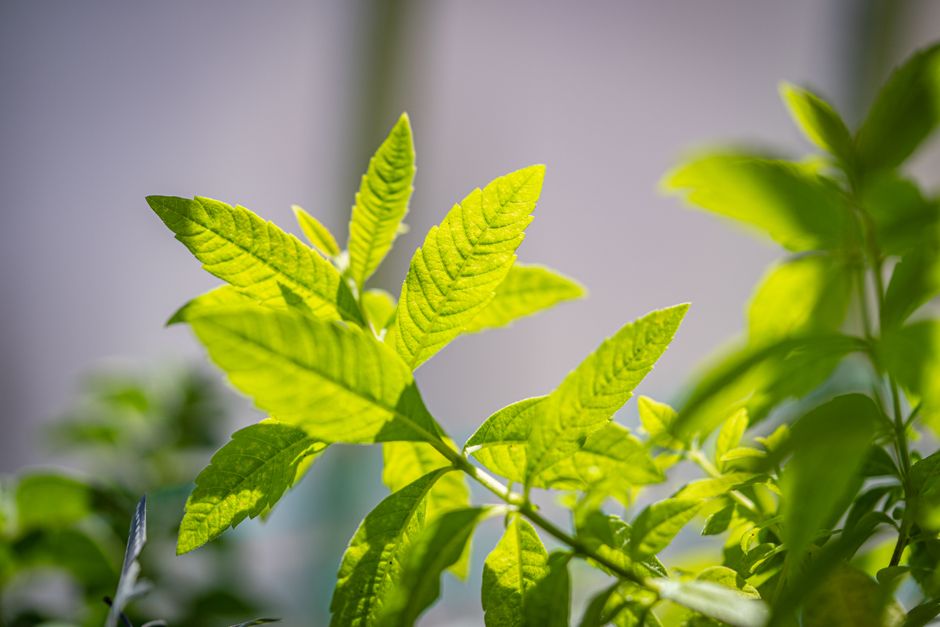
Making lemon verbena essential oil at home is not the same as making a lemon verbena infusion or extract. True essential oil requires steam distillation, which forces steam through the plant material to capture the volatile aromatic compounds. Most home kitchens do not have the equipment to do this safely or effectively. However, you can make a concentrated lemon verbena infusion using a carrier oil, which captures the plant’s fragrance and many of its beneficial properties for skincare and aromatherapy use.
What Is the Difference Between Essential Oil and Infused Oil?
Essential oil is the concentrated hydrophobic liquid containing volatile aroma compounds from plants. It takes a large amount of plant material to produce a small amount of oil. For example, it can take over 100 pounds of some plants to produce a single pound of essential oil.
Infused oil is different. It involves steeping plant material in a carrier oil like jojoba, sunflower, or olive oil. The carrier oil absorbs some of the plant’s beneficial compounds and fragrance. This is what you can realistically make at home. It is gentler than essential oil and safe to use directly on the skin in most cases.
Some people call this a “homemade essential oil,” but it is not the same product. Understanding this distinction matters for how you use it and what you expect from it.
How To Make Lemon Verbena Essential Oil At Home With Steam Distillation
Steam distillation is the only method that produces true lemon verbena essential oil. You need a still, which can be a laboratory distillation apparatus or a home still kit designed for essential oil production. These kits are available online and include a boiling flask, condenser, and collection vessel.
The process works like this. You place fresh or dried lemon verbena leaves in the boiling flask. You add water and heat it. Steam passes through the plant material, releasing the volatile oils. The steam and oil vapor travel through the condenser, where they cool back into liquid. The oil floats on top of the water and can be separated.
This process requires careful temperature control. Too much heat can destroy the delicate aromatic compounds. Too little heat produces very little oil. It also takes a significant amount of plant material. A pound of lemon verbena leaves might produce only a few milliliters of essential oil.
If you have the equipment, this is a legitimate home method. If you do not have a still, you cannot make true essential oil at home with kitchen tools.
How To Make Lemon Verbena Infused Oil at Home
This is the practical home method. It produces a useful product that is safe for most people to use. You need fresh or dried lemon verbena leaves and a carrier oil.
Good carrier oil choices include jojoba oil, sweet almond oil, sunflower oil, or fractionated coconut oil. These oils are light, absorb well, and do not have strong scents that compete with the lemon verbena.
Here is the basic process. Fill a clean glass jar loosely with lemon verbena leaves. Pour the carrier oil over the leaves until they are completely covered. Make sure no leaves are sticking out of the oil, as exposed plant material can mold. Seal the jar and place it in a warm, sunny spot for two to four weeks. Shake the jar gently every few days.
After the steeping period, strain the oil through a fine mesh strainer lined with cheesecloth. Squeeze the cloth to extract as much oil as possible. Discard the spent leaves. Transfer the infused oil to a clean, dark glass bottle. Store it in a cool, dark place.
This method captures the fragrance and some of the plant’s compounds. It is not as concentrated as essential oil, but it is safe to use on the skin without dilution.




Is Homemade Lemon Verbena Oil Safe?
Infused lemon verbena oil is generally safe for topical use. It is a gentle product that most people tolerate well. However, lemon verbena contains compounds that can cause skin sensitivity in some people. Always do a patch test before using it on a larger area of skin.
To do a patch test, apply a small amount of the oil to the inside of your forearm. Wait 24 hours. If you develop redness, itching, or irritation, do not use the oil on your skin.
True lemon verbena essential oil is much more concentrated and requires dilution in a carrier oil before skin application. Undiluted essential oil can cause skin irritation, burning, or allergic reactions. The general guideline for essential oil dilution is 1 to 2 percent, which is about 3 to 6 drops of essential oil per ounce of carrier oil.
Do not ingest essential oil of any kind. Ingesting essential oils can cause serious harm, including chemical burns to the esophagus and stomach. No clinical evidence supports the safety of swallowing essential oils.
What Is Lemon Verbena Used For?
Lemon verbena has a long history of use in traditional herbal medicine. The leaves are commonly used to make tea, which people drink for digestive complaints and mild anxiety. The plant’s pleasant lemon scent makes it popular in perfumes and skincare products.
Some research suggests lemon verbena has antioxidant and anti-inflammatory properties. Studies have looked at its potential to reduce muscle soreness and joint pain, but the evidence is not strong enough to make definitive claims. Some research indicates it may help with sleep quality and relaxation, but larger trials are needed.
For aromatherapy purposes, the scent of lemon verbena is uplifting and calming. Many people find it helpful for stress relief, even if the clinical evidence for this specific use is limited. Aromatherapy effects are personal and can vary widely from person to person.
How To Use Lemon Verbena Infused Oil
You can use homemade lemon verbena infused oil in several ways. Use it as a massage oil, a moisturizer, or a bath oil. Add it to homemade soap, lotion bars, or salves. It works well as a base for other homemade skincare products.
For a relaxing bath, add a few tablespoons of the infused oil to warm bathwater. The oil will float on the surface and moisturize your skin as you soak. Be careful getting out of the tub, as the oil can make surfaces slippery.
For a simple body oil, apply it directly to damp skin after a shower. This helps lock in moisture. The lemon scent is light and fades quickly, so it is not overpowering.
You can also use the infused oil in cooking if you used a food-grade carrier oil like olive oil. Lemon verbena infused olive oil makes a pleasant salad dressing or finishing oil. However, if you used a skincare oil like jojoba or almond oil, do not consume it.
How Long Does Homemade Lemon Verbena Oil Last?
Infused oils have a limited shelf life. They can go rancid, especially if exposed to heat, light, or air. Proper storage extends the life of your oil.
Stored in a cool, dark place in a tightly sealed dark glass bottle, infused oil typically lasts three to six months. You can extend the shelf life by adding vitamin E oil, which acts as a preservative. Adding a few drops of vitamin E oil to your finished product is a common practice among home herbalists.
Signs that your oil has gone bad include a rancid smell, a change in color, or visible mold. If you see any of these signs, discard the oil. Do not use spoiled oil on your skin.
True essential oil lasts much longer, often two to three years when stored properly. The distillation process removes water and impurities that cause spoilage.
Frequently Asked Questions
Can I make lemon verbena essential oil without a still?
No. True essential oil requires steam distillation equipment. Without a still, you can make an infused oil by steeping leaves in a carrier oil.
What carrier oil is best for lemon verbena infusion?
Jojoba oil, sweet almond oil, and fractionated coconut oil work well because they are light and have a neutral scent. Olive oil works if you plan to use the infusion for cooking.
How long does homemade lemon verbena infused oil last?
Stored properly in a cool, dark place, it lasts three to six months. Adding vitamin E oil can extend the shelf life.
Is lemon verbena oil safe to ingest?
No. Essential oils should never be swallowed. Infused oil made with food-grade carrier oil can be used in cooking, but infused oil made with skincare oils should only be used on the skin.
