
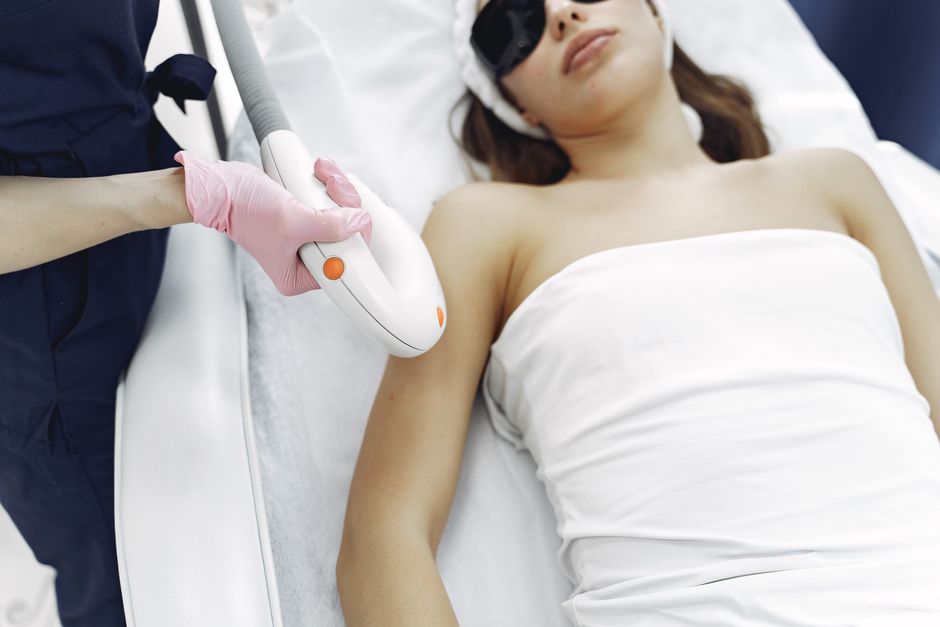
Laser hair removal does not have to be a miserable experience. Most people describe the sensation as a rubber band snapping against the skin, and while that is uncomfortable, there are proven ways to reduce the pain significantly. The most effective strategy combines choosing the right provider, preparing your skin properly for several weeks beforehand, and using numbing strategies that actually have clinical evidence behind them.
Why Does Laser Hair Removal Hurt in the First Place?
The pain comes from the laser itself. The device targets the pigment in your hair follicle and heats it to a temperature that destroys the follicle. That heat also travels to the surrounding skin and stimulates nerve endings there. Your body reads that stimulation as a sharp, stinging pain.
Several factors influence how much it hurts. Darker, thicker hair absorbs more laser energy, so it tends to hurt more. Lighter skin also absorbs less laser energy than darker skin, which means more of the energy goes where it is supposed to — into the hair — rather than being scattered. Skin sensitivity varies from person to person, and the area being treated matters a great deal. The upper lip, bikini line, and underarms have thinner skin and more nerve endings than the legs or arms, so they are typically more painful.
Timing in your menstrual cycle can also play a role for women. Some research suggests skin is more sensitive during the days right before and during menstruation, so scheduling treatments for the week after your period may reduce discomfort.
What Actually Works to Reduce the Pain?
Topical numbing cream is the single most effective method most clinics offer. These creams contain lidocaine, often combined with prilocaine, and they work by temporarily blocking nerve signals in the skin. When applied correctly, they can make a significant difference in how much you feel during the procedure.
The key is application time. Numbing cream needs at least 30 to 60 minutes to penetrate the skin deeply enough to be useful. Many clinics apply it for longer, sometimes up to an hour, and that extra time matters. If the cream sits for only 10 minutes, it will do very little. Ask your clinic how long they plan to leave it on before the laser starts.
Some clinics also use a cooling device alongside the laser. Many modern lasers have a built-in cooling tip that blasts cold air onto the skin just before each pulse. This cools the top layer of skin and reduces the heat sensation. If your clinic offers this, it genuinely helps. If they do not, you can ask whether a cold air blower is available as an add-on.
How to Prepare Your Skin Before Your Appointment
Preparation starts weeks before the actual treatment, not the morning of. The most important rule is to avoid sun exposure. Tanned skin absorbs more laser energy, which increases pain and raises the risk of burns. Stay out of the sun and skip tanning beds for at least four to six weeks before your appointment. If you must be outside, use a broad-spectrum sunscreen on the area being treated.
Shaving is required, but timing matters. You should shave the area within 24 hours before your appointment. The laser needs to see the hair pigment below the surface, but hair above the skin will absorb energy and cause surface pain. Shaving removes that top portion while leaving the follicle intact. Do not wax, pluck, or use depilatory creams in the weeks before treatment. These methods remove the entire hair root, which means the laser has nothing to target.
Avoid caffeine on the day of your appointment. Caffeine can make you more jittery and more sensitive to pain. Some people find that taking an over-the-counter pain reliever like ibuprofen about an hour before helps, but you should ask your clinician first. Some providers prefer you avoid blood-thinning medications, and ibuprofen can thin the blood slightly.





What Happens During the Treatment Itself?
During the procedure, you are not helpless. You can take steps in the moment that reduce pain. Communicate with your technician. If a particular pulse is too intense, say so. Most devices have adjustable settings, and a good technician will dial the energy down or adjust the cooling to keep you comfortable.
Breathing matters more than most people realize. Slow, steady breaths — inhaling through your nose and exhaling through your mouth — help your body stay relaxed. Tensing up amplifies pain perception. Some people find it helpful to focus on a fixed point in the room or listen to music through headphones to distract themselves.
For smaller, highly sensitive areas, some clinics offer a vibrating device placed near the treatment site. The theory is that vibration stimulates other nerve fibers and essentially distracts the brain from the laser pain. It is not a guaranteed method, but some patients report it helps.
Are There Prescription-Strength Options?
For people with very low pain tolerance or those treating large, sensitive areas, prescription numbing is an option. Some clinics can apply a stronger prescription numbing cream or even use a local anesthetic injection in rare cases. These are not standard for most cosmetic laser procedures, but they exist for patients who need them.
Speak honestly with your provider about your pain concerns before the day of treatment. If you know you have a low pain threshold, tell them in advance. They can plan ahead and have stronger options ready. Showing up on the day and asking for stronger numbing after the cream is already on will not work — the timing will be wrong.
No clinical guidelines currently exist for the routine use of prescription pain control during cosmetic laser hair removal. The decision is made on a case-by-case basis by the treating clinician. What is common practice in one clinic may not be available in another, so ask directly when you book your consultation.
What to Avoid After Treatment to Prevent Extra Pain
Aftercare affects how your skin feels in the hours and days following treatment. Immediately after the session, your skin will be red and sensitive. This is normal and usually resolves within a few hours to a day. Applying a cool compress or aloe vera gel can soothe the area.
Avoid hot showers, saunas, steam rooms, and intense exercise for at least 24 to 48 hours after treatment. Heat increases blood flow to the area, which can intensify redness and discomfort. Tight clothing can also rub against the treated skin and cause irritation, so wear loose, breathable fabrics on the day of your appointment.
Do not pick at any crusting or blistering that occurs. While uncommon with proper settings, some people do develop small crusts. Picking at them can lead to infection and scarring. If you experience significant blistering or pain that lasts more than a couple of days, contact your provider.
Does the Type of Laser Matter for Pain?
Yes, different laser platforms produce different sensations. Alexandrite lasers are common for lighter skin tones and tend to feel like a sharp snap. Diode lasers are often described as a deeper, warmer sensation. Nd:YAG lasers are typically used for darker skin tones and can feel like a hot pinprick.
Newer devices with larger spot sizes and faster repetition rates can complete treatments more quickly, which means less total time in discomfort. Some platforms have integrated cooling that is more effective than others. Your provider should be able to explain which laser they use and why it is appropriate for your skin type. Do not be afraid to ask about the specific device during your consultation.
There is no single “painless” laser. The device matters, but the skill of the operator and your preparation matter just as much.
How Many Sessions Will You Need?
Hair grows in cycles, and laser only destroys follicles that are in the active growth phase. At any given time, only a portion of your hair follicles are active. This is why multiple sessions are required. Most people need six to eight treatments spaced four to six weeks apart to see significant, lasting reduction.
Each session should feel less painful than the last because there is less hair to target. The first session is often the most uncomfortable. By the third or fourth session, the hair is thinner and sparser, which means less laser energy is absorbed and less pain is felt.
Maintenance treatments are sometimes needed once or twice a year after the initial series is complete. This is normal and does not mean the treatment failed.
When to Be Skeptical
Be cautious of clinics that promise a completely painless experience. Some discomfort is inherent to the process. A clinic that guarantees zero pain may be using settings that are too low to be effective, which means you will pay for sessions that do not produce results.
Similarly, be wary of at-home laser devices that claim to be painless. These devices use much lower energy levels than professional machines, which is why they hurt less. The trade-off is that they are also less effective. Some people see results with consistent use over many months, but the outcome rarely matches professional treatment.
If a clinic offers to sell you expensive aftercare products that claim to reduce pain, ask for the evidence. Basic aloe vera and cool compresses are inexpensive and well-supported. Expensive creams with exotic ingredients are not necessary.
Frequently Asked Questions
Can I take pain medication before laser hair removal?
Yes, some people take an over-the-counter pain reliever like ibuprofen about an hour before treatment, but you should confirm with your clinician first. Some providers prefer you avoid medications that thin the blood.
How long before laser hair removal should I apply numbing cream?
Numbing cream needs at least 30 to 60 minutes to work effectively. If your clinic applies it for less than 30 minutes, it will provide limited pain relief.
Is laser hair removal more painful on certain body parts?
Yes, areas with thinner skin and more nerve endings — like the upper lip, underarms, and bikini line — are typically more painful. The legs and arms are generally less sensitive.
Does shaving before laser hair removal reduce pain?
Yes, shaving within 24 hours before your appointment reduces surface pain. Hair above the skin absorbs laser energy and causes discomfort, while shaving leaves the follicle intact for the laser to target.
