
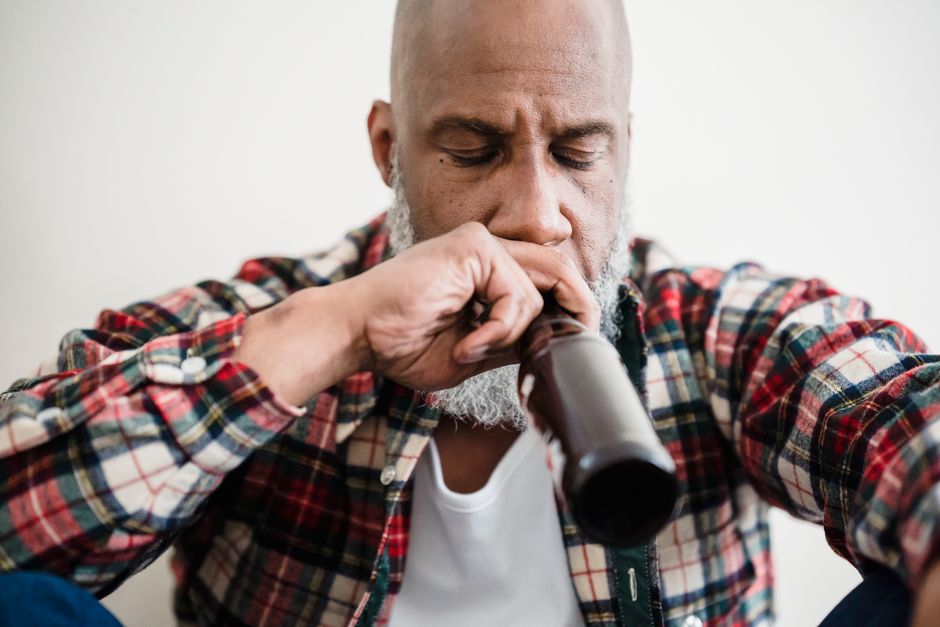
Intensive outpatient alcohol treatment, often called IOP, is a structured program for people who need more support than weekly counseling but do not require 24-hour supervision in a residential facility. It typically involves several hours of therapy per week, usually three sessions of about three hours each, while the person continues living at home and managing work, school, or family responsibilities. This level of care sits between standard outpatient counseling and inpatient or residential treatment, and it is designed for people who are medically stable and motivated to change their drinking habits.
How Does Intensive Outpatient Alcohol Treatment Work?
IOP programs provide a scheduled, multi-hour block of treatment on set days each week. Most programs run for several weeks to a few months, though the exact length depends on the individual’s needs and progress. The structure is consistent: group therapy, individual counseling, and education about addiction and relapse prevention.
Group therapy is the backbone of most IOP programs. A licensed clinician leads sessions where participants discuss their struggles, share coping strategies, and hold each other accountable. Individual counseling addresses personal issues that drive drinking, such as trauma, anxiety, depression, or relationship problems. Educational sessions teach practical skills — how to identify triggers, how to refuse a drink in social situations, and how to rebuild routines that do not revolve around alcohol.
Many programs also include family involvement. Family therapy can help repair damaged relationships and educate loved ones about how to support recovery without enabling drinking. Some IOPs offer separate family education groups or invite family members to specific sessions.
Who Is a Good Candidate for IOP?
IOP is not for everyone, and determining whether it fits requires an assessment by a qualified professional. It works best for people who have a moderate alcohol use disorder — meaning their drinking causes significant problems but they are not experiencing severe, life-threatening withdrawal symptoms.
People who are appropriate for IOP typically have a safe, stable home environment. They do not have active psychosis or untreated severe mental illness that would interfere with participation. They can commit to attending sessions consistently. They may have tried quitting on their own and relapsed, or they may be transitioning out of a residential program and need continued support.
People who are not good candidates include those with severe withdrawal risk, a history of seizures or delirium tremens, active suicidal thoughts, or unstable medical conditions. These individuals usually need a higher level of care, such as medically supervised detoxification or residential treatment.
What Does a Typical Week Look Like?
A standard IOP schedule involves three sessions per week, each lasting roughly three hours. That amounts to about nine hours of structured treatment weekly. Some programs offer evening sessions to accommodate people who work during the day. Others run morning or afternoon groups.
Sessions are not passive lectures. Participants are expected to speak, share, and engage. Homework is common — journaling about cravings, practicing refusal skills, or attending mutual support meetings like Alcoholics Anonymous or SMART Recovery outside of program hours. The goal is to build a sober lifestyle, not just to pass time in a room.
Many programs incorporate random drug and alcohol testing. This is not about punishment. It provides accountability and helps both the participant and the treatment team track progress honestly. If a relapse occurs, the program adjusts the treatment plan rather than simply discharging the person.





Is Intensive Outpatient Treatment Effective?
Research consistently shows that IOP is an effective form of treatment for alcohol use disorder. Studies have found that people who complete IOP programs significantly reduce their drinking and improve their overall functioning. The effectiveness is comparable to residential treatment for many individuals, particularly those with moderate severity of addiction.
The key factor is not the setting but the engagement. People who attend sessions regularly, participate actively, and complete the full program have better outcomes than those who drop out early. This is true across all forms of addiction treatment, not just IOP.
One of the advantages of IOP is that it allows people to practice new skills in their real environment immediately. A person learns to handle a craving on a Tuesday night and then faces a Friday happy hour the same week. This real-world application can make the skills stick better than learning them in an isolated residential setting.
How Does IOP Compare to Other Treatment Levels?
Treatment for alcohol use disorder exists on a continuum. Understanding where IOP fits helps people make informed decisions about what they need.
- Standard outpatient counseling: One to two hours per week with a therapist or counselor. Best for people with mild alcohol use disorder or those maintaining recovery after completing a higher level of care.
- Intensive outpatient (IOP): Nine or more hours per week of structured treatment. Suitable for moderate alcohol use disorder.
- Partial hospitalization (PHP): Twenty or more hours per week, often five full days. For people who need intensive structure but can still return home at night.
- Residential or inpatient treatment: 24-hour care in a facility. For people with severe addiction, unstable home environments, or co-occurring conditions that require constant supervision.
- Medically managed detoxification: Short-term medical supervision to manage withdrawal symptoms safely. Often a first step before entering IOP or residential care.
IOP is sometimes used as a step-down from residential treatment. A person completes a 30-day residential program and then continues in IOP for several weeks to transition back into daily life. This continuity significantly improves long-term outcomes.
What About Medication for Alcohol Use Disorder?
Medication can be a valuable part of an IOP program, though it is not always offered. The U.S. Food and Drug Administration has approved several medications for alcohol use disorder, including naltrexone, acamprosate, and disulfiram. These medications work in different ways — reducing cravings, stabilizing brain chemistry, or creating an unpleasant reaction if alcohol is consumed.
Some IOP programs integrate medication management with their therapy services. Others require participants to see an outside physician or psychiatrist for medication. If a program does not mention medication, it is reasonable to ask whether it can be incorporated. Evidence indicates that combining medication with behavioral therapy is more effective than either approach alone for many people.
It is important to note that medication does not erase the need for therapy. The skills learned in IOP — identifying triggers, managing stress, rebuilding relationships — are essential to maintaining sobriety long after medication is stopped.
How Much Does IOP Cost and Does Insurance Cover It?
Costs vary widely by region, program, and duration. Generally, IOP is significantly less expensive than residential treatment because it does not include room and board. Many programs charge per session or per week, and sliding-scale fees are available at some nonprofit or publicly funded clinics.
Most private health insurance plans cover IOP for alcohol use disorder, at least in part. The Affordable Care Act requires insurance plans to cover substance use treatment as an essential health benefit, though the specifics depend on the plan. Medicaid also covers IOP in most states. Before enrolling, contact the insurance company to confirm coverage, copays, and whether the specific program is in-network.
Medicare covers IOP under certain conditions, typically requiring that the treatment is deemed medically necessary and provided by a certified program. The exact coverage details change, so it is always best to verify directly with the insurance provider.
How to Find a Quality IOP Program
Finding a reputable program requires some effort, but the process is straightforward. Start by asking a primary care physician or a licensed addiction counselor for recommendations. These professionals usually know the local treatment landscape and can match a person’s needs to the right program.
When evaluating programs, ask about accreditation and licensing. Programs should be licensed by the state and ideally accredited by organizations like the Joint Commission or the Commission on Accreditation of Rehabilitation Facilities (CARF). Ask about staff qualifications — licensed clinicians, certified addiction counselors, and access to medical consultation.
Ask about the program’s approach. Some programs use cognitive-behavioral therapy, which focuses on changing thought patterns and behaviors. Others use motivational interviewing or twelve-step facilitation. The specific approach matters less than whether the program individualizes treatment and measures outcomes. A quality program will conduct an initial assessment and develop a treatment plan tailored to the individual, not a one-size-fits-all curriculum.
It is also reasonable to ask about completion rates and relapse rates. Reputable programs track these numbers and will share them. Be cautious of programs that make promises of guaranteed recovery — no ethical treatment provider can guarantee outcomes, and anyone who does is not being honest.
Frequently Asked Questions
How long does intensive outpatient alcohol treatment last?
Most IOP programs run for 6 to 12 weeks, though some extend longer based on individual progress. The duration depends on the severity of the alcohol use disorder and how well the person responds to treatment.
Can I work while attending intensive outpatient treatment?
Yes, that is one of the main advantages of IOP. Sessions are typically scheduled in the evening or at other times that accommodate work and family responsibilities.
What happens if I relapse during IOP?
Relapse does not automatically mean discharge from the program. The treatment team will reassess the situation, adjust the treatment plan, and address the factors that led to the relapse.
Is intensive outpatient treatment covered by insurance?
Most private insurance plans and Medicaid cover IOP for alcohol use disorder. Coverage details vary by plan, so contact the insurance provider before starting treatment to confirm benefits and any out-of-pocket costs.
