
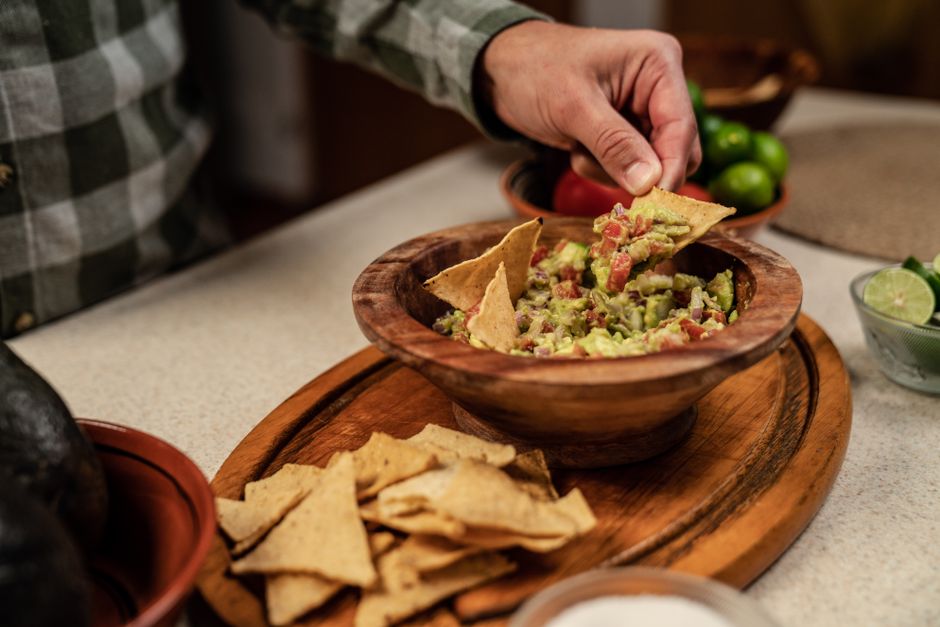
Homemade salsa is genuinely healthy for most people. It is low in calories, packed with vegetables, and delivers real nutrients like vitamin C, potassium, and fiber. Unlike many store-bought versions, homemade salsa lets you control the salt, sugar, and oil, which makes it a smart choice for everyday eating.
What Is Actually in Homemade Salsa?
Traditional homemade salsa starts with tomatoes, onions, chili peppers, cilantro, and lime juice. Some recipes add garlic, salt, or a small amount of oil. That is it. No preservatives, no added sugar, no artificial colors.
This simple ingredient list is why salsa is so nutrient-dense. Tomatoes are the base, and they bring vitamin C, potassium, and lycopene — a plant compound linked to heart health in some studies. Onions and garlic add prebiotic fiber, which feeds the good bacteria in your gut. Chili peppers provide capsaicin, the compound responsible for their heat, which some research suggests may slightly boost metabolism.
Compare that to many commercial salsas. Store-bought jars often add sugar, high-fructose corn syrup, or extra sodium to extend shelf life and balance flavor. A single serving of some brands contains more added sugar than a chocolate chip cookie. Homemade salsa avoids this entirely because you decide what goes in the bowl.
Is Homemade Salsa Healthy A Full Nutrition Breakdown?
Here is the honest breakdown. A half-cup serving of homemade salsa typically contains about 30 to 50 calories, depending on the recipe. It has roughly 2 grams of fiber, 2 grams of protein, and almost no fat unless oil is added.
The real value is in the micronutrients. One half-cup provides about 20 to 30 percent of your daily vitamin C needs. It also delivers a meaningful amount of vitamin A from the tomatoes and chili peppers, plus potassium — a mineral most Americans do not get enough of. Potassium helps counterbalance sodium and supports healthy blood pressure.
Sodium is the one thing to watch. A basic homemade recipe with half a teaspoon of salt across the whole batch contains around 150 to 200 milligrams of sodium per half-cup. That is reasonable. Many restaurant salsas and jarred versions easily double or triple that amount. If you are salt-sensitive or managing high blood pressure, you can simply reduce or skip the salt in homemade salsa without losing much flavor.
How Does Homemade Salsa Compare to Store-Bought?
The differences are real but not always dramatic. The table below shows typical values for a half-cup serving.
| Nutrient | Homemade Salsa | Store-Bought Salsa |
|---|---|---|
| Calories | 30–50 | 40–70 |
| Sodium | 150–200 mg | 300–600 mg |
| Added Sugar | 0 g | 2–6 g |
| Fiber | 2 g | 1–2 g |
| Preservatives | None | Often present |
The biggest gap is sodium and added sugar. Many commercial salsas rely on these to mask the flavor of tomatoes that were picked before ripening. Fresh homemade salsa uses ripe tomatoes, so it does not need the same corrections.
One more difference matters. Store-bought salsa is often cooked or heat-processed to ensure shelf stability. This process can reduce heat-sensitive nutrients like vitamin C. Fresh homemade salsa retains more of these delicate compounds.



Can Salsa Help You Lose Weight or Eat Less?
Salsa is a genuinely helpful food for weight management, but not because it burns fat. No food does that. Salsa helps because it replaces higher-calorie condiments.
Think about what people typically put on tacos, eggs, or baked potatoes. Sour cream has about 60 calories per two tablespoons. Cheese adds 110 calories per ounce. Guacamole is nutritious but packs roughly 50 calories per two tablespoons. Salsa delivers the same flavor punch for about 10 calories per two tablespoons.
This substitution effect is well documented in nutrition research. Foods that are high in water and fiber, like salsa, increase fullness without adding many calories. The capsaicin in chili peppers may also play a small role. Some studies suggest it slightly increases energy expenditure, but the effect is too small to matter for weight loss on its own. The real benefit is that salsa makes vegetables and lean proteins more appealing, which can help you stick to a healthier eating pattern.
Are There Any Downsides to Eating Salsa?
For most people, no. But there are a few situations where salsa is not the best choice.
People with acid reflux or GERD may find that tomatoes and chili peppers trigger symptoms. Tomatoes are naturally acidic, and capsaicin can relax the lower esophageal sphincter, allowing stomach acid to flow upward. If you notice heartburn after eating salsa, it is not in your head. You can try milder versions with fewer chili peppers or roasted tomatoes, which are slightly less acidic.
People with irritable bowel syndrome (IBS) may also react to salsa. Onions and garlic contain fermentable carbohydrates called FODMAPs that can cause bloating and gas in sensitive individuals. A low-FODMAP salsa can be made using garlic-infused oil instead of garlic pieces and omitting the onions.
One more consideration: salsa is often eaten with tortilla chips. A single ounce of tortilla chips — about 10 to 15 chips — contains roughly 140 calories and 7 grams of fat. It is very easy to eat three or four servings of chips without noticing. The salsa is healthy. The chips are where the calories add up. If you are watching your weight, consider dipping vegetables like cucumber slices, bell peppers, or jicama instead.
Is Canned or Jarred Salsa Ever a Good Option?
Yes. Not everyone has time to chop fresh vegetables every week, and jarred salsa is far better than most other packaged condiments.
When choosing a store-bought salsa, read the ingredient list. Look for products where tomatoes are the first ingredient and where sugar or high-fructose corn syrup does not appear in the first five ingredients. Check the sodium content. Aim for brands with 200 milligrams or less per two-tablespoon serving. Some brands now offer low-sodium versions that are comparable to homemade.
Refrigerated salsas in the produce section are often closer to homemade in taste and nutrition because they are not as heavily processed. They do have a shorter shelf life, which is actually a good sign — it means fewer preservatives.
Does Cooking Salsa Change Its Nutrition?
Yes, but the changes are not all bad. Cooking tomatoes actually increases the availability of lycopene, the antioxidant linked to prostate and heart health in observational studies. Heat breaks down the plant cell walls, making lycopene easier for your body to absorb.
The trade-off is that vitamin C is heat-sensitive. Raw salsa has more vitamin C than cooked or roasted salsa. If you want both benefits, eat a mix of raw and cooked salsas. Use raw pico de gallo for its vitamin C and roasted salsa for its higher lycopene availability.
Adding a small amount of oil — even just a teaspoon of olive oil — improves the absorption of fat-soluble nutrients like lycopene and vitamin A. This is one case where a little fat is genuinely helpful, not harmful.
Frequently Asked Questions
Is salsa good for you every day?
Yes, daily salsa consumption is healthy for most people when paired with reasonable portions of chips or vegetables. The main concern is sodium, so adjust the salt in homemade versions or choose low-sodium store brands.
Does salsa count as a serving of vegetables?
Yes, a half-cup of salsa counts as one serving of vegetables toward your daily recommended intake. Tomatoes are the primary vegetable, and the onions and peppers add to the total.
Is salsa fattening?
No, salsa itself is very low in calories and fat. The foods you dip into it, like tortilla chips, are what contribute the calories.
Can salsa help with weight loss?
Salsa can support weight loss indirectly by replacing high-calorie condiments like sour cream and cheese. It adds flavor and volume for very few calories, which helps with portion control.
