
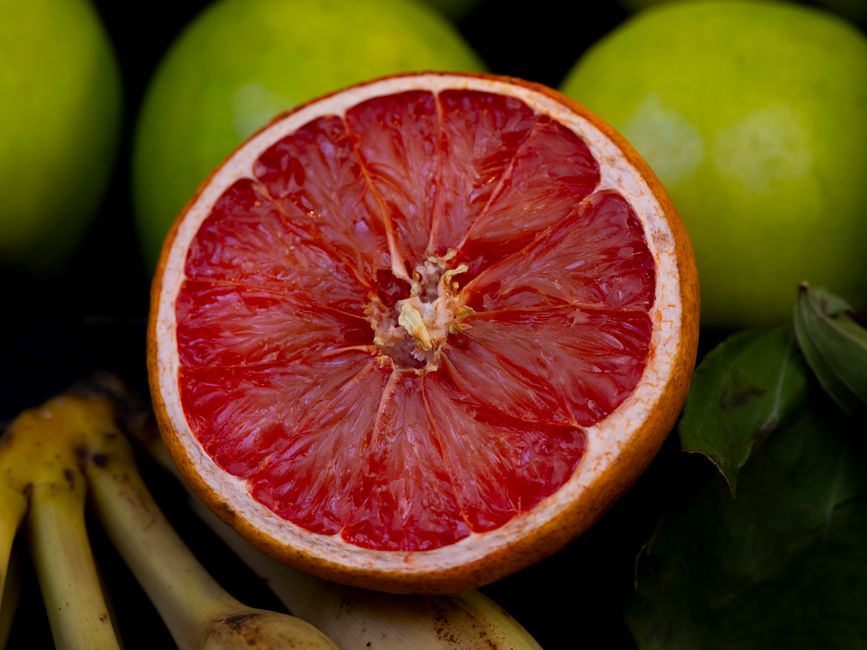
Grapefruit juice is sharp, tangy, and often intensely bitter. That bitterness comes from natural plant compounds, not from spoilage or poor quality. You can reduce it without adding loads of sugar. The most effective methods involve balancing the bitterness with sweetness, salt, or by changing how you prepare the fruit itself.
Why Is Grapefruit Juice So Bitter?
The bitterness in grapefruit comes from compounds called naringin and limonin. These are natural flavonoids and limonoids found in the fruit’s flesh, membranes, and pith (the white part under the peel).
Naringin is concentrated in the white pith and the membranes between segments. When you juice a whole grapefruit, you squeeze those bitter compounds right into the glass. Limonin develops over time. Fresh juice tastes less bitter than juice that has sat in the fridge for a day, because limonin forms as the juice oxidizes.
This is not a defect. It is the fruit’s natural chemistry. Some people are more sensitive to these bitter compounds than others, which is why some people love grapefruit and others find it undrinkable.
Does Adding Sugar Actually Fix the Bitterness?
Yes, but it is not the only option. Sugar works because sweetness masks bitterness at the taste receptor level. It does not remove the bitter compounds — it makes your brain perceive them less intensely.
Table sugar, honey, agave, or maple syrup all work. The amount needed varies by person and by grapefruit. Start with one teaspoon per cup of juice, taste, and add more only if needed.
A better approach is to use a sweetener that also adds flavor. Honey adds floral notes. Agave is milder and dissolves quickly in cold liquid. Maple syrup adds a deeper, almost smoky sweetness that pairs well with grapefruit’s tartness.
Does Salt Reduce the Bitterness of Grapefruit Juice?
A pinch of salt is a classic trick. Salt does not make the juice taste salty at the amounts used here. Instead, it suppresses bitterness and enhances the natural sweetness of the fruit.
This works because salt interacts with taste receptors on your tongue. It reduces the signal that your brain interprets as bitter while allowing sweetness to come through more clearly.
Use a very small amount. A single pinch — roughly 1/16 of a teaspoon — per cup of juice is enough. Too much salt will ruin the flavor. This technique is well established in culinary practice and supported by food science research on taste perception.





Does Blending the Whole Fruit Change the Bitterness?
Yes, but not in the way you might expect. If you blend a whole peeled grapefruit instead of juicing it, you get a thicker, pulpier drink. The pulp contains fiber and some of the bitter compounds, but the overall bitterness may actually be lower than strained juice.
Here is why. When you juice a grapefruit, you extract liquid from every part of the fruit, including the bitter membranes. When you blend it, you incorporate the whole flesh, which includes natural sugars and fiber that balance the bitter compounds.
Blending also leaves the white pith intact. The pith is bitter, but it is also high in fiber and vitamin C. If you want a smoother, less bitter drink, peel the grapefruit deeply — removing all the white pith — before blending. This removes most of the naringin source.
Does the Variety of Grapefruit Matter?
Yes. Grapefruit varieties differ significantly in bitterness. This is one of the most effective ways to get less bitter juice — choose a different fruit.
Ruby Red and Rio Red grapefruits are naturally sweeter and less bitter than white or yellow grapefruits. The pink and red color comes from lycopene, an antioxidant, and these varieties have been bred for higher sugar content and lower acidity.
White grapefruit is the most tart and bitter. It has the highest naringin content. If you are buying grapefruit specifically for juice, look for deep red varieties. They cost about the same but produce noticeably sweeter juice.
Freshness also matters. Grapefruit that is heavy for its size and feels firm is juicier. Juice from ripe fruit is sweeter and less bitter than juice from underripe fruit.
How To Make Grapefruit Juice Taste Less Bitter
The most reliable method combines several techniques. Start with the right fruit, remove the bitter parts, and balance the flavor.
- Choose red or pink grapefruit varieties instead of white.
- Peel the fruit deeply, removing all white pith before juicing.
- Juice only the flesh, not the membranes or peel.
- Add a pinch of salt per cup of juice.
- Sweeten with honey or agave only if needed.
- Drink fresh juice within a few hours. Bitterness increases as juice sits.
If you are using a citrus juicer that presses the whole halved fruit, you cannot remove the pith beforehand. In that case, the salt and sweetener approach is your best option.
Does Mixing Grapefruit Juice With Other Juices Help?
Mixing is an effective way to reduce bitterness without adding refined sugar. The sugars and acids in other fruits mask the bitter compounds.
Orange juice is the most common choice. It is sweeter and less acidic than grapefruit juice, so it balances the flavor well. A 50/50 mix is a good starting point. You can adjust the ratio to taste.
Pomegranate juice adds sweetness and a deep red color. Apple juice is mild and adds sweetness without overwhelming the grapefruit flavor. Cranberry juice is tart, so it does not reduce bitterness as effectively.
Lemon and lime juice do not help. They are more acidic than grapefruit juice and will make the drink more sour, not less bitter.
Is There a Way to Remove Bitterness Completely?
No. There is no practical home method that removes all bitterness from grapefruit juice. The bitter compounds are dissolved in the liquid itself, not just in the pulp.
Some commercial processes use enzymes or resins to remove naringin and limonin, but these are industrial methods not available at home. You can reduce bitterness significantly, but you cannot eliminate it entirely without removing the compounds chemically.
This is worth knowing because it changes your goal. Instead of trying to make grapefruit juice taste like orange juice, aim to make it taste good as grapefruit juice. The bitterness is part of the fruit’s character. Reducing it to a pleasant level is realistic. Removing it completely is not.
Does Cold Temperature Affect Bitterness?
Serving grapefruit juice very cold can help. Cold temperatures dull taste perception, including bitterness. This is why many people prefer grapefruit juice over ice.
Chill the juice thoroughly before drinking. Add ice cubes or refrigerate the juice for at least an hour before serving. Cold juice also tastes less acidic, which makes the bitterness less sharp.
Do not freeze the juice. Freezing and thawing changes the texture and can make the juice watery. Refrigeration is sufficient.
Can You Use the Bitter Compounds to Your Advantage?
The same compounds that make grapefruit bitter also have health effects. Naringin is a flavonoid with antioxidant properties. Some research suggests it may help with cholesterol management, though the evidence is not conclusive enough for a formal health claim.
If you are drinking grapefruit juice for its nutritional content, removing the pith and membranes reduces some of these compounds. You still get vitamin C and other nutrients from the flesh. The trade-off is between bitterness and specific plant compounds.
Most people do not need to worry about this. Drinking less bitter juice is fine. You are still getting a nutrient-dense beverage.
Does Grapefruit Juice Interact With Medications?
This is important. Grapefruit juice affects how your body processes certain medications. It can increase the amount of medication that enters your bloodstream, which can be dangerous.
This happens because compounds in grapefruit juice block an enzyme in your intestines called CYP3A4. This enzyme normally breaks down many medications before they reach your bloodstream. When it is blocked, more of the medication gets through.
Medications affected include certain statins (cholesterol drugs), some blood pressure medications, and certain anxiety or allergy drugs. The interaction can last for up to 24 hours after drinking grapefruit juice.
If you take any prescription medication, check with your pharmacist or doctor before adding grapefruit juice to your routine. This applies to fresh juice and store-bought juice equally. The compounds that cause the interaction are present in both.
Frequently Asked Questions
Does adding sugar remove the bitterness from grapefruit juice?
Sugar masks bitterness rather than removing it. It works by overwhelming your taste receptors so the bitter compounds are less noticeable.
Is pink grapefruit juice less bitter than white grapefruit juice?
Yes. Red and pink grapefruit varieties are naturally sweeter and contain less of the bitter compound naringin than white grapefruit.
Can I drink grapefruit juice if I take medication?
Check with your doctor or pharmacist first. Grapefruit juice can dangerously increase the levels of certain medications in your bloodstream, including some statins and blood pressure drugs.
Does fresh grapefruit juice taste less bitter than bottled juice?
Yes. Fresh juice is less bitter because the bitter compound limonin forms over time as juice oxidizes. Drink fresh juice within a few hours for the mildest flavor.
