
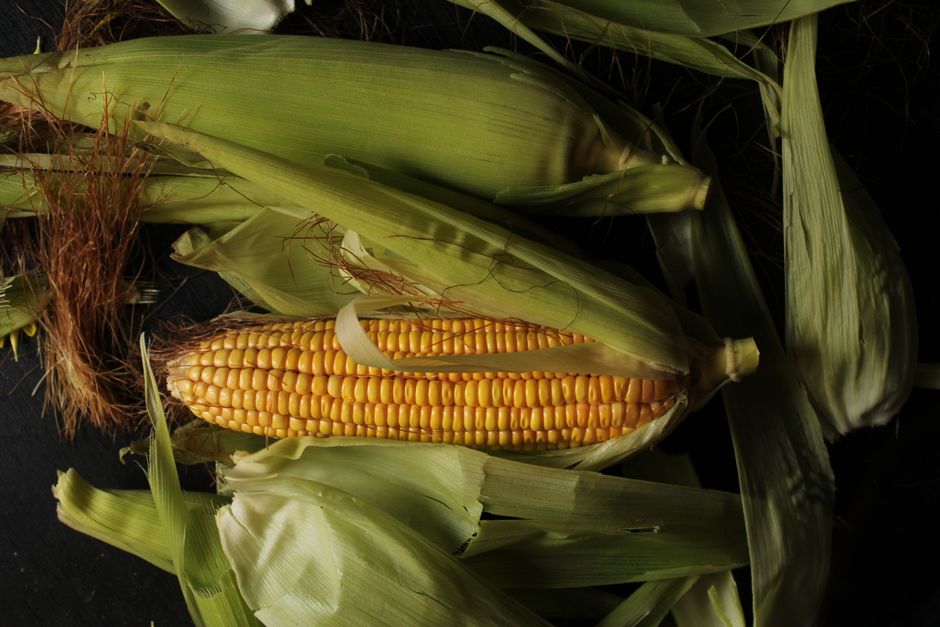
Making ethanol from corn is a well-established industrial process that turns field corn into fuel-grade alcohol. The process has four main stages: milling, cooking and liquefaction, fermentation, and distillation. Each stage has a specific job, and the science behind them is well understood.
How Is Corn Prepared for Ethanol Production?
Before any sugar can be made, the corn must be broken down. The outer shell of the corn kernel is tough, and the starch inside is locked away. Milling solves this problem.
There are two ways to mill corn for ethanol. The first is dry milling. The entire kernel is ground into a fine powder called corn meal. This powder contains the starch, protein, fiber, and germ all mixed together. Dry milling is the most common method in the United States.
The second method is wet milling. The corn is soaked in water and sulfur dioxide for one to two days. This softens the kernel and separates it into its parts: starch, germ, fiber, and protein. Wet milling is more complex and expensive, but it produces valuable co-products like corn oil and gluten meal alongside the ethanol.
Most ethanol plants in the U.S. use dry milling because it is simpler and cheaper to operate. The choice of milling method affects everything downstream, but the goal is the same: expose the starch so it can be converted to sugar.
How Does Starch Become Sugar for Fermentation?
Corn starch is a long chain of glucose molecules. Yeast cannot ferment starch directly. It can only ferment simple sugars. So the starch must be broken down first.
This happens in two steps. First, the ground corn is mixed with water to form a slurry. Enzymes called alpha-amylases are added, and the mixture is heated. The heat and enzymes break the long starch chains into shorter chains called dextrins. This step is called liquefaction.
The second step is saccharification. The mixture is cooled, and another enzyme called glucoamylase is added. This enzyme clips the dextrins into individual glucose molecules. The result is a sugar-rich liquid called mash.
This entire process takes a few hours. The temperature is controlled carefully because enzymes work best in specific temperature ranges. Too hot and the enzymes die. Too cool and they work too slowly.
What Happens During Fermentation?
Fermentation is where the sugar becomes alcohol. The mash is transferred to large fermentation tanks, and yeast is added. Saccharomyces cerevisiae, the same yeast used in baking and brewing, does the work.
The yeast consumes the glucose and excretes ethanol and carbon dioxide as waste products. The chemical equation is simple: one glucose molecule produces two ethanol molecules and two carbon dioxide molecules.
Fermentation takes 48 to 72 hours. The temperature is kept around 90°F (32°C) because this is the optimal range for the yeast. If it gets too hot, the yeast dies. If it gets too cold, fermentation slows down dramatically.
By the end, the liquid contains about 10 to 15 percent ethanol by volume. The yeast has consumed nearly all the sugar. The remaining liquid, called beer, also contains water, unconverted solids, and yeast cells.
The carbon dioxide produced during fermentation is often captured and sold. It is used in carbonated beverages and dry ice production. This makes the process more profitable.



How Does Distillation Separate Ethanol From Water?
Distillation is the separation step. The beer contains ethanol and water, and these two liquids need to be pulled apart. Ethanol boils at 173°F (78°C), while water boils at 212°F (100°C). This difference in boiling points is the key.
The beer is pumped into a distillation column and heated. The ethanol vaporizes first, rising to the top of the column. The water and solids stay behind. The vapor is collected and condensed back into liquid form.
A single pass through a distillation column is not enough. The ethanol-water mixture forms what chemists call an azeotrope at about 95 percent ethanol. This means simple distillation cannot get the ethanol purity any higher than roughly 95 percent.
To reach the 99 percent purity required for fuel ethanol, a dehydration step is needed. Most plants use molecular sieves. These are beads or pellets that trap water molecules while allowing ethanol to pass through. This final step brings the ethanol to fuel grade.
The water removed during distillation is not wasted. It is recycled back into the process or treated and reused. Modern ethanol plants are designed to minimize water use.
What Happens to the Leftover Corn Material?
The distillation process leaves behind a liquid and solid residue. In dry milling, this is called whole stillage. It contains the protein, fiber, oil, and yeast cells that were not converted to ethanol.
This material is valuable. It is centrifuged to separate the solids from the liquid. The solids become distillers dried grains (DDG), a high-protein animal feed. The liquid is concentrated into a syrup that can be added to the feed or used for other purposes.
Wet milling produces different co-products. Corn germ is processed to extract corn oil. The fiber and protein become corn gluten feed and corn gluten meal. These are used in livestock and poultry diets.
These co-products are not an afterthought. They can account for a significant portion of an ethanol plant’s revenue. A plant that only makes ethanol is leaving money on the table.
Can You Make Ethanol From Corn at Home?
People do make ethanol at home, but the scale and purpose matter. Home distillation of alcohol for fuel is legal in many states with a permit. Distilling alcohol for drinking without a license is illegal under federal law.
The process at home is the same in principle. You grind corn, add water and enzymes, heat it, ferment it with yeast, and distill it. The equipment is smaller, but the chemistry is identical.
Home stills typically produce small batches. A 5-gallon batch of mash might yield about a gallon of ethanol at 95 percent purity. Drying it to fuel grade requires additional equipment.
Safety is a real concern. Ethanol vapor is flammable, and distillation produces it in concentrated form. Poorly built stills can leak vapor and cause fires or explosions. Methanol, a toxic byproduct of fermentation, can also be present in small amounts. Proper technique and equipment are essential.
For most people, making ethanol at home is a hobby rather than a practical fuel source. The energy required to distill a small batch often exceeds the energy in the ethanol produced.
How Efficient Is Corn Ethanol Production?
Ethanol production from corn is energy-intensive. It takes energy to grow the corn, transport it, mill it, heat it, and distill it. The question of whether corn ethanol is a net energy gain has been studied extensively.
Research consistently shows that modern corn ethanol production yields more energy than it consumes. The exact ratio depends on the plant and the farming practices used. Some studies put the energy balance at around 1.5 to 2 units of energy out for every unit in.
This does not mean corn ethanol is without environmental costs. Growing corn requires fertilizer, water, and land. Fertilizer runoff can affect waterways. The carbon footprint of corn ethanol depends heavily on how the corn is grown and how the plant is powered.
Ethanol production has improved significantly over the past two decades. Plants are more efficient, use less water, and capture more co-products. The industry continues to look for ways to reduce energy use and emissions.
Frequently Asked Questions
How long does it take to make ethanol from corn?
The full process takes about two to three days. Milling and cooking take a few hours, fermentation takes 48 to 72 hours, and distillation takes several more hours.
What is the difference between dry milling and wet milling?
Dry milling grinds the whole kernel into powder, while wet milling soaks the corn to separate its components first. Dry milling is simpler and more common, but wet milling produces more valuable co-products.
Can ethanol be made from corn without enzymes?
No. Corn starch must be broken into simple sugars before yeast can ferment it. Enzymes are required to do this efficiently and are used in every commercial ethanol plant.
Is homemade corn ethanol safe to drink?
No. Fuel-grade ethanol contains denaturants that make it poisonous, and homemade stills can produce methanol contamination. Distilling alcohol for drinking without a federal license is illegal.
