
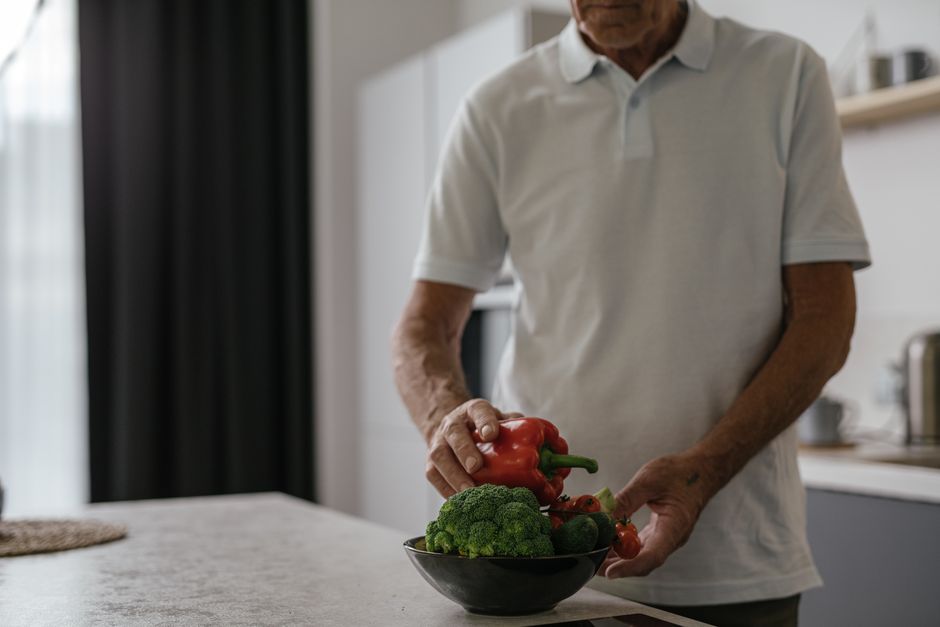
Eating healthy becomes fun when you stop treating food as a test of willpower and start treating it as something to explore. The adults who stick with healthy eating long-term are not the ones with the strictest rules. They are the ones who cook food they actually enjoy, try new flavors, and share meals with people they like. Pleasure and good nutrition are not opposites. The most sustainable way to eat well is to make it something you look forward to.
Why Does Healthy Eating Feel Like a Chore for So Many Adults?
Most people learned healthy eating as a list of things to avoid. Cut this out. Skip that. Say no to the bread basket. That framing turns food into a constant test of restraint, and restraint is exhausting.
There is also a practical side. After a long workday, cooking from scratch can feel like one more task on a list that is already too long. Convenience food wins because it asks less of you, not because it tastes better.
Research on habit formation consistently shows that behaviors tied to reward are more likely to stick than behaviors tied to restriction. If eating well feels like punishment, your brain will quietly push back. That is not a character flaw. It is how habits work.
The fix is not more discipline. It is changing what healthy eating feels like in the first place.
How To Make Eating Healthy Fun For Adults: Practical Approaches That Work
Fun is not a gimmick layered on top of nutrition. It is often what makes the nutrition last. Here are approaches that hold up in real life.
Cook food you are excited to eat
Healthy food does not have to mean plain chicken and steamed broccoli. Strong flavors, spices, citrus, garlic, herbs, and chili all add enjoyment without adding much of anything your body needs to worry about. A roasted vegetable with smoked paprika and lemon tastes nothing like a boiled one.
If you have been eating the same five meals for years, that is the real problem. Boredom drives people back to takeout faster than cravings do.
Make it social
People eat better when they eat with others. Cooking with a partner, a friend, or family members turns meal prep from a chore into time you actually want to spend. Some of the strongest evidence on eating behavior points to social context mattering as much as willpower.
Try a weekly cooking night with someone. Split the work. Try a recipe neither of you has made before.
Treat new foods like small experiments
Curiosity is a more reliable motivator than guilt. Pick one unfamiliar vegetable or grain each week and figure out how to cook it well. You will build a wider menu over time, and you will learn what you genuinely like rather than what you think you should like.
Shop differently
Farmers markets, ethnic grocery stores, and the produce section of a well-stocked supermarket are more interesting than the same aisle you always walk down. Buying one thing you have never cooked before, every trip, keeps food novel without adding pressure.
Do You Have to Give Up Favorite Foods to Eat Healthy?
No. Restriction-based eating is one of the most common reasons people abandon healthy habits. Cutting out every food you love creates a rebound effect that is well documented in eating behavior research.
The more useful skill is learning to enjoy a wide range of foods, including the ones that are not especially nutritious, without letting them crowd out everything else. A diet is not one meal. It is the pattern over weeks and months.
Some people find that a total ban on a favorite food makes them want it more. Others find that moderation is harder than a clean break. Both patterns exist, and the right approach depends on the person. What matters is that the overall pattern is sustainable.





What Makes Healthy Food Actually Taste Good?
Most complaints about healthy food come down to preparation, not the food itself. The same vegetable can taste bland or excellent depending on how it is cooked.
Three techniques do most of the work:
- Roasting brings out sweetness in vegetables through caramelization. Brussels sprouts, carrots, cauliflower, and squash all benefit.
- Acid wakes up flavors that taste flat. A squeeze of lemon or a splash of vinegar at the end of cooking changes a dish more than most people expect.
- Salt and fat, used deliberately, make vegetables taste like food rather than obligation. A modest amount of olive oil and a proper pinch of salt is not a health failure.
Texture matters too. A mushy vegetable is unappealing no matter how nutritious it is. Cooking vegetables until just tender rather than until soft makes a real difference.
How Do You Build Healthy Eating Habits Without Willpower?
Habits reduce the mental cost of a behavior until it becomes close to automatic. The goal is to make healthy eating the path of least resistance rather than a daily decision.
A few approaches that align with what is known about habit formation:
- Reduce friction. Wash and cut vegetables when you get home from the store so they are ready to eat. Put fruit where you can see it.
- Anchor new habits to existing ones. Add a vegetable to whatever you already cook rather than building a new meal from scratch.
- Plan loosely, not rigidly. A rough idea of three or four meals for the week is more sustainable than a detailed plan that falls apart by Wednesday.
- Batch cook one component, not the whole meal. Cook a pot of grains or roast a tray of vegetables once and use them through the week.
One clarification worth making: habit research suggests that missing a day does not undo a habit. What matters more is resuming quickly. The all-or-nothing mindset is often the bigger obstacle.
What Role Does Enjoyment Play in Long-Term Healthy Eating?
Enjoyment is not a bonus. It is one of the strongest predictors of whether a way of eating lasts.
People who describe their diet as pleasurable tend to maintain it longer than people who describe it as a discipline. That is not surprising. Anything you have to force yourself through repeatedly will eventually lose to something easier.
This does not mean every meal has to be exciting. It means the overall pattern should include food you genuinely like, not just food you tolerate because it is supposed to be good for you.
The adults who eat well for decades tend to have a repertoire of meals they enjoy, a few reliable shortcuts, and a flexible attitude. They are not white-knuckling it through every dinner.
How Do You Eat Healthy When You Are Busy or Tired?
Busy and tired is the default state for most adults, not the exception. Any approach to healthy eating that only works when you have energy and time will fail most weeks.
Practical strategies that hold up under real conditions:
- Keep a few genuinely easy meals in rotation that take minimal effort, such as eggs, canned fish, beans, or frozen vegetables.
- Frozen produce is nutritionally comparable to fresh in most cases and requires no prep or planning.
- Pre-cooked grains, rotisserie chicken, and pre-washed greens are not cheating. They are tools.
- Lower the bar on weeknights. A simple meal that happens is better than an ambitious one that does not.
The goal is not to eat perfectly on hard days. It is to make sure hard days do not turn into hard weeks.
Frequently Asked Questions
Is it possible to enjoy healthy eating if I currently hate vegetables?
Yes, but it usually requires changing how they are prepared rather than forcing yourself to eat them as they are. Roasting, adding acid, and using enough salt and fat changes the experience for most people who dislike vegetables.
How long does it take to build a healthy eating habit?
Habit research suggests it varies widely by person and behavior, with some habits forming in a few weeks and others taking several months. The key variable is consistency, not a fixed timeline.
Can I eat healthy without cooking?
Yes. Assembling meals from pre-washed greens, canned beans, pre-cooked proteins, and frozen vegetables requires no real cooking and can still form a balanced diet. Convenience foods vary widely in nutritional quality, so reading labels helps.
Does healthy eating have to be expensive?
No. Canned and frozen produce, dried beans, eggs, and whole grains are among the least expensive foods per serving. Cost tends to rise with specialty products and convenience packaging rather than with basic healthy ingredients.
