
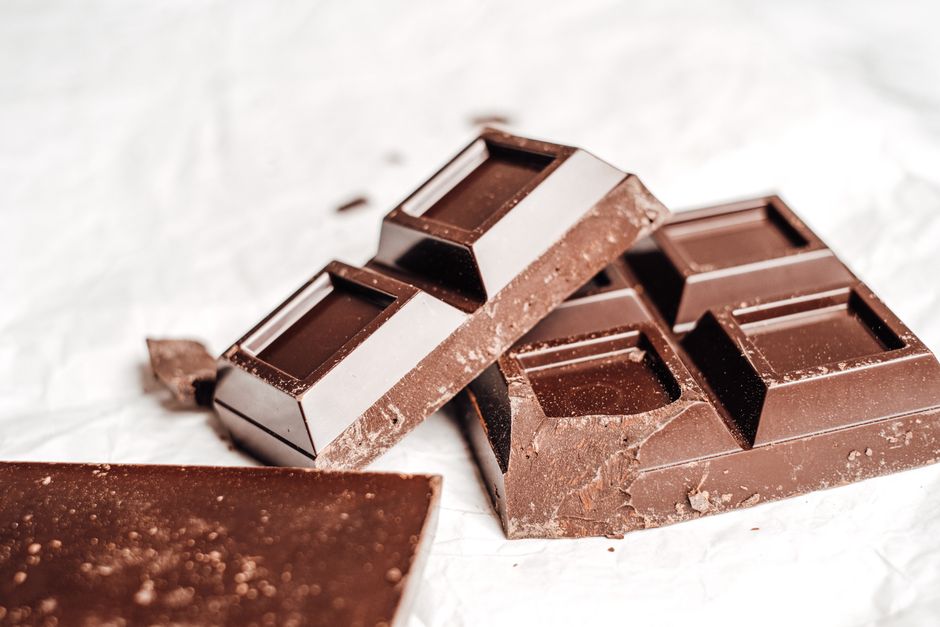
Dark chocolate gets its signature bitterness from the cocoa solids themselves. You cannot remove that bitterness completely without changing what makes dark chocolate dark. What you can do at home is balance the bitterness with sweetness, salt, fat, or complementary flavors so the chocolate tastes smoother and more enjoyable. The most reliable methods are adding a small amount of sugar or honey, pairing it with salt, or melting it with cream or butter to soften the intensity.
Why Is Dark Chocolate So Bitter in the First Place?
The bitterness comes from natural compounds in the cocoa bean. These include flavonoids and alkaloids, which are concentrated in the cocoa solids. The higher the percentage of cocoa, the more of these compounds are present. That is why a 90% dark chocolate bar tastes far more bitter than a 60% bar.
Roasting and fermentation also change the flavor. Longer fermentation and darker roasting tend to increase bitterness. Some manufacturers intentionally use these processes to create a bold, intense taste. When you buy a very dark bar, you are tasting the bean itself with very little added sugar to mask it.
How To Make Dark Chocolate Less Bitter At Home: The Core Methods
There are several ways to reduce perceived bitterness without destroying the chocolate. Each method works differently, and the best choice depends on how you plan to use the chocolate.
Add Sugar or a Sweetener
Adding sugar is the most direct way to balance bitterness. The sweetness does not remove the bitter compounds. It shifts the overall flavor balance so the bitterness is less dominant. Start with a small amount. For a single ounce of dark chocolate, about one teaspoon of sugar is a reasonable starting point, but you can adjust to taste.
Honey and maple syrup work too, but they add moisture. If you are melting chocolate, a small amount of liquid can cause it to seize and become grainy. If you use liquid sweeteners, add them while the chocolate is warm and stir constantly. Powdered sugar or granulated sugar dissolves more easily in melted chocolate than coarser sugars.
Use Salt to Cut Bitterness
A pinch of salt does not make chocolate taste salty. It reduces the perception of bitterness and can make the chocolate taste richer. Flaky sea salt sprinkled on top of melted chocolate or a finished chocolate dessert is a common technique. The salt crystals dissolve slowly, creating small bursts of contrast that distract from the bitter notes.
Add Fat: Cream, Butter, or Coconut Oil
Fat coats the tongue and changes how flavor compounds interact with your taste buds. Adding a small amount of heavy cream, butter, or coconut oil to melted dark chocolate makes it taste creamier and less harsh. This is essentially how chocolate ganache is made. The fat dilutes the concentration of bitter compounds per bite.
For every four ounces of dark chocolate, about one to two tablespoons of cream or butter is a reasonable starting range. More fat creates a softer, more sauce-like texture. Less fat keeps the chocolate closer to its original texture.
Pair It With Fruit or Other Flavors
Sweet or acidic fruits can balance bitterness without adding refined sugar. Orange zest is a classic pairing with dark chocolate. Raspberries and cherries also work well. The fruit’s natural sweetness and acidity provide contrast. Dried fruit, such as figs or dates, adds sweetness and a chewy texture that changes how you experience the chocolate.
Nut butters are another option. Almond butter or peanut butter mixed into melted dark chocolate adds fat, sweetness, and a mild flavor that softens the bitterness. This combination works especially well for making homemade chocolate cups or dipping treats.
Does Heating Dark Chocolate Change the Bitterness?
Heating chocolate does not chemically remove bitterness. It changes the texture and can change the flavor intensity. When chocolate is melted, the fat and solids separate slightly, which can make the chocolate taste smoother. However, overheating chocolate can make it taste burnt and more bitter. Chocolate should be melted gently, preferably in short bursts in the microwave or over a double boiler, and stirred frequently.
Some people find that letting melted chocolate sit for a few minutes allows some of the most volatile bitter compounds to dissipate. This is not a strong scientific effect, and it will not make a major difference. The reliable way to reduce bitterness is through added ingredients, not through heating alone.





What About Buying a Lower Percentage Cocoa Bar?
The simplest solution is often the most practical one. A bar labeled 70% cocoa will be noticeably less bitter than one labeled 85% or 90%. If you consistently find dark chocolate too bitter to enjoy, choosing a lower percentage is a direct fix. Many people who dislike 85% chocolate find that 60% to 70% is the sweet spot.
This is not a workaround. It is a legitimate choice. The health benefits associated with dark chocolate, such as flavonoid content, are still present in lower-percentage bars, though generally in smaller amounts than in very dark chocolate. If your priority is taste, a 60% to 70% bar is a reasonable middle ground.
Common Mistakes That Make Chocolate More Bitter
Some home preparation methods can accidentally increase bitterness. Avoiding these mistakes is just as important as knowing what to add.
- Overheating the chocolate. High heat burns the cocoa solids and creates an acrid, unpleasant bitterness. Melt chocolate slowly and never let it exceed about 120°F (49°C) for dark chocolate.
- Adding water. Even a few drops of water can make melted chocolate seize into a thick, grainy paste. Seized chocolate is not more bitter, but it is ruined in texture, and the concentrated flavor can taste harsh.
- Using stale chocolate. Old chocolate can absorb odors and develop off-flavors. If your chocolate has a white film on the surface, that is called fat bloom. It is safe to eat, but the texture may be chalky, which can make the bitterness more noticeable.
- Adding too much of a strong flavor. Coffee, chili, and mint are common additions to dark chocolate, but they can intensify the bitter or sharp notes. If you add these, start with very small amounts.
Does Adding Milk or Dairy-Free Milk Help?
Dairy milk contains fat and lactose, a natural sugar. Both help reduce bitterness. Adding a splash of milk to melted dark chocolate creates a milk chocolate-like flavor. The effect is similar to adding cream, but milk has more water, so the texture will be thinner. Use whole milk for the best results. Skim milk adds less fat and will not soften the flavor as effectively.
Dairy-free milk alternatives vary. Oat milk and coconut milk have more fat and natural sweetness than almond milk or rice milk. If you are avoiding dairy, oat milk or coconut milk are the better choices for balancing bitterness. Unsweetened almond milk is mostly water and will do very little to change the flavor.
What Is the Fastest Way To Make Dark Chocolate Taste Sweeter?
Melt the chocolate and stir in a small amount of honey or maple syrup. These are the quickest options because they dissolve immediately and do not require any additional preparation. The downside is that liquid sweeteners can make the chocolate seize if the chocolate is not warm enough. Melt the chocolate fully first, then add the sweetener while stirring continuously.
If you want a no-melt option, sprinkle a little sugar over the chocolate as you eat it. This works for a snack but is less practical for baking or making desserts. The sugar will not dissolve into the chocolate, so you will taste separate bursts of sweetness and bitterness rather than a blended flavor.
Frequently Asked Questions
Does adding salt make dark chocolate less bitter?
Yes, a small pinch of salt reduces the perception of bitterness and enhances the chocolate’s natural sweetness. Use flaky sea salt sparingly so the chocolate does not taste salty.
Will adding honey make melted chocolate less bitter?
Yes, honey adds sweetness that balances bitterness, but it can cause melted chocolate to seize if the chocolate is not warm enough. Stir continuously and add honey only after the chocolate is fully melted.
Does a lower cocoa percentage mean less bitterness?
Yes, chocolate with a lower cocoa percentage contains less of the bitter compounds found in cocoa solids. A 60% to 70% bar is noticeably less bitter than an 85% or 90% bar.
Can I make dark chocolate less bitter without adding sugar?
Yes, adding cream, butter, coconut oil, or pairing the chocolate with fruit or nut butter reduces the perception of bitterness without adding refined sugar. These ingredients add fat and flavor that soften the harsh notes.
