
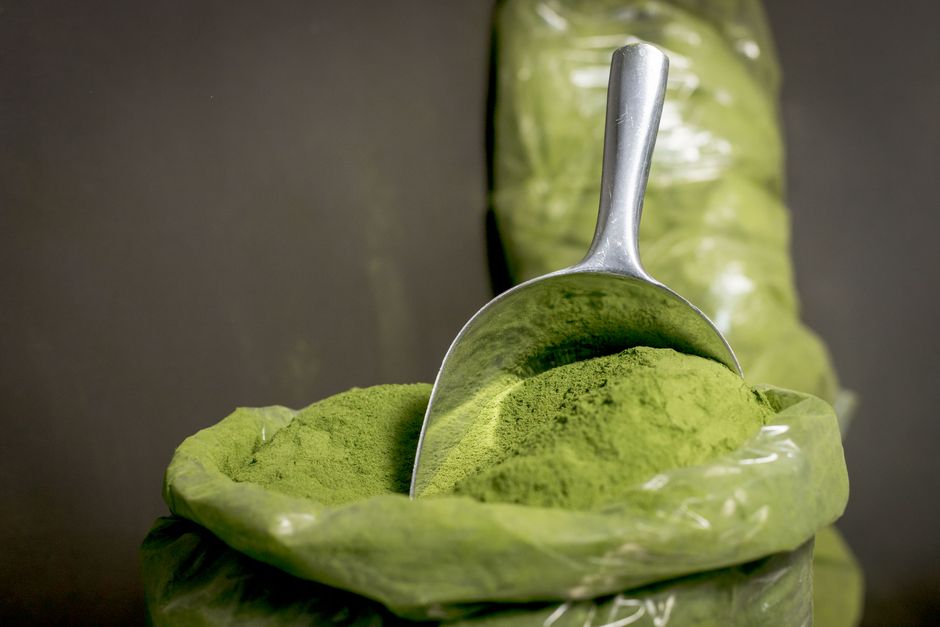
You can make color run powder at home using cornstarch and food coloring, and the basic recipe takes about 15 minutes of hands-on time plus a day or two of drying. Mix roughly one cup of cornstarch with a few drops of gel food coloring, work the color through until it is even, and let it dry completely before crushing it back into a fine powder. The result is a soft, bright powder that throws well and washes out of most clothing.
That is the short version. The rest of this article covers what actually works, what quietly fails, and the safety details most DIY guides skip.
What Is Color Run Powder Actually Made Of?
Commercial color powder is usually cornstarch or a similar fine starch blended with cosmetic-grade colorants. That is the whole formula. There is no secret ingredient, which is exactly why a homemade version can work well.
Cornstarch is the standard base for a few reasons. It is soft, lightweight, and throws into a cloud easily. It is also cheap and sold in every grocery store. Some recipes use rice flour or arrowroot powder as a substitute. Rice flour is heavier and tends to fall faster, so the cloud is smaller. Arrowroot behaves more like cornstarch but costs more.
The color comes from food coloring. Gel food coloring works better than liquid drops because it adds less water. Less water means faster drying and less clumping. Liquid coloring still works, you just need more drying time.
One thing worth knowing: the bright, vivid colors you see in commercial color runs often come from cosmetic-grade pigments, not grocery store food dye. Home recipes using food coloring tend to produce softer, pastel-leaning colors. That is a real limitation, not a flaw in your technique.
How To Make Color Run Powder Easy Diy Recipe
Here is the working method. It is simple, but the details matter more than most recipes admit.
What you need:
- Cornstarch (about 1 cup per color)
- Gel food coloring (a few drops per cup)
- A mixing bowl
- A fork or whisk
- A baking sheet lined with parchment paper
- A zip-top bag or airtight container
Steps:
- Pour one cup of cornstarch into a bowl.
- Add gel food coloring a few drops at a time. Start with less than you think you need.
- Mix with a fork, pressing the color into the powder. Keep going until the color is even and no white streaks remain.
- If the powder feels damp or forms clumps, spread it on a parchment-lined baking sheet.
- Let it air-dry for 24 to 48 hours. Stir it once or twice so the bottom dries too.
- Once dry, crush any clumps with the back of a spoon or run it through a fine sieve.
- Store in an airtight container or zip-top bag until you are ready to use it.
The drying step is where most people go wrong. Damp powder clumps in the hand and throws poorly. Give it the full drying time even if it looks dry on the surface.
If you want stronger color, add more gel coloring in small amounts rather than dumping it in. Too much liquid turns the cornstarch into a paste and you have to start over.
Why Does My Homemade Color Powder Clump Or Look Dull?
Clumping almost always means moisture. Food coloring is water-based, and cornstarch grabs water fast. If you mix and use it the same day, it will clump in your hand and throw in heavy blobs instead of a cloud.
Dull color has a different cause. Grocery store food dye is designed to color food, not to coat a starch particle and stay bright in open air. The color you see in the bowl is often stronger than what shows up in a cloud. Adding more dye helps up to a point, then it just makes the powder wet.
Two fixes that actually work:
- Use gel coloring instead of liquid drops. It carries more pigment per drop.
- Dry the powder fully, then sift it. Sifting removes the clumps and fluffs the powder so it throws better.
If your powder still looks pale after drying, that is the ceiling of what food coloring can do. Getting neon-bright results usually requires cosmetic-grade pigments, which are a different product with different safety considerations.




Is Homemade Color Powder Safe To Use?
Cornstarch and food coloring are food-grade, which makes them low-risk for skin contact. That is the main safety advantage of a homemade version. But food-grade does not automatically mean safe for every use.
The real risks with any color powder, homemade or commercial, come from inhalation and eye contact. Fine powder thrown into the air gets breathed in. For most healthy adults at a casual event, that is not a serious concern. For people with asthma or other lung conditions, it can be. Inhaled starch powder can irritate airways, and there are documented cases of breathing problems linked to color powder events.
A few honest points:
- Keep powder away from the face, eyes, and mouth.
- Anyone with asthma, a lung condition, or a starch allergy should not take part.
- Do not use it near infants or young children, who are more likely to inhale it or get it in their eyes.
- Avoid throwing powder in enclosed spaces where it cannot disperse.
Some commercial color powders have been linked to skin and eye irritation, and in rare cases more serious reactions. Homemade powder using food-grade ingredients avoids some of those unknowns, but it is not risk-free. Treat it as something to use outdoors, with care around the face.
Can You Use Natural Ingredients Instead Of Food Coloring?
You can, but manage your expectations. Natural colorants like beet powder, turmeric, spirulina, and cocoa powder can tint cornstarch, but the colors are muted and often fade.
Turmeric gives a strong yellow-orange. Beet powder gives a dull pinkish-red. Spirulina can give a green, though it fades over time. Cocoa gives brown. None of these produce the vivid neon colors people associate with color runs.
There is also a practical catch. Some natural powders stain skin and clothing more stubbornly than food coloring, and some have their own allergy concerns. Turmeric, for example, can stain fabric badly.
If you want a gentle, muted palette and you are not chasing bright color, natural ingredients are a reasonable choice. If you want the classic color run look, food coloring or cosmetic pigments are the realistic path.
How Should You Store And Use It?
Store homemade powder in an airtight container or a zip-top bag, kept dry and away from heat. Moisture is the enemy. A container left open in a humid room will slowly clump.
Stored properly, it keeps for months. There is no real expiration issue with cornstarch as long as it stays dry and clean.
When you use it, throw it low and outward rather than straight up at faces. A small cupful in each hand throws a decent cloud. You do not need much. Overloading your hands just wastes powder and makes a heavier mess.
For cleanup, shake off clothing outdoors before washing. Cornstarch and food coloring usually wash out of machine-washable fabrics, but set-in color on some materials can be stubborn. Wash soon after the event rather than letting it sit.
What About Buying Instead Of Making?
Commercial color powder is made with cosmetic-grade pigments that produce brighter, more consistent color than a homemade food-coloring version. It is also formulated to be finer and to throw more evenly.
The trade-off is that you do not control the ingredients. Some commercial powders have been linked to irritation and, in rare cases, more serious reactions. If you have sensitive skin, asthma, or allergies, making your own with ingredients you recognize gives you more control.
Neither option is clearly safer in every case. Homemade powder uses food-grade ingredients but can still irritate lungs and eyes. Commercial powder is brighter but has more variable ingredients. The safety basics are the same either way: outdoors, away from faces, and not for people with lung conditions.
Frequently Asked Questions
Can I make color run powder without cornstarch?
Yes, rice flour or arrowroot powder can replace cornstarch. Rice flour is heavier and throws a smaller cloud, while arrowroot behaves more like cornstarch but costs more.
How long does homemade color powder take to dry?
Plan on 24 to 48 hours of air drying, stirring once or twice. Using gel food coloring instead of liquid reduces the drying time because it adds less water.
Is homemade color powder safe for kids?
It is low-risk for skin contact, but fine powder should be kept away from the face and eyes. Young children are more likely to inhale it, so take extra care or avoid it for very young kids.
Does homemade color powder wash out of clothes?
It usually washes out of machine-washable fabrics, especially if you shake off the powder and wash soon after. Food coloring can stain some materials if it sits.
