
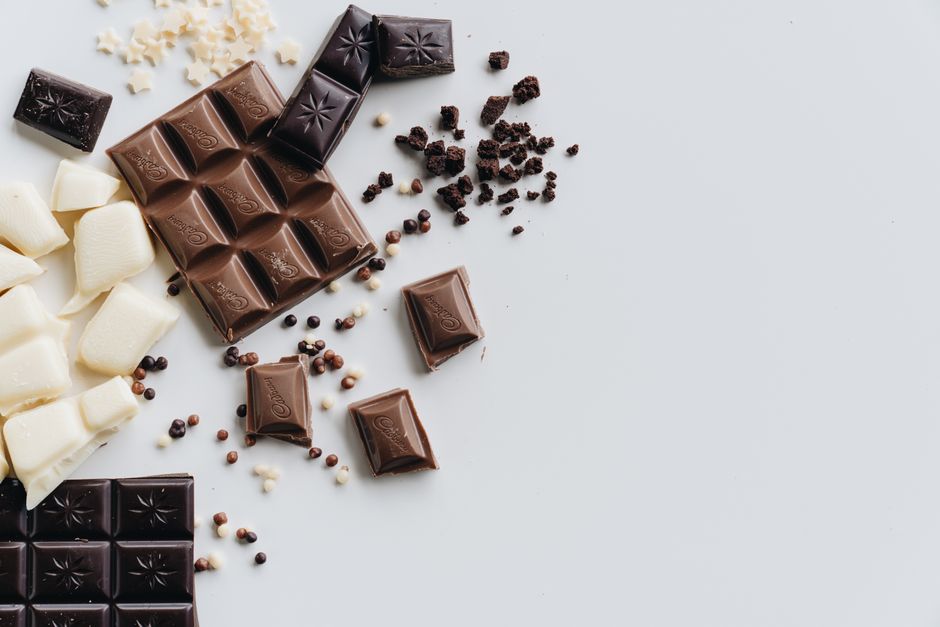
Melting a chocolate bar into cold milk sounds simple, but chocolate does not dissolve in cold liquid. The fat in chocolate — cocoa butter — hardens when it hits cold milk, leaving you with gritty flecks floating on top. The fix is heat. Warm a small amount of milk, stir in chopped chocolate until it melts into a smooth syrup, then combine that with the rest of the milk. That two-step method is how you get real chocolate milk from a bar instead of a glass of chocolatey sludge.
How To Make Chocolate Milk With A Chocolate Bar
You need three things: milk, a chocolate bar, and a way to melt the chocolate gently. The technique matters more than the ingredients.
Start by chopping the chocolate bar into small, even pieces. Smaller pieces melt faster and more evenly than a whole bar dropped into a pot. A rough chop with a knife is fine — you do not need uniform shavings.
Warm about a quarter cup of milk per serving in a saucepan over low heat. You want it warm, not boiling. Steam rising is a sign it is getting too hot. Add the chopped chocolate and stir constantly until it melts completely into the milk. The mixture should look like thin hot chocolate, glossy and smooth.
Take the pan off the heat. Pour in the rest of the cold milk and stir. This brings the drink down to a comfortable temperature while keeping the chocolate evenly blended. Taste it before adding anything sweet. Many chocolate bars are already sweet enough that extra sugar turns the drink cloying.
If you want it cold, chill it in the fridge rather than adding ice. Ice dilutes the drink and can cause the cocoa butter to firm up again.
How much chocolate per cup of milk?
There is no official standard, because it depends entirely on the bar. A typical milk chocolate bar contains more sugar and less cocoa than a dark bar, so you need less of it. As a starting point, about 1 ounce of chocolate per 8 ounces of milk produces a drink similar in richness to commercial chocolate milk. Adjust from there based on taste and on the cocoa percentage printed on the wrapper.
This is a matter of preference, not a measured recommendation. Nobody has run controlled trials on home chocolate milk ratios.
Why Chocolate Bars Do Not Dissolve in Cold Milk
Chocolate is a suspension of cocoa solids, sugar, and cocoa butter. The cocoa butter is what causes the problem. It is solid at room temperature and melts somewhere in the range of body temperature — which is why chocolate melts in your mouth but not in a cold glass of milk.
When you stir a chopped bar into cold milk, the cocoa butter stays solid. The sugar and cocoa particles trapped inside those fat crystals cannot disperse. You end up with a gritty layer that sinks or floats rather than a smooth drink.
Warm milk solves this because it melts the cocoa butter first. Once the fat is liquid, it can disperse through the milk, carrying the cocoa solids and sugar with it. This is essentially what happens in commercial chocolate milk production, just at an industrial scale with stabilizers added.
One detail worth knowing: chocolate that has been melted and then cooled can develop a whitish film called bloom. This happens when cocoa butter separates and re-crystallizes at the surface. Bloom is harmless and does not mean the chocolate has spoiled, but it can affect texture. It is one reason to avoid reheating chocolate milk repeatedly.
What Kind of Chocolate Bar Works Best?
Any real chocolate bar will work. The variable is how the final drink tastes.
- Dark chocolate (generally 60% cocoa or higher) gives a less sweet, more intense drink. It also contains more cocoa solids, which can settle if the drink sits.
- Milk chocolate dissolves into a sweeter, creamier drink that tastes closest to what most people expect from chocolate milk.
- White chocolate contains no cocoa solids at all — only cocoa butter, sugar, and milk solids. It makes a sweet vanilla-flavored drink, not a chocolate one.
- Chocolate chips or candy melts are not the same thing. Chips often contain stabilizers that help them hold their shape in cookies, which means they resist melting smoothly into liquid.
Check the label for “cocoa butter” rather than “vegetable oil” or “palm oil.” Some inexpensive bars substitute other fats, which changes how the chocolate melts and how the drink tastes.




Can You Make It Without Heating the Milk?
Yes, but the texture suffers. If you cannot use a stove, the next best option is to melt the chocolate separately first — in short bursts in a microwave, stirring between each burst — then whisk a spoonful of warm milk into the melted chocolate to loosen it before adding it to the cold milk.
This is the same principle bakers use when tempering chocolate into a liquid. Adding a small amount of warm liquid to melted chocolate keeps it fluid. Adding cold liquid directly to melted chocolate can cause it to seize — turning into a stiff, grainy paste that will not blend into anything.
Shaking everything together in a sealed jar is a common shortcut. It works better than plain stirring, but it still leaves small flecks of solid cocoa butter unless the milk is at least room temperature. The result is drinkable but not smooth.
How This Compares to Store-Bought Chocolate Milk
Homemade and commercial chocolate milk are different products. Commercial versions are formulated for shelf stability and consistent texture, which means they typically contain ingredients you would not add at home.
Commercial chocolate milk often includes stabilizers such as carrageenan or cellulose gum, plus added vitamins A and D in the case of reduced-fat versions. The cocoa is usually processed into a fine powder rather than melted from a bar, which is why it blends so evenly.
Nutritionally, the biggest difference is control. When you make it yourself, you decide how much chocolate goes in. A typical commercial chocolate milk contains roughly the same amount of added sugar as a comparable serving of soda — the exact amount varies by brand and product. Homemade versions can be lower in sugar if you use a darker bar, though darker chocolate is not sugar-free.
Chocolate milk also contains small amounts of caffeine and theobromine from cocoa. The amounts are modest — considerably less than coffee — but they are not zero, which matters for anyone limiting caffeine intake or serving chocolate milk to children in the evening.
Common Mistakes and How to Avoid Them
Most failed attempts at chocolate milk come down to one of a few problems.
- Boiling the milk. High heat can scald milk, giving it a cooked flavor, and can cause the chocolate to separate. Keep the heat low.
- Adding chocolate to cold milk and hoping. It will not blend. Warm at least part of the milk first.
- Using too much chocolate. Beyond a certain point the cocoa butter overwhelms the milk and the drink turns thick and coating rather than refreshing.
- Letting it sit. Homemade chocolate milk separates as it stands because it has no stabilizers. Stir or shake it again before drinking.
- Reheating repeatedly. Each cycle increases the chance of bloom and separation. Make what you plan to drink.
None of this is complicated. It is the same basic chemistry as melting chocolate for baking, applied to a glass of milk.
Frequently Asked Questions
Can I use any chocolate bar to make chocolate milk?
Any bar made with real cocoa butter will work, including dark, milk, and white chocolate. Bars that use vegetable oil or palm oil instead of cocoa butter melt differently and may not blend as smoothly.
Why does my chocolate milk turn gritty?
The milk was too cold when the chocolate went in, so the cocoa butter stayed solid and never dispersed. Warming part of the milk before adding the chocolate prevents this.
How much chocolate should I use per cup of milk?
About 1 ounce of chocolate per 8 ounces of milk is a reasonable starting point. There is no official standard, so adjust based on the cocoa percentage of your bar and how sweet you want the drink.
Is homemade chocolate milk healthier than store-bought?
It depends on the chocolate you use, but homemade gives you control over the added sugar. Commercial chocolate milk typically contains stabilizers and roughly as much added sugar as a comparable serving of soda.
