

Diarrhea is your body’s way of flushing something out quickly, and the fastest way to feel better is to replace lost fluids and electrolytes while letting your system settle. For most adults, the quickest relief comes from drinking an oral rehydration solution, eating bland foods like saltines or plain rice, and avoiding dairy, caffeine, and heavy or greasy meals for a day or two. If you have a fever above 102°F, blood in your stool, or diarrhea lasting more than 48 hours, contact a doctor rather than trying to manage it at home.
What To Do When Having Diarrhea For Fast Relief
The most urgent step is replacing fluids and electrolytes. Diarrhea pulls water and salt out of your body faster than normal, and dehydration can make you feel worse than the diarrhea itself. An oral rehydration solution — which contains water, salt, and sugar in specific amounts — is the most effective choice. You can buy these as premade packets or powders at a pharmacy. Sports drinks are not a substitute because they do not contain the right balance of salt and sugar for diarrhea.
If you cannot get an oral rehydration solution, you can make one at home by mixing 6 level teaspoons of sugar and 1/2 level teaspoon of salt into 1 liter of clean drinking water. This is a World Health Organization–recognized formula. Drink small sips frequently rather than gulping large amounts at once.
What Foods Help Stop Diarrhea Quickly
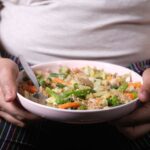
Once you have fluids moving, the next step is food. The BRAT diet — bananas, rice, applesauce, and toast — has been recommended for decades. It works because these foods are low in fiber and gentle on the digestive tract. Bananas also provide potassium, which diarrhea depletes. Plain white rice, saltine crackers, boiled potatoes without skin, and clear broths are also good options.
Eat small portions. A full meal can trigger another bowel movement before your gut has settled. Start with a few saltines or a small bowl of rice and see how your body responds over the next hour or two. If that stays down, you can gradually add more bland foods.
Some research suggests that certain foods may shorten a diarrhea episode. Studies have looked at fermented foods like yogurt with live cultures, but dairy can worsen diarrhea in some people. Probiotic supplements have shown mixed results. Some evidence supports them for antibiotic-associated diarrhea, but they are not a fast remedy for an active episode.
What to Avoid When You Have Diarrhea
Certain foods and drinks will make diarrhea worse or slow your recovery. Dairy products are a common trigger because diarrhea temporarily reduces the enzyme lactase that digests milk sugar. Even if you are not normally lactose intolerant, a glass of milk or a cheese sandwich can prolong symptoms.
Caffeine is another problem. Coffee, tea, and energy drinks stimulate the digestive tract and speed up bowel movements. Alcohol does the same and also dehydrates you. Greasy, fried, or heavily spiced foods force your gut to work harder while it is already irritated. Sugar-free gum and candies containing sorbitol or mannitol can draw water into the intestines and worsen diarrhea.
Fruit juices, especially apple and pear juice, are high in sugars that can pull water into the gut. Stick to water, clear broth, or oral rehydration solution until symptoms improve.



When to Use Anti-Diarrheal Medications
Over-the-counter medications like loperamide (Imodium) can slow diarrhea, but they are not always the right choice. Loperamide works by slowing the movement of the intestines, which gives the body more time to absorb water. It is effective for mild, non-feverish diarrhea in adults.
Do not use loperamide if you have a fever or blood in your stool. Those signs suggest a bacterial infection, and slowing the gut could keep the bacteria inside your body longer. Bismuth subsalicylate (Pepto-Bismol) is a different option. It reduces inflammation in the intestinal lining and may help with mild traveler’s diarrhea. It can turn your tongue and stool dark, which is harmless but can alarm people who do not expect it.
Neither medication is recommended for children without a doctor’s guidance. Dehydration is the bigger risk in children, and the focus should be on fluids.
How Long Does Diarrhea Usually Last
Most cases of acute diarrhea resolve on their own within 24 to 48 hours. Viral infections are the most common cause in adults, and the body clears them without specific treatment. Bacterial infections may last longer and sometimes require antibiotics, but most clear without them.
You should see a doctor if diarrhea lasts more than 48 hours without improvement, if you cannot keep fluids down for more than 12 hours, or if you show signs of dehydration. Signs include dark urine, dizziness when standing, extreme thirst, and a dry mouth. In older adults and people with chronic conditions, dehydration can develop faster, so do not wait the full 48 hours if you feel significantly unwell.
What Causes Diarrhea in the First Place
Diarrhea happens when the intestines fail to absorb water properly or when they secrete extra fluid into the bowel. The most common triggers are viral infections, food poisoning, and medications. Antibiotics are a frequent cause because they disrupt the normal balance of bacteria in the gut.
Food poisoning from bacteria like Salmonella or E. coli typically causes diarrhea within hours of eating contaminated food. Symptoms usually resolve within a few days. Parasitic infections are less common but can cause diarrhea that lasts for weeks. If diarrhea persists beyond a few weeks, it is considered chronic and requires medical evaluation.
Certain medical conditions — irritable bowel syndrome, inflammatory bowel disease, and celiac disease — can cause recurring diarrhea. If you have episodes that come and go over months, or if diarrhea wakes you from sleep, mention this to your doctor. Diarrhea that wakes you from sleep is not typical of a simple viral infection and deserves investigation.
Preventing Diarrhea While Traveling
Traveler’s diarrhea is one of the most common health problems for people visiting developing countries. It is caused by consuming food or water contaminated with bacteria. The most effective prevention is careful food and water choices.
Drink bottled water with a sealed cap, avoid ice cubes, and do not eat raw vegetables or unpeeled fruit. Hot, freshly cooked food is generally safe. Street food can be risky if you cannot confirm it was cooked thoroughly. Some clinicians recommend bismuth subsalicylate as a preventive measure for short trips, but it is not appropriate for everyone. Antibiotic prophylaxis is reserved for specific high-risk situations and should be discussed with a doctor.
When Diarrhea Is an Emergency
Most diarrhea is uncomfortable but not dangerous. Some situations require immediate medical attention. Blood or pus in the stool, a fever above 102°F, severe abdominal pain, and signs of severe dehydration are all reasons to seek care promptly.
In infants and young children, diarrhea can become dangerous quickly. Signs of dehydration in children include no wet diaper for three or more hours, crying without tears, a sunken soft spot on the head, and unusual drowsiness. Older adults with heart conditions or kidney disease should also be cautious because dehydration can affect their medications and organ function.
Frequently Asked Questions
Does drinking water alone stop diarrhea?
Water prevents dehydration but does not replace the salt and sugar your body loses.
Is it better to let diarrhea run its course?
For mild diarrhea without fever, letting it pass is usually fine and may help clear the cause.
Can I eat yogurt when I have diarrhea?
Plain yogurt with live cultures may help some people, but dairy can worsen symptoms in others.
How fast does an oral rehydration solution work?
Fluid replacement begins working within 30 to 60 minutes, but full recovery takes one to two days.
