
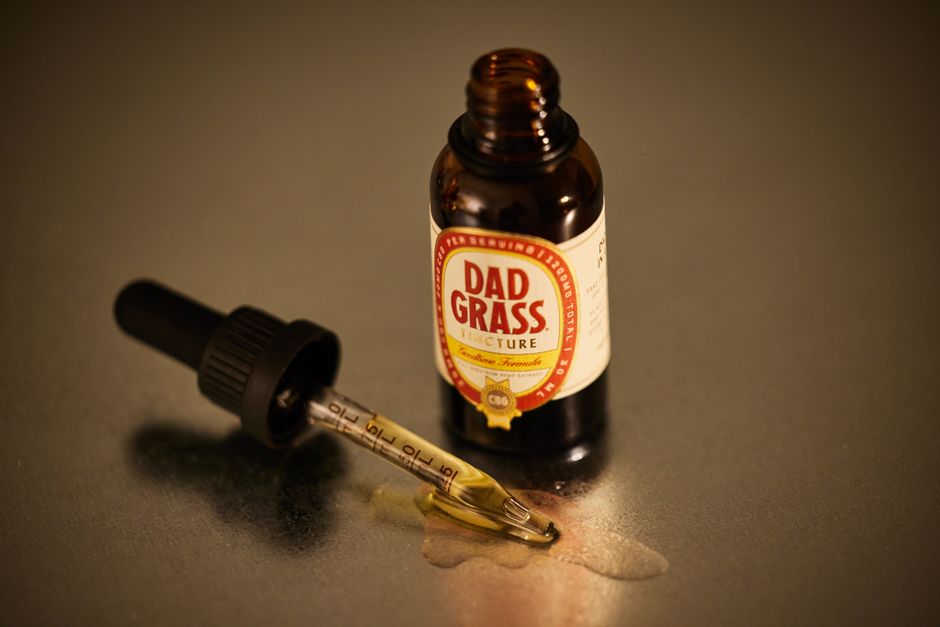
Making a cannabis tincture without alcohol is straightforward: you replace the alcohol with a food-grade solvent like vegetable glycerin or MCT oil. Both methods use gentle heat over several hours to pull cannabinoids from the plant material into the liquid. The result is a shelf-stable, alcohol-free extract you can take by mouth or add to food.
Why Choose an Alcohol-Free Tincture?
Alcohol-based tinctures have been the standard for over a century. Ethanol is an excellent solvent that extracts cannabinoids quickly and completely. But not everyone can or should use alcohol.
Some people avoid it for personal, religious, or health reasons. Others use tinctures for children or pets, where alcohol is not appropriate. Alcohol also has a harsh taste that many people dislike under the tongue.
Glycerin and MCT oil solve these problems. Both are flavor-neutral or slightly sweet, safe to swallow, and widely available at grocery stores and online. They do not produce the burning sensation that alcohol tinctures can cause when placed under the tongue.
What You Need Before You Start
Gather your supplies first. You will need the following:
- Decarboxylated cannabis flower (about 3.5 to 7 grams)
- Vegetable glycerin or MCT oil (1 cup)
- A double boiler or slow cooker
- A fine mesh strainer or cheesecloth
- A glass jar with a tight lid for storage
- A kitchen scale
Decarboxylation is the most important step. Raw cannabis contains THCA, which is not psychoactive. Heating the flower at around 240°F (115°C) for 30 to 40 minutes converts THCA into THC. Skip this step and your tincture will have little to no effect.
Do not skip decarboxylation. It is the difference between an active medicine and a bottle of flavored oil.
Step-by-Step: Glycerin Tincture Method
Vegetable glycerin is a sweet, syrupy liquid derived from plant oils. It extracts cannabinoids less efficiently than alcohol, so it needs more time and heat.
Start by grinding your decarboxylated flower into a coarse consistency. Not too fine — a powder will be hard to strain and can make the final product cloudy.
Combine the ground flower and glycerin in your double boiler or slow cooker. Set the heat to low, around 160°F to 180°F (70°C to 82°C). Do not let it boil. Boiling degrades cannabinoids and ruins the batch.
Let the mixture steep for 4 to 6 hours. Stir every 30 minutes to keep the plant material evenly suspended. The glycerin will gradually take on a greenish-brown color as it extracts the cannabinoids.
After steeping, strain the mixture through cheesecloth or a fine mesh strainer. Squeeze the cloth firmly to extract every drop of liquid. Store the finished tincture in a dark glass dropper bottle.


Step-by-Step: MCT Oil Tincture Method
MCT oil is a fractionated coconut oil that stays liquid at room temperature. It extracts cannabinoids more efficiently than glycerin and has a longer shelf life.
Use the same process as the glycerin method. Grind your decarboxylated flower, combine it with MCT oil in your double boiler or slow cooker, and heat gently at 160°F to 180°F (70°C to 82°C).
MCT oil needs less time than glycerin. Two to three hours is usually sufficient. Stir occasionally during the process.
Strain and store the same way. MCT oil tinctures are more potent than glycerin versions because the oil binds more readily with cannabinoids. Many users find them stronger per drop.
Which Solvent Works Better?
| Property | Vegetable Glycerin | MCT Oil |
|---|---|---|
| Extraction efficiency | Lower | Moderate |
| Steep time | 4 to 6 hours | 2 to 3 hours |
| Shelf life | Several months | Up to a year or more |
| Taste | Sweet | Neutral, slightly nutty |
| Best for | Beginners, sweet flavor preference | Potency, longer storage |
Neither solvent extracts cannabinoids as completely as alcohol does. Ethanol pulls nearly all available cannabinoids from the plant. Glycerin and MCT oil leave more behind. This means your alcohol-free tincture may be less potent than an alcohol version made from the same amount of flower.
You can compensate by using more flower or by accepting a milder product. Some people make two passes with fresh solvent over the same plant material to increase yield.
How to Dose Your Tincture
Dosing is where most people make mistakes. Start low and go slow. This advice applies to every cannabis product, but especially to homemade ones where potency varies.
A common starting dose is 0.5 to 1 milliliter, which is roughly one full dropper. Place it under your tongue and hold it there for 60 to 90 seconds before swallowing. This allows some absorption through the mucous membranes, which works faster than digestion.
Wait at least 2 hours before taking more. Edible cannabis taken through the digestive tract can take 45 minutes to 2 hours to produce effects. Taking more too soon is the most common cause of uncomfortable experiences.
No clinical guidelines exist for homemade tincture dosing. The potency of your batch depends on the strain, the quality of your decarboxylation, and the extraction efficiency of your solvent. Keep a journal of your doses and effects to find what works for you.
Storing Your Alcohol-Free Tincture
Proper storage protects your tincture from degrading. Cannabinoids break down when exposed to light, heat, and oxygen.
Store your tincture in a dark glass bottle with a tight seal. Amber or cobalt blue dropper bottles are ideal. Keep it in a cool, dark place like a kitchen cabinet or pantry. Avoid windowsills and spots above the stove.
MCT oil tinctures can last up to a year when stored properly. Glycerin tinctures typically last several months. If you notice mold, an off smell, or a change in color, discard the batch. Glycerin can spoil if moisture gets in.
Refrigeration extends shelf life for both types. Cold storage slows oxidation and prevents microbial growth. Some people prefer refrigeration for glycerin tinctures because they spoil faster.
Common Mistakes and How to Avoid Them
Several errors can ruin a batch or make it unsafe. Here are the most common ones.
Skipping decarboxylation. This is the number one mistake. Raw cannabis will not produce psychoactive effects. Always heat your flower before infusing.
Overheating the solvent. Temperatures above 200°F (93°C) can destroy cannabinoids and terpenes. Keep your heat low and steady. A candy thermometer helps you monitor the temperature.
Grinding flower too finely. Powdered cannabis passes through most strainers and leaves a gritty texture in your tincture. A coarse grind is easier to strain and produces a cleaner final product.
Not squeezing the plant material. The flower holds a significant amount of infused solvent. Squeeze it firmly to recover every drop. You can lose up to a third of your liquid if you skip this step.
Frequently Asked Questions
How long does an alcohol-free cannabis tincture last?
MCT oil tinctures last up to a year when stored in a cool, dark place. Glycerin tinctures last several months and may need refrigeration to prevent spoilage.
Is an alcohol-free tincture as strong as an alcohol tincture?
No. Alcohol extracts cannabinoids more completely than glycerin or MCT oil, so alcohol tinctures are typically more potent from the same amount of flower. You can use more flower to increase the strength of an alcohol-free version.
Can I use already-vaped flower (AVB) to make a tincture?
Yes. Already-vaped flower is already decarboxylated from the vaping process, so you can skip that step. It will produce a weaker tincture because much of the THC has already been extracted during vaping.
How much cannabis should I use per cup of solvent?
Most home recipes use 3.5 to 7 grams of decarboxylated flower per cup of glycerin or MCT oil. Start with less and adjust based on your experience with the finished product.
