
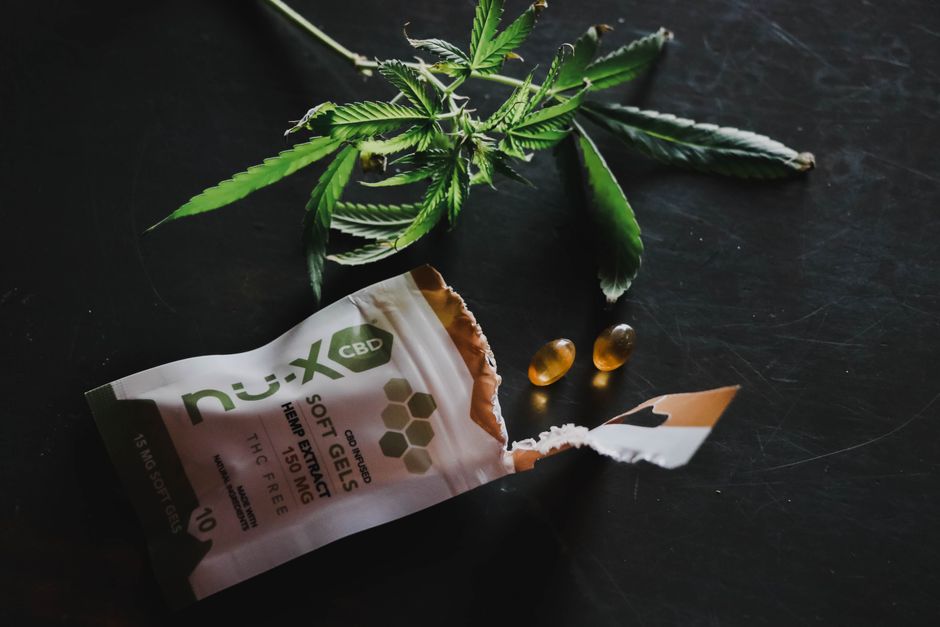
Cannabis leaves are the fan-shaped foliage of the cannabis plant, and they are not the part of the plant that produces the psychoactive compound THC in meaningful amounts. That distinction matters, because it shapes almost everything about how the leaves can be used. You can cook with them, juice them, brew them into tea, or dry them for topical preparations — but the effects and the risks are very different from those of cannabis buds or extracts.
The short answer: cannabis leaves can be used as a leafy green in cooking and juicing, as an ingredient in teas and tinctures, and in homemade topical salves. They contain little to no THC, so they will not get you high in any realistic culinary amount. They do contain other plant compounds, and the evidence on most of their supposed benefits is thin. Treat them as a food and a folk remedy, not a medicine.
What Is Actually in a Cannabis Leaf?
The leaves contain far less THC than the flower buds. In most cannabis plants, THC is concentrated in the resin-producing glands on the buds and sugar leaves, not on the large fan leaves. Fan leaves are typically discarded or composted by commercial growers for this reason.
What the leaves do contain is a mix of plant compounds:
- Cannabinoids in small amounts. Trace THC and CBD, along with their acidic precursors THCA and CBDA, which are present in the raw plant before heating.
- Terpenes. Aromatic compounds also found in citrus, pine, and hops. These give cannabis its smell.
- Flavonoids. Plant pigments and antioxidants, including a group sometimes called cannflavins that appears largely specific to cannabis.
- Chlorophyll and other leafy-green nutrients. Similar to what you would find in kale or spinach, though the exact nutritional profile of cannabis leaves is not well documented in USDA data.
One clarification worth making: the idea that raw cannabis leaves are “non-psychoactive” is broadly true in practice, but not because they contain zero THC. They contain small amounts. Eating a handful of leaves will not produce a high. Concentrating large quantities into an extract is a different situation and can carry THC.
How To Use Cannabis Leaves in Cooking
Cannabis leaves can be treated like a bitter leafy green. They work in soups, stews, pesto, and saag-style dishes, usually blended or cooked down because the raw texture is tough and the flavor is grassy and slightly bitter.
A few practical points:
- Remove the stems. They are fibrous and unpleasant to chew.
- Cook or blend them. Raw leaves are tough. Heat softens them, though it also degrades some heat-sensitive compounds.
- Expect bitterness. Blanching in salted water for a minute or two before cooking can reduce it.
- Do not expect a high. A serving of cooked leaves contains too little THC to produce intoxicating effects in most people.
If you are cooking with leaves from a plant you grew yourself, you know what you have. If you are using leaves from an unknown source, you do not — and that is a real concern. Cannabis plants can carry pesticide residues, mold, and heavy metals depending on how they were grown. Leaves are not regulated as food in most of the US.
Can You Juice Cannabis Leaves?
Juicing raw cannabis leaves is a popular practice, and it is one where the marketing has run well ahead of the evidence. The claim is that raw leaves deliver THCA and CBDA, which are not psychoactive, along with chlorophyll and antioxidants.
The chemistry part is accurate. THCA and CBDA are the acidic forms of THC and CBD. They do not produce a high because they do not bind the same way to the body’s cannabinoid receptors. Heat — through smoking, vaping, or cooking — converts them into their active forms through a process called decarboxylation.
What is not established is whether drinking raw cannabis juice produces meaningful health benefits in humans. No large human trials have confirmed the claims made for it. Some early laboratory research has looked at THCA and CBDA, but lab findings do not translate automatically into clinical benefit.
If you juice cannabis leaves, the practical cautions are:
- Start with a small amount and see how you feel.
- Blend with other vegetables or fruit to make it drinkable.
- Do not juice leaves from plants treated with pesticides not approved for food crops.
- Be aware that if you juice enough raw plant material, you may consume more THC than you expect — especially from sugar leaves close to the buds.





Are Cannabis Leaf Teas and Tinctures Worth Making?
Tea and tinctures are the most common home preparations, and they are also the least predictable in terms of what you actually get.
For tea, steeping dried leaves in hot water extracts water-soluble compounds like chlorophyll and some flavonoids, plus a small amount of cannabinoids. Cannabinoids are not very water-soluble, so a plain water infusion captures relatively little of them. Adding a fat — milk, cream, or a plant-based fat — improves extraction because cannabinoids are fat-soluble.
For tinctures, alcohol extracts cannabinoids and terpenes more efficiently than water. A common home method is to soak dried leaves in high-proof alcohol for several weeks, strain, and store in a dropper bottle. This is a folk method, not a standardized one. The potency will vary widely depending on the leaf material, the alcohol strength, and the soak time.
Two honest caveats. First, no clinical guidelines exist for cannabis leaf tea or tincture dosing, because these preparations have not been standardized or studied as medicines. Second, tinctures made from leaves with even trace THC can accumulate meaningful THC if you concentrate enough plant material — which is exactly how some people unintentionally overdo it.
Topical Uses: Salves, Balms, and Oils
Cannabis leaves are commonly infused into oils and turned into topical salves. The appeal is that topicals do not produce a high, so people who want to avoid psychoactive effects can still use them.
Infused oil is made by heating the leaves gently in a carrier oil — olive, coconut, or similar — for a period of time, then straining. The oil is then thickened with beeswax or shea butter to make a salve.
The evidence on topical cannabinoids for pain or skin conditions is mixed. Some studies suggest topical CBD may help with certain types of localized pain, while others show no clear benefit. There is not enough consistent evidence to say cannabis leaf salves reliably treat anything. That does not mean they do nothing — it means the research has not settled the question.
What is worth knowing: topicals made at home are not sterile, and they can spoil. Store them in the refrigerator and discard them if the smell or texture changes.
What Are the Real Risks?
The risks of cannabis leaves are mostly about what else is on them and how much you consume, not about the leaves themselves.
- Contaminants. Pesticides, mold, and heavy metals are the biggest concern with unregulated plant material.
- Unintended THC intake. Concentrating leaves into extracts or eating large amounts of sugar leaves can deliver more THC than expected.
- Drug interactions. Cannabinoids can interact with certain medications, including some blood thinners and anti-seizure drugs. This is more relevant with concentrated products than with a few leaves in soup.
- Pregnancy and breastfeeding. No clinical guidelines currently exist for cannabis use in these populations, and major health organizations advise against it. This applies to leaves as well as other plant parts.
- Legal exposure. Cannabis remains illegal at the federal level in the US, and state laws vary. Possessing or processing plant material can carry legal risk depending on where you live.
If you take prescription medications, talk to your doctor or pharmacist before using cannabis products of any kind, including leaves.
Do Cannabis Leaves Have Any Proven Health Benefits?
No. There is no established clinical evidence that cannabis leaves treat or prevent any disease.
That is a blunt statement, and it is the accurate one. Cannabis leaves are not an approved medicine anywhere, and the research on them specifically — as opposed to isolated cannabinoids like CBD — is very limited. Most of what circulates online is based on lab studies, animal studies, or personal reports, none of which establish that a treatment works in people.
That does not make the leaves worthless. They are a plant food with a nutritional profile roughly comparable to other leafy greens, and people enjoy cooking with them. But the gap between “this is a food” and “this is a medicine” is large, and the cannabis leaf sits firmly on the food side.
If you are considering cannabis leaves for a specific health condition, the honest position is that we do not know if they help, and the evidence is not strong enough to recommend them for that purpose. Talk to a clinician who can evaluate your situation.
Frequently Asked Questions
Can you get high from smoking or eating cannabis leaves?
No, not from a normal amount. Fan leaves contain only trace THC, far too little to produce intoxicating effects. Concentrated extracts made from large quantities of leaves are a different matter and can contain meaningful THC.
Are cannabis leaves safe to eat?
They are generally considered edible, but the safety concern is contamination rather than the leaf itself. Leaves from plants treated with pesticides not approved for food, or that have mold, should not be eaten.
What can you make with cannabis leaves?
Common uses include soups, pesto, and other cooked dishes, fresh juice, tea, alcohol tinctures, and infused oils for topical salves. None of these have established clinical benefits.
Do cannabis leaves have CBD?
They contain small amounts of CBD and its acidic precursor CBDA, but at much lower levels than the flower buds. The exact amount varies widely by plant and growing conditions.
