
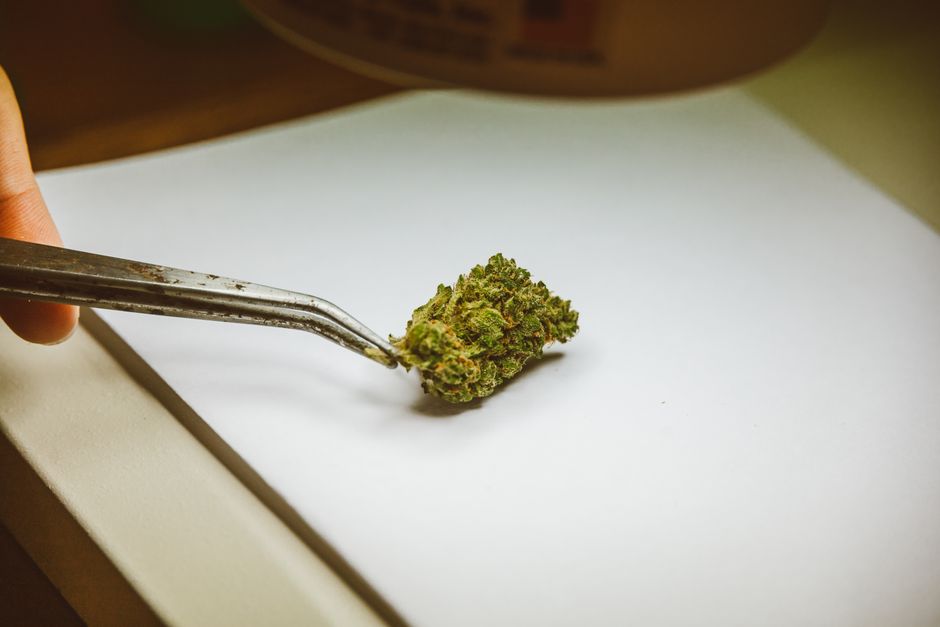
Processing cannabis from harvest to extraction starts with cutting whole plants at the base and hanging them upside down in a dark, ventilated space, then removing fan leaves, trimming sugar leaves, and letting the flower cure in sealed containers before any extraction work begins. That sequence matters because each stage changes the plant’s chemistry in ways that carry through to the final product. Rush the drying and you get mold. Rush the cure and you get harsh smoke. Extract from poorly stored material and you pull along compounds nobody wanted.
How To Process Cannabis From Harvest To Extraction
The full pipeline runs through five stages in order: harvest, drying, trimming, curing, and extraction. Skipping or compressing any stage changes the outcome, and in some cases creates real safety problems.
Here is what each stage actually involves.
- Harvest — cut the plant, remove large fan leaves, and hang or rack the material.
- Drying — slowly reduce moisture in a dark, ventilated space over roughly one to two weeks.
- Trimming — separate sugar leaves from flower; the two go to different uses.
- Curing — seal dried flower in containers and let it rest, burping regularly, for several weeks.
- Extraction — use solvents, heat, pressure, or mechanical separation to isolate cannabinoids and terpenes.
Note the order. You do not extract from fresh wet plant material unless you are specifically making a fresh-frozen product, which is a different process with its own handling requirements. For most home and small-scale work, dried and cured flower is the starting point.
When Should You Harvest Cannabis Plants?
Harvest timing is decided by watching the trichomes — the tiny resin glands on the flower — not by the calendar alone.
Trichomes shift color as the plant matures. Clear trichomes generally indicate cannabinoids are still developing. Cloudy or milky trichomes are the usual signal that THC content is near its peak. Amber trichomes indicate THC is degrading into CBN, a different cannabinoid associated with sedation. Growers commonly aim for a mix of cloudy and some amber, with the exact ratio depending on the desired effect.
A few practical points:
- Check trichomes on the flower itself, not on the sugar leaves, which mature earlier and can mislead you.
- Use a magnifier or a jeweler’s loupe — trichome color is not visible to the naked eye.
- Harvest in the morning if practical, before heat stress builds up on the plant.
- Stop feeding and watering on a normal schedule in the days before harvest; many growers reduce watering but this is practice, not a proven requirement.
There is no single correct harvest date. Two plants from the same batch can mature days apart. Check each one.
How Do You Dry Cannabis After Harvest?
Drying removes most of the plant’s moisture slowly enough that it does not rot and evenly enough that the flower does not dry unevenly on the outside while staying wet inside.
Hang whole branches or the entire plant upside down in a dark room with good air circulation and low humidity. Direct light degrades cannabinoids and terpenes. Standing water or poor airflow invites mold. Aim for a slow dry — commonly cited as roughly one to two weeks — rather than a fast one.
You can tell drying is done when small stems snap rather than bend. Larger stems bending without snapping usually means the flower still holds too much internal moisture.
Temperature and humidity matter here. Too warm and you drive off volatile terpenes. Too humid and you risk mold, which is a genuine health hazard, not just a quality issue. Moldy cannabis should not be smoked, vaped, or extracted — the spores and any mycotoxins they produce are not removed by most extraction methods.
What Is the Difference Between Trimming and Curing?
Trimming is physical separation. Curing is chemical and biological change over time. They happen in sequence and serve different purposes.
Trimming means cutting away the fan leaves and sugar leaves from the dried flower. Fan leaves are large and low in cannabinoids. Sugar leaves are small, frosty, and contain meaningful resin. Many growers keep sugar leaves for edibles, tinctures, or lower-grade extracts rather than discarding them. The trimmed flower is the premium product.
Curing means sealing the dried flower in an airtight container and letting it rest, typically for two to four weeks or longer. During this time, residual moisture equalizes through the material, chlorophyll breaks down, and the smell and taste improve. You open the containers periodically — called burping — to release built-up moisture and gases. Skip burping and you risk mold even in flower that dried correctly.
Curing does not increase THC content. It improves how the material burns and tastes, and it stabilizes moisture so the flower stores well. That distinction gets lost in a lot of online discussion.
What Are the Main Extraction Methods?
Extraction methods fall into a few broad categories based on what does the separating: a solvent, heat and pressure, or mechanical force.
| Method | How it works | Notes |
|---|---|---|
| Solvent extraction | Dissolves cannabinoids and terpenes with a solvent, then purges the solvent | Requires proper purging; residual solvent is a health concern |
| Heat and pressure | Presses heated flower to squeeze out resin | No solvent; lower yield than solvent methods |
| Mechanical separation | Agitates and sifts trichomes off the plant material | Produces kief or hash; no solvent involved |
| CO2 extraction | Uses pressurized carbon dioxide as the solvent | Industrial scale; equipment is not a home setup |
Solvent-based extraction using flammable solvents like ethanol or hydrocarbons carries serious fire and explosion risk if done without proper equipment and ventilation. This is not a minor caution. Home solvent extraction has caused fires and injuries. Commercial operations use closed-loop systems and controlled environments for this reason.
Solventless methods — pressing and mechanical sifting — avoid that specific hazard. They still require care with heat and equipment, but the fire risk is fundamentally different.
Whichever method you use, the quality of the starting material sets the ceiling. Well-dried, well-cured flower extracts better than material that was rushed or stored badly. You cannot extract quality that was never there.
Why Does the Order of These Steps Matter?
Each stage affects the next. Drying too fast traps chlorophyll and produces a harsh product that curing cannot fully fix. Curing too short leaves moisture uneven, which complicates extraction and shortens shelf life. Trimming too early, before drying, damages trichomes and loses resin.
The chemistry behind this is straightforward. Cannabinoids and terpenes are volatile — they evaporate or degrade with heat, light, and oxygen. Every handling step is a chance to lose them. Gentle, slow, dark, and clean is the general principle.
One thing worth clarifying: potency is largely determined by genetics and growing conditions, not by processing. Processing preserves what the plant produced. It does not create more of it. A carefully processed average plant beats a carelessly processed exceptional one, but no amount of careful processing turns a low-potency plant into a high-potency one.
Frequently Asked Questions
How long does it take to process cannabis from harvest to extraction?
From harvest to a fully cured product takes roughly four to six weeks, with drying accounting for one to two weeks and curing for two to four weeks or more. Extraction adds additional time depending on the method.
Can you extract cannabis without drying it first?
Yes, but only for specific fresh-frozen products that require immediate freezing after harvest rather than drying. For most extraction methods, dried and cured material is the standard starting point.
Is home solvent extraction safe?
Solvent extraction with flammable liquids carries serious fire and explosion risk and has caused real injuries. Commercial operations use closed-loop systems and controlled ventilation that home setups generally lack.
Does curing increase THC levels?
No. Curing improves flavor, smoothness, and moisture stability, but it does not raise THC content. Potency is mainly set by genetics and growing conditions.
