

Cabbage juice is one of the simplest vegetable juices you can make at home. You need fresh cabbage, water, and a blender or juicer. Wash the cabbage, remove the tough outer leaves, chop the head into chunks, and process it with a small amount of water in a blender, then strain the pulp for a smooth drink.
What Are the Health Benefits of Cabbage Juice?
Cabbage is a cruciferous vegetable packed with vitamin C, vitamin K, and fiber. The juice retains most of the water-soluble vitamins but loses nearly all of the fiber during straining. That matters because fiber is a major reason whole cabbage supports digestion.
Some research suggests cabbage juice may help soothe the stomach lining. The evidence is strongest for a specific compound called glutamine, an amino acid found in cabbage that supports gut barrier health. However, no large human trials have confirmed that drinking cabbage juice cures ulcers or digestive conditions. If you have a diagnosed gastrointestinal condition, treat cabbage juice as a food, not a medicine.
The juice is also a concentrated source of vitamin K, which supports blood clotting. If you take blood thinners like warfarin, talk to your doctor before adding large amounts of cabbage juice to your routine. Sudden increases in vitamin K intake can interfere with how these medications work.
Which Type of Cabbage Should You Use?
Green cabbage is the standard choice for juicing. It has a mild flavor and a high water content, which yields more juice per head. Red cabbage works well too and contains additional antioxidant pigments called anthocyanins, which give it its deep purple color.
Savoy cabbage has thinner, crinkled leaves and a slightly sweeter taste, but it produces less juice. Napa cabbage is mild and juicy but less nutrient-dense than the round varieties. For the best balance of flavor, yield, and nutrition, start with green or red cabbage.
Always remove the outermost leaves and wash the head thoroughly before chopping. Cabbage grows close to the ground, so dirt and debris can hide between the leaves. Organic cabbage is a reasonable choice if you want to minimize pesticide exposure, but conventionally grown cabbage is generally low on residue lists according to USDA monitoring data.
How To Make Cabbage Juice With a Blender
You do not need an expensive juicer to make cabbage juice at home. A standard blender works well if you follow the right steps.
- Cut the cabbage head into quarters and remove the core.
- Chop the quarters into 1-inch pieces.
- Place the chopped cabbage in the blender and add about a quarter cup of cold water.
- Blend on high for 30 to 60 seconds until the cabbage is completely pureed.
- Pour the puree through a fine mesh strainer lined with cheesecloth.
- Press the pulp firmly with a spoon to extract as much liquid as possible.
One medium head of cabbage yields roughly 2 to 3 cups of juice. The exact amount depends on the variety and how thoroughly you press the pulp. Drink the juice fresh — cabbage juice oxidizes quickly and loses vitamin C within hours of being made.

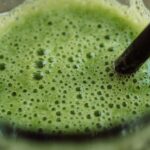



How To Make Cabbage Juice With a Juicer
A masticating or centrifugal juicer makes the process faster and produces a clearer juice with less pulp. Feed the cabbage chunks through the juicer chute one handful at a time. Do not force the pieces — let the machine pull them through at its own pace.
Masticating juicers crush the cabbage slowly, which preserves more heat-sensitive nutrients like vitamin C. Centrifugal juicers spin at high speed and generate more heat and oxidation. Both produce acceptable juice, but if you have the choice, a masticating juicer is the better option for nutrient retention.
After juicing, rinse the machine parts immediately. Cabbage leaves leave a fibrous residue that dries quickly and becomes difficult to clean.
How To Make Cabbage Juice Taste Better
Raw cabbage juice has a sharp, sulfurous flavor that many people find unpleasant. That flavor comes from glucosinolates, sulfur-containing compounds that are also responsible for many of cabbage’s health benefits. You can mask or balance the taste without losing the nutritional value.
Apple and carrot are the most common additions. A small apple adds natural sweetness, and a carrot adds a mild earthy note. Lemon or lime juice brightens the flavor and adds vitamin C. A piece of fresh ginger adds warmth and a gentle spice that pairs well with cabbage.
Start with a ratio of one part apple to three parts cabbage. Adjust from there based on your taste. Keep in mind that adding fruit increases the sugar content of the juice, so treat it as a sweetened beverage rather than a plain vegetable juice.
How Much Cabbage Juice Should You Drink?
No clinical guidelines exist for a specific daily dose of cabbage juice. That is not an oversight — no large human trials have established one. A reasonable starting point is a half cup to one cup per day, consumed as part of a normal diet.
Drinking large amounts of cabbage juice can cause bloating and gas. Cabbage contains raffinose, a type of carbohydrate that the human digestive tract cannot break down completely. Bacteria in the colon ferment it, producing gas. Start with a small amount and see how your digestive system responds before increasing the quantity.
Cabbage juice is also naturally high in potassium. If you have kidney disease or take medications that affect potassium levels, speak with your healthcare provider before drinking it regularly.
Should You Drink Cabbage Juice on an Empty Stomach?
Some sources recommend drinking cabbage juice first thing in the morning on an empty stomach. The reasoning is that the nutrients absorb more efficiently without food competing for digestion. That idea is biologically plausible but not backed by strong clinical evidence.
What matters more is consistency and tolerance. If drinking cabbage juice on an empty stomach causes nausea or discomfort, drink it with a meal instead. There is no proven benefit to an empty stomach that outweighs your digestive comfort.
How Long Does Cabbage Juice Last?
Cabbage juice is best consumed immediately after making it. Stored in an airtight container in the refrigerator, it will last about 24 hours before the flavor degrades noticeably. The vitamin C content drops steadily during storage, so the fresher you drink it, the more nutrients you get.
Freezing cabbage juice is possible but not ideal. Freezing and thawing destroys some of the vitamin C and changes the texture. If you must freeze it, pour it into an ice cube tray and thaw individual cubes as needed. Use frozen cabbage juice within one month.
Are There Any Risks or Side Effects?
Cabbage juice is safe for most healthy adults when consumed in normal food amounts. The main side effects are digestive — gas, bloating, and sometimes mild diarrhea if you drink a large quantity at once.
People with irritable bowel syndrome or other functional gut disorders may find cabbage juice triggers symptoms. The fermentable carbohydrates in cabbage are a known trigger for some people with IBS. If you have IBS, start with a very small amount — a few tablespoons — and monitor your symptoms.
People taking blood thinners should be cautious because of the vitamin K content. Pregnant women can drink cabbage juice as part of a normal diet, but no specific safety studies exist for high-dose consumption during pregnancy. When in doubt, treat cabbage juice like any other vegetable juice and consume it in moderation.
Frequently Asked Questions
Can you drink cabbage juice every day?
Yes, most healthy adults can drink a half cup to one cup of cabbage juice daily without problems. Start with a smaller amount if you are prone to gas or bloating.
Is cabbage juice better raw or cooked?
Raw cabbage juice retains more vitamin C and active enzymes than cooked cabbage. Cooking destroys some nutrients, but it also softens the fiber and may make the cabbage easier to digest.
Does cabbage juice help with acid reflux?
Some people report relief from acid reflux after drinking cabbage juice, but no clinical trials have confirmed this effect. The evidence is anecdotal, and cabbage can trigger reflux symptoms in some individuals.
Can you juice the cabbage core?
Yes, the core is edible and juicable, but it is tougher and has a stronger flavor than the leaves. Remove it if you prefer a milder taste.
