
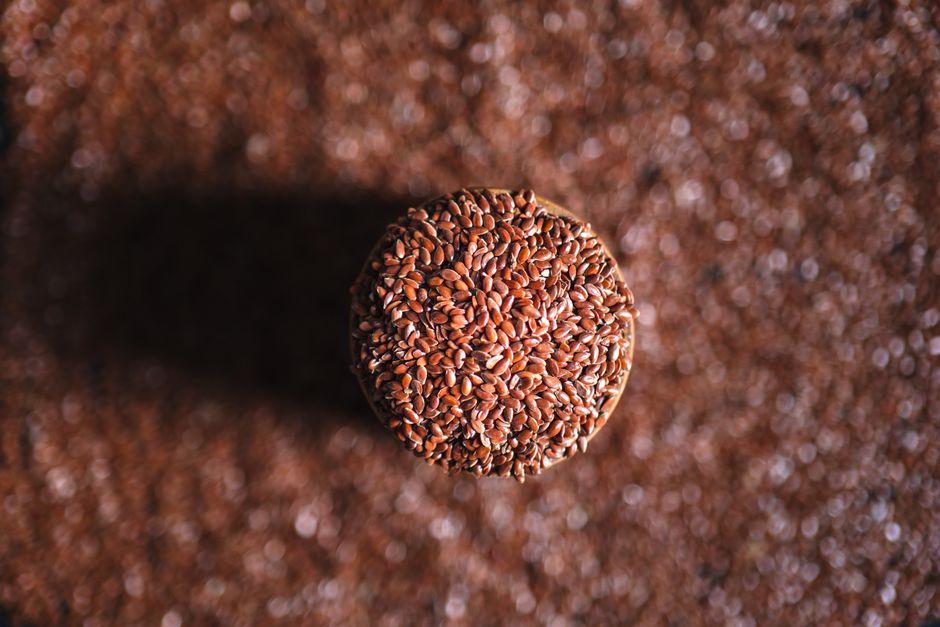
Flax seeds are a simple food to add to your daily routine. You can grind them, soak them, or use the oil, but the most common and effective way is to eat ground flax seeds. To get the nutritional benefits, you need to eat about one to two tablespoons of ground flax seeds per day, and you should always store them properly to keep them fresh.
How To Use Flax Seeds
The easiest way to use flax seeds is to buy them pre-ground or grind whole seeds at home. Your body cannot break down whole flax seeds, so they pass through your digestive system mostly intact. Grinding breaks the outer shell and makes the nutrients available to your body.
You can grind whole seeds in a coffee grinder, a high-speed blender, or a food processor. A coffee grinder works best because it creates a fine powder quickly. Grind only what you need for a few days at a time. Ground flax seeds go rancid faster than whole seeds because the oils are exposed to air.
Once ground, you can add flax seeds to almost anything. Stir them into oatmeal, yogurt, smoothies, or pancake batter. You can also use ground flax seeds as an egg replacement in baking. Mix one tablespoon of ground flax with three tablespoons of water and let it sit for a few minutes. This mixture works as a binder in many baked goods.
Whole Flax Seeds vs. Ground Flax Seeds
Whole flax seeds are not useless. They add texture and fiber to foods. You can sprinkle them on salads, add them to granola, or mix them into bread dough. The problem is that the nutrients inside remain locked away unless you chew them very thoroughly.
Ground flax seeds are the better choice if you want the health benefits. The grinding process makes the omega-3 fatty acids, lignans, and fiber accessible. Lignans are plant compounds that act as antioxidants in the body. Some research suggests they may have mild estrogen-like effects, but the clinical significance of this is still being studied.
If you buy whole seeds, you have full control over freshness. Whole seeds can last for up to a year when stored in a cool, dark place. Ground seeds last only a few months. Keep ground flax in an airtight container in the refrigerator or freezer to slow down spoilage.
How Much Flax Seed Should You Eat Per Day
Most clinical studies use doses between one and two tablespoons of ground flax seeds per day. This amount provides a meaningful source of fiber, about 2 to 3 grams per tablespoon, and a good amount of alpha-linolenic acid, the plant-based omega-3 fat.
Starting with a smaller amount is smart. Flax seeds are high in fiber, and a sudden increase can cause bloating, gas, or stomach cramps. Begin with one teaspoon per day and gradually work up to one or two tablespoons over a week or two. Drink plenty of water throughout the day when you increase your fiber intake.
No clinical guidelines currently exist for a maximum safe dose of flax seeds. The amounts used in research are generally recognized as safe for healthy adults. If you have a medical condition or take medications, talk to your doctor before adding large amounts of flax to your diet.





Flax Seed Oil vs. Ground Flax Seeds
Flax seed oil is another option, but it is not the same as ground seeds. The oil contains the omega-3 fat but lacks the fiber and lignans. You lose most of the nutritional value when you remove the oil from the seed.
The oil is also more fragile. It oxidizes quickly when exposed to heat, light, or air. Do not cook with flax seed oil. High heat destroys the delicate fats. Use it only in cold preparations like salad dressings or drizzled over finished dishes.
Ground seeds are more versatile and provide a broader range of nutrients. If your goal is digestive health or cholesterol management, ground seeds are the better choice. If you simply want a plant-based omega-3 supplement, the oil can work, but you need to store it in the refrigerator and use it quickly.
How To Store Flax Seeds Properly
Storage matters more than most people realize. The oils in flax seeds are polyunsaturated, which means they are prone to oxidation. Oxidation is what causes rancidity. Rancid flax seeds taste bitter and may have reduced nutritional value.
Whole seeds stored in an airtight container in a cool, dark pantry will keep for about a year. Ground seeds should always go in the refrigerator or freezer. In the fridge, ground flax lasts about two to three months. In the freezer, it can last up to six months.
Check for signs of spoilage before using a batch. Fresh ground flax smells mildly nutty. If it smells sharp, bitter, or like old paint, throw it out. The color should be a consistent golden or brown, depending on the variety. Dark spots or an oily sheen can indicate spoilage.
Can You Eat Flax Seeds Raw
Yes, you can eat flax seeds raw. In fact, most people eat them raw because cooking is not necessary. The seeds are safe to eat without any preparation beyond grinding. You can also cook with them, but cooking does not improve their nutritional value.
Adding ground flax to baked goods is common. Muffins, breads, and cookies can all include flax. The heat from baking does not destroy the fiber or lignans. Some omega-3 fats may degrade at high temperatures, but moderate baking at 350°F or below is generally fine.
One caution applies to raw flax seeds. They contain small amounts of naturally occurring compounds called cyanogenic glycosides. In very large quantities, these compounds can be harmful. The amounts present in normal dietary use are not a concern. You would need to eat an unreasonable amount of raw flax seeds to approach any risk.
Who Should Be Careful With Flax Seeds
Most people can eat flax seeds without issues. Certain groups should be more careful. If you have a bowel obstruction, stricture, or narrowing of the esophagus or intestines, the high fiber content could cause a blockage. Talk to your doctor first.
People with irritable bowel syndrome may need to introduce flax slowly. The fiber can trigger symptoms in sensitive individuals. Start with a small amount and monitor how your body responds. Some people tolerate ground flax better than whole seeds because the ground form is easier to digest.
If you are pregnant or breastfeeding, flax seeds are generally recognized as safe in food amounts. No clinical guidelines currently exist for high-dose supplementation in these populations. If you are taking blood-thinning medications, discuss flax with your doctor because the omega-3 fats may have mild blood-thinning effects.
Frequently Asked Questions
Do you need to grind flax seeds to get the benefits?
Yes, grinding is necessary to access the nutrients inside the seed. Whole seeds pass through your digestive tract mostly undigested.
Can you eat flax seeds every day?
Yes, one to two tablespoons of ground flax seeds per day is a common amount used in research studies. Start with a smaller amount and increase gradually to avoid digestive discomfort.
Is it better to eat flax seeds or take flax seed oil?
Ground flax seeds provide more benefits because they contain fiber and lignans in addition to omega-3 fats. Flax seed oil only provides the fat and spoils faster.
How long do ground flax seeds last in the refrigerator?
Ground flax seeds last about two to three months in an airtight container in the refrigerator. Freezing extends the shelf life to about six months.
