
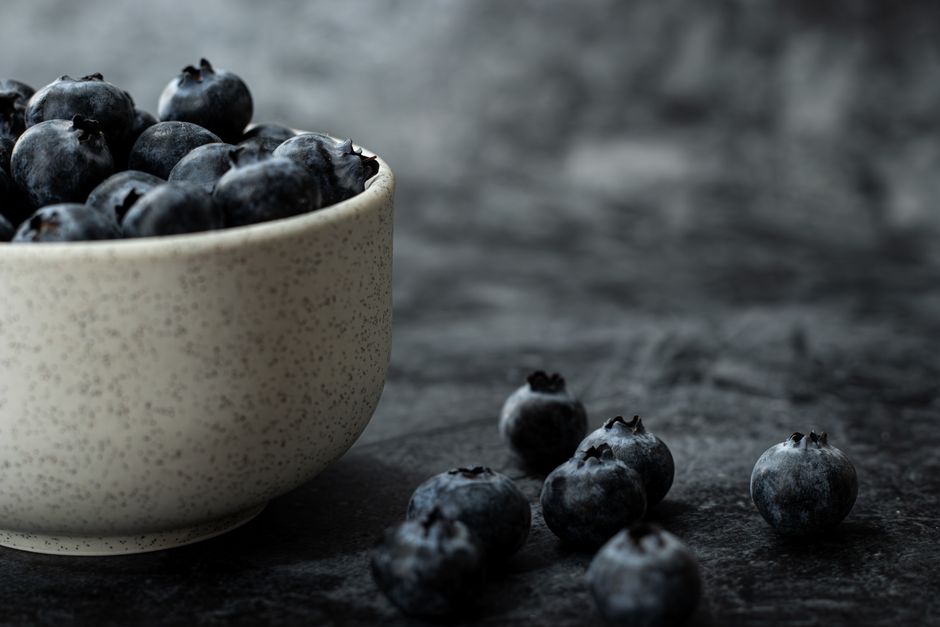
You can make blue food coloring at home using red cabbage, butterfly pea flowers, or blueberries. Each method produces a different shade of blue, and each has practical limits worth knowing before you start. The color you get depends on the pH of the ingredient — and that detail matters more than most recipes admit.
How To Make Blue Food Coloring With 3 Natural Methods
Natural blue is the hardest color to produce in a home kitchen. That is not an opinion — it is a chemistry problem. Blue pigments are rare in nature compared to reds, yellows, and greens. The three methods below are the ones most likely to actually work, along with honest notes on what each can and cannot do.
Method 1: Red Cabbage
Red cabbage contains anthocyanins, which are pigments that change color based on pH. In an acidic environment, they appear red or pink. In a neutral environment, they appear purple. In an alkaline environment, they turn blue or green.
To make blue coloring from red cabbage:
- Chop about two cups of red cabbage into small pieces.
- Simmer in two cups of water for 15 to 20 minutes.
- Strain the liquid and discard the solids.
- Stir in a small amount of baking soda — start with 1/8 teaspoon — until the liquid shifts from purple to blue.
The baking soda raises the pH, which is what causes the color shift. Add it slowly. Too much baking soda pushes the pH too high and the color turns green or yellow-green. You cannot undo this once it happens.
The cabbage liquid has a mild, slightly sulfurous smell and a faint vegetable taste. In strongly flavored foods, this is usually undetectable. In delicate foods like vanilla frosting or white cake, it can come through. This is the main trade-off with cabbage-based coloring.
Method 2: Butterfly Pea Flowers
Butterfly pea flower is a plant native to Southeast Asia. Its petals contain a pigment that produces a deep, vivid blue when steeped in hot water. This is the most reliable natural blue for home use.
To make butterfly pea coloring:
- Steep 10 to 15 dried butterfly pea flowers in one cup of hot water for 5 to 10 minutes.
- Strain out the flowers.
- Use the liquid directly, or reduce it over low heat to concentrate the color.
The resulting liquid is a clear, bright blue with almost no flavor. That makes it the best option for desserts, drinks, and anything where taste matters. Dried butterfly pea flowers are sold online and in some specialty tea shops.
One important note: the blue pigment in butterfly pea flowers is also pH-sensitive. Adding acid — lemon juice, vinegar, or citric acid — turns it purple or pink. If you are adding it to an acidic recipe, the color will not stay blue.
Method 3: Blueberries
Blueberries produce a blue-purple liquid, not a true blue. The color leans purple or even reddish depending on the variety and ripeness. Still, it is the most accessible option because most grocery stores carry blueberries year-round.
To make blueberry coloring:
- Simmer one cup of fresh or frozen blueberries in one cup of water for 10 to 15 minutes.
- Mash the berries to release more pigment.
- Strain through a fine mesh strainer or cheesecloth.
The result is a dark purple-blue liquid with a distinct berry flavor. It works well in muffins, pancakes, smoothies, and other foods where a berry taste makes sense. It does not work well in vanilla frosting or anything where you need a clean blue without flavor.
You can push blueberry liquid slightly toward blue by adding a tiny pinch of baking soda, the same way you would with cabbage. The shift is subtle and less dramatic than with red cabbage.
Why Is Natural Blue Food Coloring So Difficult to Make?
True blue pigments are genuinely rare in the plant and animal kingdoms. Most blue colors you see in nature — bluebirds, blue morpho butterflies, blue eyes — are not pigments at all. They are structural colors created by the way light interacts with microscopic physical structures. You cannot extract those and put them in a cake.
The blue pigments that do exist in plants are mostly anthocyanins, which are the same pigments that make red cabbage red and blueberries purple. Their color depends entirely on pH. That is why so many natural blue coloring methods involve adjusting acidity or alkalinity.
This is also why commercial natural blue food coloring is expensive and uncommon. The food industry has historically relied on synthetic blues like Blue No. 1 and Blue No. 2. Natural blue alternatives exist but are harder to stabilize, more expensive, and less predictable.
Do Natural Blue Food Colorings Actually Work in Baking?
They work, but with real limitations. Heat, pH, and the other ingredients in your recipe all affect the final color.
Baking soda and baking powder are alkaline, which can push anthocyanin colors toward blue or green. But they can also dull the color. Acidic ingredients like buttermilk, lemon juice, or vinegar will shift anthocyanin-based blues toward purple or pink.
Heat is another factor. Anthocyanins are not especially heat-stable. Some color loss during baking is normal. The color you see in the batter will often be more vivid than the color in the finished product.
For the most predictable results, use butterfly pea flower liquid in no-bake recipes or recipes that are not highly acidic. For baked goods, expect some color shift and plan accordingly.

Are Natural Food Colorings Safer Than Synthetic Ones?
Not automatically. “Natural” describes the source, not the safety profile. Some natural colorings can trigger allergic reactions in sensitive people. Annatto, a common natural yellow-orange coloring, is a known allergen for some individuals. Carmine, a red coloring made from insects, can cause allergic reactions in people with certain sensitivities.
Synthetic food dyes have been studied extensively. The evidence on whether they cause health problems in the general population is mixed and contested. Some research suggests certain synthetic dyes may affect behavior in a subset of children, but the findings are not uniform across studies.
If you are choosing natural coloring because you prefer it, that is a reasonable personal choice. If you are choosing it because you believe it is proven safer, the evidence does not clearly support that conclusion. The honest position is that both natural and synthetic food colorings carry some level of uncertainty, and the research is ongoing.
How Do You Store Homemade Blue Food Coloring?
Store any of these liquids in a sealed container in the refrigerator. They will keep for about one week. After that, spoilage becomes a concern — you may see cloudiness, smell changes, or mold.
For longer storage, freeze the liquid in ice cube trays. Once frozen, transfer the cubes to a freezer bag. They will keep for several months. Thaw only what you need for a single recipe.
Red cabbage and blueberry liquids tend to lose color intensity over time, even when frozen. Butterfly pea flower liquid holds its color better during storage than the other two.
Can You Make Blue Food Coloring Without Heat?
Yes, for butterfly pea flowers. Cold water extraction works — it just takes longer. Place the flowers in cold water and let them sit in the refrigerator for several hours or overnight. The color will be lighter than a hot water extraction, but it works.
For red cabbage and blueberries, cold extraction is less effective. Heat helps break down cell walls and release more pigment. Without heat, you get a weaker result.
One more option: some people use spirulina powder, a blue-green algae, as a natural blue coloring. Spirulina is a blue-green color, not a true blue, and it has a strong seaweed-like taste. It also breaks down in acidic environments. It works in some applications but is not a direct substitute for the methods above.
Frequently Asked Questions
What is the best natural ingredient for blue food coloring?
Butterfly pea flower produces the most vivid and flavor-neutral blue. Red cabbage works well but has a mild vegetable taste, and blueberries give a purple-blue color with a distinct berry flavor.
Why does my red cabbage coloring turn green instead of blue?
You added too much baking soda, which pushed the pH too high. Anthocyanins turn green and then yellow as pH rises above the blue range. Start with a very small amount and add more slowly.
Can I use natural blue food coloring in frosting?
Butterfly pea flower liquid works best in frosting because it has almost no flavor. Red cabbage and blueberry liquids can affect the taste of delicate frostings. Keep in mind that acidic frosting ingredients may shift the color toward purple.
How long does homemade blue food coloring last?
About one week in the refrigerator in a sealed container. For longer storage, freeze the liquid in ice cube trays and transfer the cubes to a freezer bag, where they will keep for several months.
