
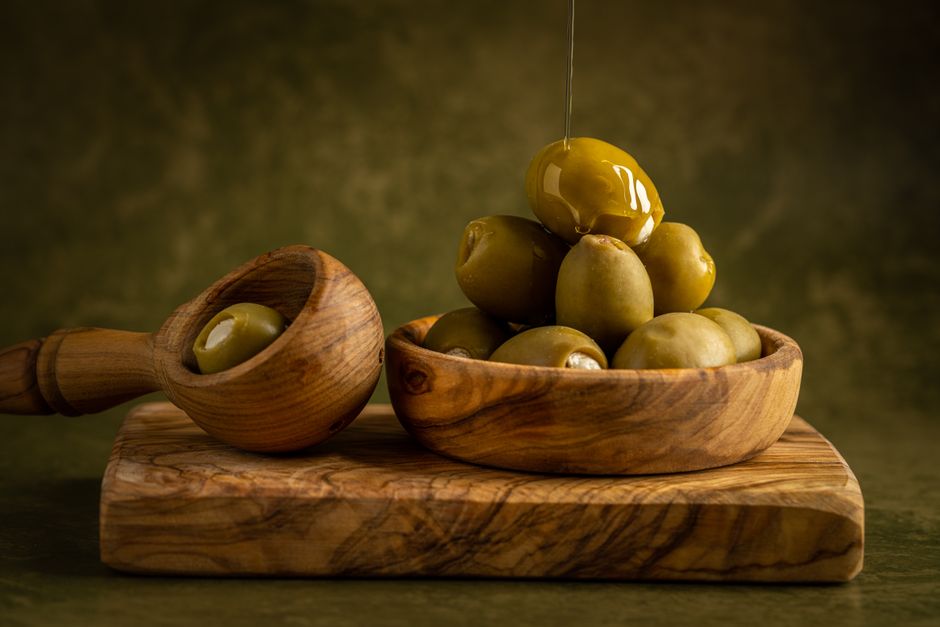
Making olive green food coloring at home is simple when you understand color mixing. Olive green is not a primary color. It is a muted, earthy blend of green with a hint of brown or yellow. For liquid gel, you mix standard gel food colors—typically leaf green with a touch of brown or warm yellow—until you reach the desired shade. The process takes less than a minute and requires no special equipment.
What Colors Make Olive Green?
Olive green sits between green and yellow on the color wheel, but it has a distinct earthiness. Pure green is too bright. Pure yellow is too vivid. The secret is muting the brightness.
Start with a base of green gel. Add a very small amount of brown gel. Brown tones down the green and gives it that military or botanical depth. If you do not have brown, a tiny drop of warm yellow or even a speck of red can work, but brown is the most reliable path.
The ratio matters. You want roughly 90 percent green to 10 percent brown or yellow. This is not a precise science. Different brands have different pigment strengths. Always start with less of the dark or warm color than you think you need. You can add more, but you cannot take it out.
How To Make Olive Green Food Coloring Liquid Gel
You need three things: green gel food coloring, brown or warm yellow gel food coloring, and a clean surface or small bowl for testing.
Place one drop of green gel on a white plate or in a small dish. White is important. It shows the true color without background interference. Add a tiny amount of brown—less than half a drop if you can manage it. Use a toothpick to transfer a small smear of brown into the green. Mix thoroughly with a clean toothpick or small spatula.
Evaluate the color against natural light. If it looks too bright, add more brown. If it looks muddy or gray, add a tiny bit more green. If it looks too yellow, add a speck of green. If it looks too dark, add a drop of plain white gel or a drop of clear vanilla extract to dilute it slightly.
For a warmer olive, use yellow instead of brown. For a cooler, more sage-like olive, use a hint of blue or black. Black gel is potent. One microscopic speck can shift the entire tone.
Using Store-Bought Olive Green vs. Mixing Your Own
Commercial brands now sell olive green directly. Wilton, AmeriColor, and Chefmaster all offer pre-mixed olive or moss tones. These are consistent and convenient. If you bake frequently, buying a bottle may save time.
Mixing your own gives you control. You can adjust the shade for different projects. A buttercream olive for a leaf might need to be warmer. A fondant olive for a military uniform might need to be grayer. Pre-mixed colors cannot adapt.
There is also a cost consideration. Gel colors are concentrated. A single bottle lasts a long time. If you already own green and brown, you do not need to buy a third bottle for one project.



How To Adjust the Shade for Different Frostings
Buttercream, royal icing, and fondant all accept color differently. Buttercream has a yellow tint from the butter. This means your olive green will look warmer in buttercream than it does on a white plate. You may need to add slightly more green or brown to compensate.
Royal icing is white and dries matte. Colors often appear slightly lighter after drying. Mix your olive green slightly darker than your target shade when working with royal icing.
Fondant is the most predictable medium. It is neutral in color and accepts gel well. Knead the color in thoroughly. Fondant can develop streaks if you rush the process.
Whipped cream and white chocolate are different. Whipped cream is temperature-sensitive. Overmixing can cause it to deflate. White chocolate seizes if it contacts water, and some gel colors contain water. Use oil-based food colors for white chocolate, not standard water-based gels.
Common Mistakes When Mixing Olive Green
The most common mistake is adding too much brown. Brown is a strong pigment. A heavy hand turns your olive green into a murky brown-gray that no amount of green can fix. Start with a barely visible smear.
The second mistake is testing on a colored surface. A yellow or blue plate distorts your perception of the color. Always test on white.
The third mistake is forgetting that color deepens over time. Gel colors continue to develop for several minutes after mixing. What looks perfect immediately may look darker after ten minutes. Wait before committing to a final shade.
Another frequent error is using liquid food coloring instead of gel. Liquid colors are too diluted. You would need many drops to reach olive green, and the excess liquid can change the consistency of your frosting. Gel is concentrated and does not add significant moisture.
Natural Alternatives for Olive Green Coloring
If you prefer to avoid synthetic dyes, natural options exist, but they come with limitations. Matcha powder creates a muted green, but it is more yellow-green than true olive. Spirulina produces a blue-green that can lean teal. Neither gives you a precise olive tone without additional mixing.
Spinach powder is another option. It creates a dull, earthy green that is close to olive. The flavor impact is minimal when used in small amounts. However, natural colors are less stable than synthetic gels. They can fade with heat or change color when exposed to acidic ingredients like lemon juice.
No clinical evidence suggests that natural food colorings are safer than synthetic ones for the general population. Both are regulated as food additives. The choice between them is personal preference, not a health necessity.
Storage and Shelf Life of Mixed Gel Colors
Mixed gel colors do not store well. Once you combine two colors, the mixture has a limited lifespan. You can store it in an airtight container in the refrigerator for up to two weeks, but the color may shift slightly over time.
Unmixed gel colors last much longer. Most commercial gel colors have a shelf life of one to two years when stored in a cool, dry place. Heat and direct sunlight degrade the pigments. Keep your bottles away from the stove and out of windowsills.
If your gel color develops a dry crust or changes texture, discard it. Old gel can create lumps in your frosting that are difficult to remove.
Testing Your Olive Green Before Committing
Always test your color on a small batch of your actual medium before coloring the full amount. Frosting colors can look different in large quantities. A small test spoonful gives you a reliable preview.
Paint a thin smear of the colored frosting on a white plate. Thin layers look lighter than thick layers. If your final product will have a thick layer of frosting, evaluate the color on a thicker test smear.
Natural light is the best environment for color evaluation. Kitchen lighting, especially fluorescent bulbs, can cast a yellow or blue tint that distorts your perception.
Frequently Asked Questions
Can I make olive green with just green and yellow food coloring?
Yes, but the result will be brighter than true olive. Add a tiny speck of brown or red to mute the brightness and create the earthy tone.
How much brown do I add to green to get olive?
Start with less than half a drop of brown per drop of green. Brown is highly concentrated, and a small amount goes a long way.
Does olive green food coloring taste different?
No. Gel food colorings are flavorless in the small amounts used for coloring. Natural options like matcha or spinach powder do add a subtle flavor.
Can I use liquid food coloring instead of gel?
You can, but liquid colors require many drops to reach a deep shade, and the added liquid can thin your frosting. Gel is recommended for best results.
