
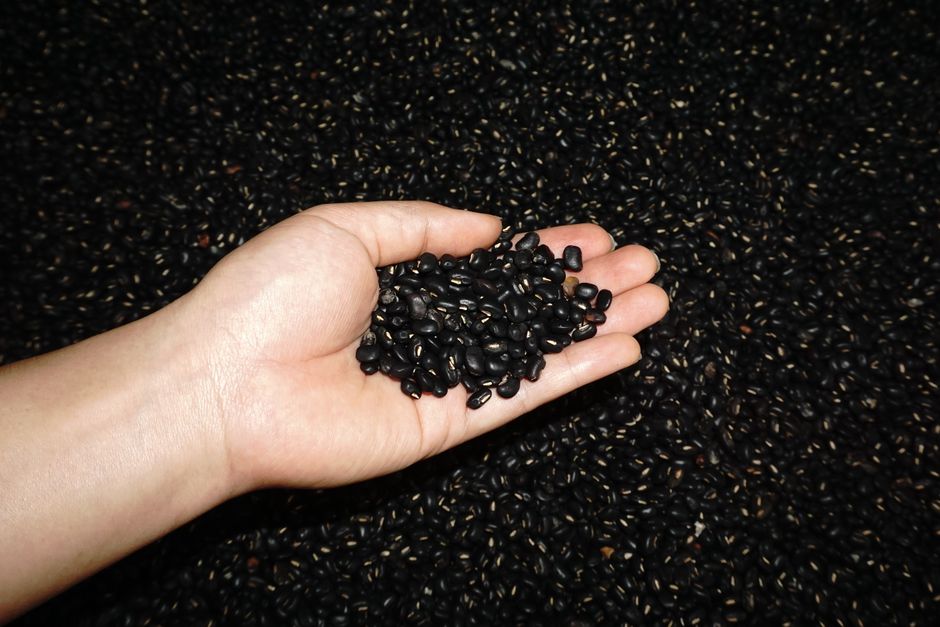
Beans are a nutritional powerhouse, packed with fiber, protein, and essential minerals. But for many people, they come with an uncomfortable side effect: gas and bloating. The good news is that you don’t have to give up beans to avoid the discomfort. Simple preparation methods like soaking, rinsing, and slow cooking can significantly reduce the compounds that cause digestive distress, making beans easier on your stomach and more enjoyable to eat.
Why Do Beans Cause Gas in the First Place?
Beans contain complex sugars called oligosaccharides, specifically raffinose and stachyose. The human digestive tract does not produce the enzyme alpha-galactosidase needed to break these sugars down. So they travel undigested to the large intestine, where bacteria ferment them. That fermentation process produces gas, which leads to bloating and flatulence.
This is a normal physiological process, not a sign that beans are “bad” for you. The issue is that some people produce more gas than others, or are more sensitive to the feeling of bloating. Understanding this mechanism is the first step because it explains why certain preparation methods work better than others.
How To Make Beans More Digestible And Reduce Gas
The most effective strategies target the oligosaccharides directly. These sugars are water-soluble, which means you can physically remove them from the bean before cooking. The process is simple and requires no special equipment.
First, always sort and rinse your dried beans to remove debris. Then, soak them. The soak water will absorb many of the oligosaccharides. Drain that water completely and rinse the beans again before cooking. This single step removes a significant portion of the gas-causing sugars. Research has shown that soaking and discarding the water reduces oligosaccharide content more effectively than cooking beans without soaking.
Cooking method matters too. Boiling beans in fresh water, not the soak water, is standard practice. Some evidence suggests that a longer, slower simmer breaks down a portion of the remaining oligosaccharides. Adding a piece of kombu seaweed, a strip of wakame, or a bay leaf during cooking is a traditional practice in some cultures. While kombu contains enzymes that may help break down these sugars, the clinical evidence for its effectiveness is limited. It does not hurt, but the soaking and rinsing are the steps with the strongest support.
Soaking Methods: Overnight vs. Quick Soak
Both overnight soaking and the quick soak method work. The choice depends on your schedule.
Overnight soak: Cover beans with two to three inches of cold water. Let them sit for 8 to 12 hours. Drain, rinse, and cook in fresh water.
Quick soak: Bring beans and water to a boil for two minutes. Remove from heat, cover, and let them sit for one hour. Drain, rinse, and cook in fresh water.
Neither method is superior for gas reduction. What matters most is that you discard the soak water. If you are pressed for time, the quick soak is a perfectly acceptable alternative to the overnight method.




Does Adding Baking Soda Help or Hurt?
Adding a pinch of baking soda to the soaking water is a common tip. The alkaline environment helps soften the bean skins and can shorten cooking time. However, baking soda does not break down oligosaccharides, so it does not directly reduce gas production.
There is a downside. Baking soda destroys thiamine, a B vitamin found in beans. It can also leave a soapy taste if you use too much. If you use it to speed up cooking, use only a tiny pinch and rinse the beans thoroughly afterward. But for the purpose of reducing gas, baking soda does not offer a benefit over plain water soaking.
What About Canned Beans?
Canned beans are already cooked and are a convenient alternative to dried beans. They are not automatically easier to digest than properly soaked home-cooked beans. The canning process does break down some oligosaccharides, but a significant amount can remain in the liquid.
The single most effective step for canned beans is to drain and rinse them thoroughly. Rinsing under running water for 30 to 60 seconds washes away a portion of the gas-causing sugars that have leached into the canning liquid. One study found that rinsing canned beans reduced the oligosaccharide content by a measurable amount compared to not rinsing. This is a simple habit that takes minimal time and makes a real difference.
Are There Digestive Enzyme Supplements That Work?
Yes. Over-the-counter enzyme supplements containing alpha-galactosidase are specifically designed to break down the complex sugars in beans. The most common brand name is Beano. You take the supplement right before your first bite of beans. The enzyme works in the stomach to break down oligosaccharides before they reach the large intestine.
Clinical trials have shown these products reduce gas and bloating in people who consume beans. They are not a cure for all digestive discomfort, but for the specific issue of bean-induced gas, the evidence is solid. If you prefer to avoid supplements, the soaking and rinsing methods are your best dietary approach. Combining both strategies is also an option for people who are particularly sensitive.
Gradually Increase Your Bean Intake
Your gut bacteria adapt to what you eat. If you rarely eat beans and suddenly eat a large portion, you will likely experience more gas. This is because your gut microbiome does not yet have the population of bacteria needed to efficiently ferment the fiber and oligosaccharides.
Start with a small serving, such as a quarter cup of cooked beans, a few times per week. Over several weeks, gradually increase the portion size. This gives your microbiome time to adjust. Some people find that their gas production decreases significantly after a few weeks of regular bean consumption. This is not a quick fix, but it is a sustainable long-term strategy.
Other Ways To Support Bean Digestion
Eating beans as part of a balanced meal can help. Pairing them with easily digestible vegetables and whole grains may slow the overall digestive process and reduce sudden fermentation. Chewing thoroughly is another simple step. Oligosaccharides are not broken down by chewing, but thorough chewing helps with overall digestion and reduces the amount of air you swallow, which can contribute to bloating.
Staying hydrated also matters. The fiber in beans absorbs water, and without adequate fluid, it can slow intestinal transit and worsen discomfort. Drink water throughout the day, not just when you eat beans.
Do All Beans Cause the Same Amount of Gas?
No. The oligosaccharide content varies by bean type. Soybeans and pinto beans tend to be higher in these sugars. Lentils and split peas are generally lower. Black beans, kidney beans, and chickpeas fall somewhere in the middle. This does not mean you should avoid higher-gas beans. It simply means you may need to be more careful with soaking and portion control when eating them.
If you are new to beans or reintroducing them after a long break, starting with lentils or split peas may be easier on your digestive system. They cook faster and contain fewer of the specific sugars that cause gas.
When Gas Is Not Normal
Gas after eating beans is normal. But persistent, severe bloating, abdominal pain, or changes in bowel habits are not. If you experience these symptoms regularly after eating beans, or if they occur even when you eat small amounts, it is worth speaking with a healthcare provider. Conditions like irritable bowel syndrome, small intestinal bacterial overgrowth, or a food intolerance can cause similar symptoms and require a different approach.
No clinical guideline currently recommends eliminating beans for the general population. The fiber and nutrients they provide are valuable for heart health, blood sugar control, and digestive regularity. For most people, the preparation methods described here are enough to make beans a comfortable and regular part of the diet.
Frequently Asked Questions
Does rinsing canned beans really reduce gas?
Yes, draining and rinsing canned beans under running water removes a portion of the oligosaccharides that have leached into the canning liquid.
How long should I soak beans to reduce gas?
Soaking beans for 8 to 12 hours overnight is effective, but even a one-hour quick soak helps. The key is to discard the soak water and cook in fresh water.
Is baking soda safe to use when cooking beans?
A tiny pinch can soften beans and shorten cooking time, but it does not reduce gas and can destroy thiamine. Rinse thoroughly if you use it.
Can I take an enzyme supplement instead of soaking?
Yes, supplements with alpha-galactosidase, taken right before eating, have been shown to reduce gas and are a reliable alternative to soaking.
