
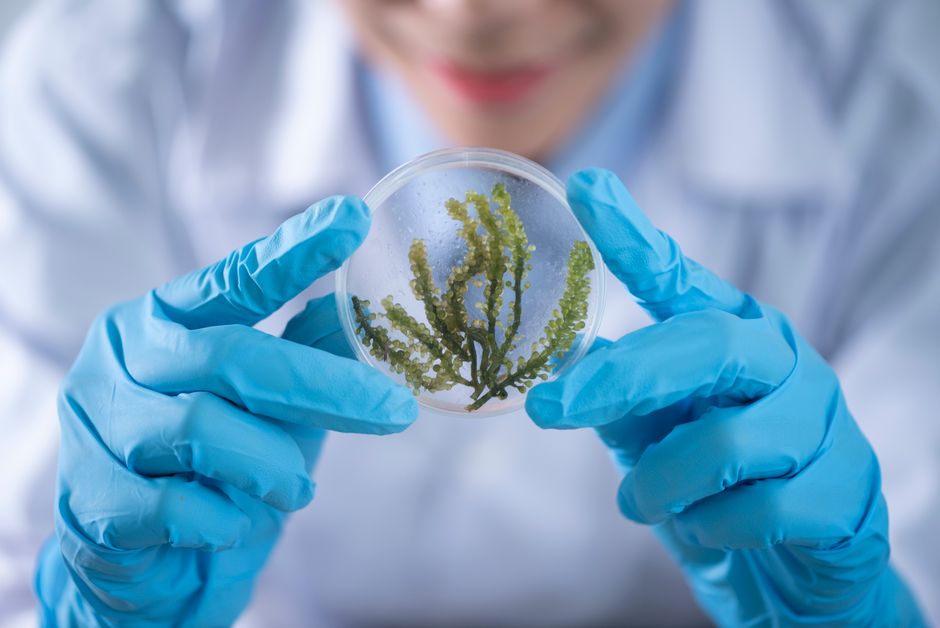
Making algae oil is a real process, not a kitchen experiment. It starts with growing specific microalgae in water and ends with extracting the oil from the cells. The most common method grows algae in open ponds or closed tubes called photobioreactors. After the algae multiply, the water is removed, and the oil is pressed out or drawn out with a solvent. The result is a raw oil used for biofuels, supplements, and food ingredients.
What Is Algae Oil and Why Is It Made?
Algae oil comes from microscopic organisms that use sunlight to make energy. These organisms, called microalgae, produce oil inside their cells as a natural part of their life cycle. Some species can contain large amounts of oil relative to their weight.
The oil is valuable because it is a plant-based source of fats. It contains omega-3 fatty acids, which are the same fats found in fish oil. This makes it useful for dietary supplements. It is also processed into biofuel because the oil can be converted into diesel-like fuel.
Algae grows fast compared to land crops. It does not need soil and can grow in salt water or wastewater. These traits make it an attractive option for sustainable oil production.
How To Make Algae Oil From Growing To Extraction?
The full process has four stages: selecting the algae strain, growing it, harvesting it, and extracting the oil. Each stage affects how much oil you get and how pure it is.
Growing algae requires water, light, carbon dioxide, and nutrients like nitrogen and phosphorus. The algae convert these inputs into biomass through photosynthesis. Under good conditions, the population doubles within hours.
Harvesting removes the water. This is often the hardest step because algae cells are tiny and the water content is high. Common methods include centrifugation, filtration, and chemical flocculation.
Extraction separates the oil from the rest of the cell material. Mechanical pressing works for some species. Solvent extraction, usually with hexane, draws out more oil but leaves chemical residues that must be removed. Newer methods use supercritical carbon dioxide, which avoids solvents but costs more.
Choosing the Right Algae Strain
Not all algae produce the same amount or type of oil. The strain you choose determines the yield and the quality of the final product.
Some species are known for high oil content. Others grow faster but produce less oil. There is a trade-off between growth speed and oil accumulation. A fast-growing strain with moderate oil may outperform a slow-growing strain with high oil.
Saltwater strains are common in commercial production because they reduce the risk of contamination. Freshwater strains are easier to work with in small setups but require more careful management.
Genetically modified strains exist but are not widely used in commercial food products. Most production uses naturally selected strains that have been bred for better performance.





Growing Systems: Open Ponds vs. Closed Reactors
There are two main ways to grow algae at scale. Each has clear advantages and clear limits.
Open ponds are shallow channels where algae grow in circulating water. They are cheap to build and operate. The main problem is contamination. Other organisms can invade the pond and outcompete the algae. Temperature control is also difficult.
Photobioreactors are closed systems made of clear tubes or panels. They offer more control over temperature, light, and nutrients. Contamination is less likely. The downside is cost. These systems require more energy and materials to build and run.
Some facilities use a hybrid approach. They grow algae in closed reactors first to create a pure culture, then transfer it to open ponds for the main growth phase.
Nutrients and Growth Conditions
Algae need more than sunlight and water. They require a balanced supply of nutrients to grow and produce oil.
Nitrogen is the most important nutrient for growth. When nitrogen runs low, many algae species shift their metabolism. They stop dividing and start storing energy as oil. This is a natural stress response.
This means producers often use a two-stage process. First, they give algae plenty of nitrogen to build cell mass. Then they reduce nitrogen to trigger oil accumulation. This strategy increases the oil content of the harvested biomass.
Temperature and light also matter. Most algae grow best between 20 and 30 degrees Celsius. Too much light can damage the cells. Too little light slows growth. Carbon dioxide must be supplied because atmospheric levels are too low for maximum growth.
Harvesting and Dewatering the Algae
After the growth phase, the algae are suspended in water at a low concentration. Typically, less than one percent of the liquid is solid algae. This water must be removed before extraction.
Centrifugation is effective but energy-intensive. It spins the mixture to separate solids from liquid. This method works well for small volumes but becomes expensive at large scales.
Filtration pushes water through a membrane that traps the algae. This works better for larger algae cells. Smaller cells can clog the filter.
Flocculation uses chemicals to make algae clump together. The clumps settle to the bottom, and the clear water is drained off. This method is cheaper but can contaminate the biomass with chemicals.
No single harvesting method works best for every operation. The choice depends on the algae species, the scale, and the budget.
Oil Extraction Methods Compared
Once the algae are concentrated, the oil must be released from the cells. Several methods exist, and they differ in yield, cost, and safety.
Mechanical pressing is the simplest method. The dried algae are pressed to squeeze out the oil. This works but leaves a significant amount of oil behind in the remaining material.
Solvent extraction uses a chemical like hexane to dissolve the oil. The solvent is then evaporated, leaving pure oil. This method recovers more oil than pressing alone. The risk is that solvent residues can remain if the process is not done carefully.
Supercritical carbon dioxide extraction uses pressurized carbon dioxide as a solvent. It is cleaner than hexane and leaves no toxic residue. The equipment is expensive, which limits its use to high-value products like supplements.
Enzymatic extraction uses enzymes to break down cell walls and release oil. This is a newer approach that avoids harsh chemicals. It is not yet widely used at commercial scale.
What Happens After Extraction?
Crude algae oil is not ready for use. It contains impurities that must be removed through refining.
The refining process includes degumming, which removes phospholipids, and neutralization, which removes free fatty acids. Bleaching removes color compounds, and deodorization removes unwanted odors. The result is a clean, stable oil.
For supplements, the oil is often concentrated to increase the omega-3 content. This can be done through processes that separate and concentrate specific fatty acids.
For biofuel, the oil undergoes a chemical reaction called transesterification. This converts the oil into biodiesel and glycerin. The biodiesel can then be blended with petroleum diesel.
Is Homemade Algae Oil Practical?
Growing algae at home is possible but not practical for oil production. The equipment needed for harvesting and extraction is expensive and complex.
A small setup might produce a few grams of oil after weeks of work. The cost of electricity, nutrients, and equipment would far exceed the value of the oil. For food or supplement use, home production also carries safety risks. Contamination and improper processing could make the oil unsafe.
Commercial production is the only realistic source of algae oil. Consumers should buy algae oil products from established manufacturers that follow food safety standards.
Frequently Asked Questions
How long does it take to make algae oil?
The growing phase takes about one to two weeks depending on the system and conditions. Harvesting and extraction add a few days to the total timeline.
Can algae oil be made without chemicals?
Mechanical pressing and supercritical carbon dioxide extraction avoid chemical solvents. These methods are cleaner but cost more or recover less oil.
Is algae oil safe to eat?
Refined algae oil from reputable manufacturers is safe for consumption. It is regulated as a food ingredient and is used in some infant formulas and dietary supplements.
Why is algae oil more expensive than other oils?
The production process requires specialized equipment and significant energy input. Harvesting and extraction are costly because algae cells are small and dilute in water.
