
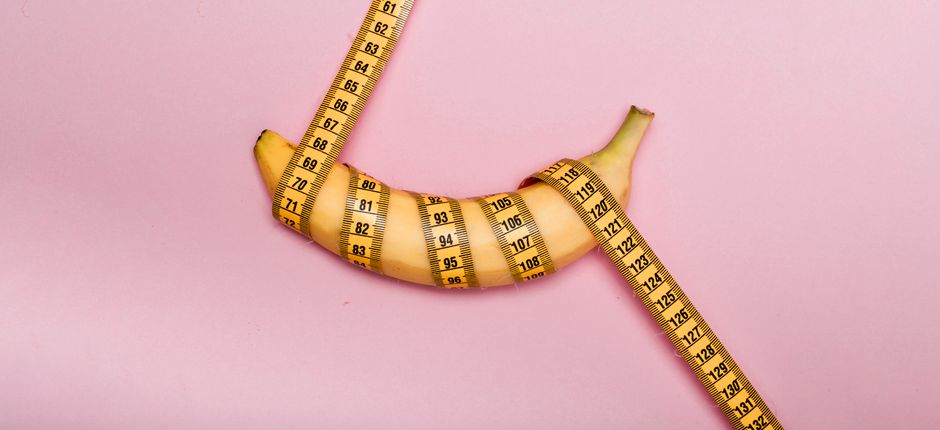
Penis growth follows a predictable timeline tied to puberty, and for nearly all men, growth stops by the end of the teenage years. The penis typically finishes growing around age 18 to 21, though most of the growth happens earlier, between ages 10 and 16. After this point, no medical evidence shows that the penis can grow larger through exercise, devices, or supplements.
When Does Penus Stop Growing?
Most penile growth occurs during puberty, which usually starts between ages 9 and 14. The penis grows in length first, then in girth. Growth typically slows significantly by age 16 and stops completely by age 18 to 21 for most men.
Hormones drive this process. Testosterone levels rise during puberty, triggering growth of the penis, testicles, and pubic hair. Once puberty completes, the hormonal signals that cause growth shut down. The penis has reached its adult size and will not grow further.
Some men notice small changes in their early 20s, but these are usually related to weight changes or blood flow, not actual tissue growth. The internal structure of the penis — the corpora cavernosa — stops elongating when growth plates and hormonal signaling cease.
What Determines Penis Size?
Genetics play the largest role in determining penis size. Just as height and eye color are inherited, so is penile length and girth. No exercise, food, or supplement can change what your genetics have determined.
Body fat also affects how large the penis appears. The penis is attached to the pubic bone, and a layer of fat sits between the bone and the skin. Men with higher body fat may have a portion of the penis hidden beneath this fat pad, making it appear shorter than it actually is. Losing weight can reveal more of the penile shaft, though it does not make the penis itself grow.
Blood flow matters too. An erection fills the corpora cavernosa with blood, and the quality of that blood flow affects erectile rigidity. But blood flow does not change the actual size of the tissue. A man’s erect size compared to his flaccid size varies widely — some men are “growers” and others are “showers” — and neither pattern indicates anything abnormal.
What Is the Average Penis Size?
Research consistently places the average erect penis length between 5.1 and 5.5 inches. The average flaccid length is about 3.5 inches. These figures come from studies using self-reported measurements and clinician-measured data, with clinician measurements considered more reliable.
Flaccid size does not predict erect size. A smaller flaccid penis may gain significant length when erect, while a larger flaccid penis may not change much. This variation is completely normal.
Most men believe they are below average, but the data shows otherwise. A large analysis of over 15,000 men found that only about 2 percent of men have an erect length under 3 inches. The vast majority fall within a normal range that is much narrower than most men assume.





Can Anything Make the Penis Grow After Puberty?
No. No exercise, pill, cream, or device has been proven to increase penile length after growth has stopped. This is the honest medical position, and it applies across the board.
Traction devices — sometimes called extenders — apply gentle stretching force to the penis. Some small studies report modest gains of around 0.5 to 1 inch with consistent daily use over several months. However, the evidence is limited, results vary widely, and no large clinical trials have confirmed these findings. Some urologists prescribe these devices for men with a condition called Peyronie’s disease, which causes penile curvature, but using them for cosmetic enlargement is not supported by strong evidence.
Penis pumps create a vacuum that draws blood into the penis. They produce a temporary erection but do not cause permanent growth. Any increase in size while using a pump disappears within minutes to hours. Pumps are medically indicated for men recovering from certain surgeries, not for enlargement.
Jelqing — a manual stretching technique promoted online — has no scientific backing. The practice carries real risks, including bruising, nerve damage, and painful erections. No study has ever demonstrated that jelqing increases penile length.
Surgery remains the only intervention with measurable results. Penile lengthening procedures involve cutting the suspensory ligament that anchors the penis to the pubic bone. This can add about 0.5 to 1 inch of visible length, but it carries significant risks including scarring, loss of erectile angle, and nerve damage. Most urologists reserve these procedures for men with genuinely small penises who experience significant distress. The American Urological Association does not endorse cosmetic penile lengthening surgery as a standard procedure.
When Should You See a Doctor About Penis Size?
You should see a urologist if your penis causes you distress or interferes with your quality of life. This is a legitimate reason to seek care, regardless of where you fall on the size spectrum.
You should also see a doctor if you have concerns about development during puberty. If your son has not entered puberty by age 14, or if his genitals have not developed by age 16, a pediatrician or endocrinologist can evaluate whether a hormonal issue exists. This is a different situation from adult concerns about size, and it deserves proper medical evaluation.
Men with a condition called micropenis — defined as an erect length under 3 inches — may qualify for medical treatment. This is rare, affecting roughly 0.6 percent of men. Treatment options exist but are typically discussed with a urologist who specializes in sexual medicine.
Body dysmorphic disorder deserves mention here. Some men have normal-sized penises but remain convinced they are too small. This condition causes significant anxiety and can lead to risky decisions like unproven supplements or dangerous surgeries. If you find yourself obsessing over your size, measuring repeatedly, or avoiding intimacy because of size anxiety, talking to a mental health professional can help. This is a real and treatable condition, and you are not alone in experiencing it.
What About Penis Size and Sexual Satisfaction?
Research on sexual satisfaction shows that penis size matters far less than most men believe. Studies surveying women about partner satisfaction consistently rank penis size below emotional connection, communication, and overall sexual skill.
A 2015 study published in the journal Sexual Medicine found that most women reported being satisfied with their partner’s penis size. Only a small percentage expressed dissatisfaction, and these women were not necessarily partnered with men who had smaller-than-average penises. The study suggested that relationship quality and sexual satisfaction overall mattered more than physical dimensions.
The vagina is highly elastic and accommodates a wide range of sizes comfortably. Most of the nerve endings in the vagina are concentrated in the first 1 to 2 inches of the vaginal canal. This means that for many women, the length of the penis matters less than how it is used. Girth may matter slightly more than length for some women, but even this varies by individual preference.
The cultural emphasis on penis size is not matched by the scientific evidence on what makes sex satisfying. Confidence, communication, and mutual attention to pleasure consistently outperform physical size in study after study.
Frequently Asked Questions
At what age does the penis stop growing?
The penis typically stops growing between ages 18 and 21 for most men. The most rapid growth occurs during puberty, between ages 10 and 16.
Can penis exercises make it bigger?
No clinical evidence confirms that any exercise, including jelqing, increases permanent penile size. These techniques carry risks of injury and should be avoided.
Does penis size affect female sexual satisfaction?
Most research indicates that relationship quality and overall sexual skill matter more than penis size for female satisfaction. Most women report being satisfied with their partner’s size.
What is considered a normal penis size?
The average erect penis length is between 5.1 and 5.5 inches. Only about 2 percent of men have an erect length under 3 inches, and most men fall within a relatively narrow normal range.
