
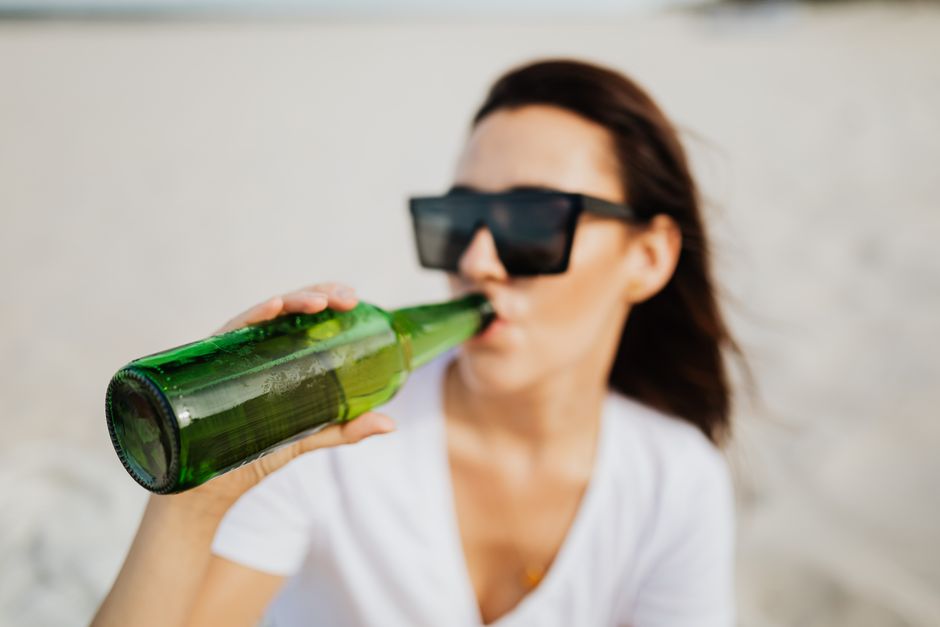
That sharp, burning sensation when you swallow hard liquor is a common reason people avoid shots and straight spirits. That burn is not just in your head — it is your body reacting to the alcohol itself. The good news is that there are several effective ways to make alcohol go down easier without the burn, ranging from how you drink to what you choose to drink. The most reliable methods involve chilling the alcohol, choosing lower-proof options, and using your mouth and throat to minimize direct contact with the spirit.
Why Does Alcohol Burn in the First Place?
The burn you feel is not from the alcohol damaging your throat. It is a specific nerve response. When alcohol touches the lining of your mouth and throat, it activates a receptor called TRPV1. This is the same receptor that reacts to capsaicin, the compound that makes chili peppers hot. Your brain interprets that signal as pain and heat.
Higher alcohol content means more activation of this receptor. A 40% ABV vodka will burn more than a 20% ABV liqueur. The type of alcohol also matters. Some compounds called congeners, which are byproducts of fermentation and aging, can intensify the burning sensation. This is why some people report that cheap vodka burns more than a smoother, more expensive brand, even at the same proof.
Understanding this mechanism matters because it explains why some solutions work and others do not. You cannot stop the nerve from firing entirely, but you can reduce the intensity of the signal.
How To Make Alcohol Go Down Easier Without The Burn: The Chilling Method
Temperature is one of the most effective tools you have. Cold liquids numb the mouth and throat slightly, which reduces the sensitivity of those pain receptors. This is why chilled vodka is a standard practice in bars.
Keep your bottle in the freezer for at least a few hours before you plan to drink. The alcohol will not freeze solid at typical freezer temperatures. Most freezers sit around 0°F (-18°C), and vodka freezes at about -16°F (-27°C). The cold does more than just mask the burn — it changes the viscosity of the liquid, making it feel thicker and smoother as it goes down.
You can also use ice cubes in a glass. The dilution from melting ice lowers the alcohol percentage slightly, which reduces the burn. The trade-off is that you are drinking more liquid for the same amount of alcohol. Many people find this acceptable because the drink goes down much smoother.
One caution: cold alcohol can mask the flavor and the strength of the drink. It is easy to drink faster than you intend. Pace yourself and be aware of how much you have consumed, especially with high-proof spirits.
Choose Lower-Proof and Smoother Spirits
The simplest way to avoid the burn is to drink something with less alcohol. This is not a trick — it is basic chemistry. The higher the proof, the stronger the TRPV1 response, and the more intense the burn.
Look for bottled-in-bond spirits at 100 proof (50% ABV) or higher, and recognize that these will burn significantly more than a standard 80 proof (40% ABV) bottle. If you want a smooth shot, consider liqueurs like amaretto, coffee liqueur, or fruit-flavored schnapps, which typically sit around 20% to 30% ABV.
Some spirits are also naturally smoother than others. Tequila made from 100% blue agave is generally considered smoother than mixto tequila, which contains other sugars. Aged rums and whiskies often have a softer mouthfeel because of the compounds they pick up from oak barrels during aging.
It is worth noting that “smoothness” is partly subjective. What feels smooth to one person may burn another. The proof is the most reliable predictor of burn intensity.


Use a Chaser the Right Way
A chaser does not just wash the taste away. When used correctly, it can prevent the burn from starting. The idea is to coat your mouth and throat before the alcohol arrives.
Take a small sip of your chaser first and hold it in your mouth. Swallow the alcohol down through that layer of liquid. The chaser dilutes the alcohol as it passes through your mouth and throat, reducing direct contact with the sensitive lining. Follow immediately with another sip of the chaser.
Carbonated chasers like soda water or ginger ale can make the burn worse for some people. The bubbles open up the pain receptors in your throat. If you are sensitive to the burn, stick with non-carbonated options like juice, milk, or even pickle brine.
Citrus juices are particularly effective because the acidity can mask some of the harshness of the alcohol. Lime juice is a traditional pairing with tequila for this reason. Dairy-based chasers like milk or cream coat the throat more thoroughly than water, creating a stronger barrier.
Breathe Out Before You Swallow
This is a technique that many experienced drinkers use without realizing it. Before you take the shot, exhale fully through your mouth. Then take the shot and swallow. Do not inhale until the alcohol is down.
The reason this works is simple. The burn is partly a vapor sensation. When you inhale, you pull alcohol vapors into your nasal passages, which intensifies the burning feeling. Exhaling before the shot clears those passages and prevents you from pulling the vapors up into your nose.
This technique does not reduce the actual burn in your throat, but it does eliminate the secondary burn in your sinuses. For many people, that nasal burn is the worst part of taking a shot. This is a free, zero-calorie method that works every time.
Do not hold your breath after the shot. Resume normal breathing through your nose as soon as you have swallowed. This keeps the vapors away from your nasal passages.
What Actually Does Not Work
There are several popular myths about avoiding the burn that do not hold up. Knowing what does not work can save you from a worse experience.
Biting a lemon before the shot does not help. The sour taste does not block the pain receptors. The traditional salt-tequila-lemon routine is about flavor, not about reducing the burn. The citrus can actually make the alcohol sting more if you have any small cuts or irritation in your mouth.
Breathing in through your nose while swallowing makes the burn worse. This pulls alcohol vapors directly into your nasal cavity, which is even more sensitive than your throat.
Mixing alcohol with energy drinks does not reduce the burn. The carbonation in energy drinks can worsen the sensation. Caffeine also masks the sedative effects of alcohol, which can lead you to drink more than you realize.
There is no evidence that any supplement or pill taken before drinking reduces the burn. Some products claim to coat your stomach or throat, but no clinical study has confirmed that they meaningfully reduce the sensation of drinking alcohol.
When the Burn Is a Warning Sign
Most of the time, the burn is a normal response to alcohol. But there are situations where it signals something else.
If you feel intense pain, not just a burning sensation, when you swallow alcohol, that could indicate damage to your throat or esophagus. Conditions like acid reflux, esophagitis, or a throat infection can make alcohol extremely painful. If this is a new or persistent symptom, it is worth discussing with a doctor.
A sudden intolerance to alcohol can also develop with age. Some people find that their tolerance for the burn decreases over time. This is not dangerous by itself, but it is a sign that your body is changing.
Alcohol is also a known irritant to the stomach lining. If you feel a burning sensation in your chest or stomach after drinking, that is not the same as the throat burn. That could be acid reflux triggered by alcohol. If this happens regularly, reducing or eliminating alcohol is the most direct solution.
Frequently Asked Questions
Does chilling alcohol actually reduce the burn?
Yes. Cold alcohol numbs the mouth and throat, which reduces the sensitivity of the pain receptors that cause the burning sensation.
What is the best chaser for avoiding the burn?
Non-carbonated, thicker liquids like milk, cream, or citrus juice work best because they coat the throat and dilute the alcohol as it passes through.
Why does cheap alcohol burn more than expensive brands?
Cheaper spirits often contain more congeners, which are byproducts of fermentation that can intensify the burning sensation at the same alcohol percentage.
Is it dangerous to feel a burn when drinking alcohol?
No, the burn is a normal nerve response. But if you feel sharp pain rather than a burn, or if the sensation is new and persistent, talk to a doctor.
