
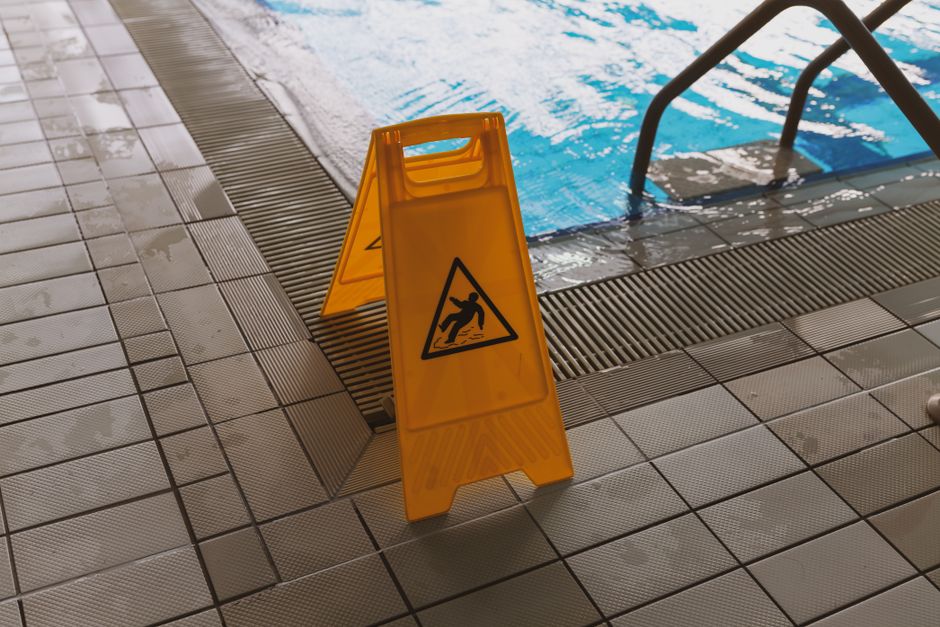
Slippery tile floors are a safety hazard, but the common fix of adding more soap often makes the problem worse. Residue from cleaning products is the main reason tile becomes slick. The most reliable way to clean slippery tile without leaving residue is to use a pH-neutral cleaner diluted in warm water, followed by a plain water rinse and a thorough dry with a microfiber mop. This method removes the existing film without adding a new one.
Why Does Tile Become Slippery in the First Place?
Tile itself is not usually the problem. The slippery layer is almost always a buildup of something on top of the tile. Soap scum, body oils, cooking grease, and hard water minerals combine to form a thin film. This film is what you feel underfoot.
Many liquid cleaners contain ingredients that leave a residue behind. Some leave a waxy or polymer film that is supposed to protect the floor. On tile, this film can be as slippery as the dirt it replaced. This is especially true for “shine” or “polish” products marketed for floors.
Hard water is another common culprit. Calcium and magnesium in the water deposit onto the tile as the water evaporates. These mineral deposits create a rough, sticky surface that traps more grime. The result is a floor that feels sticky or slick depending on the type of buildup.
What Is the Best Cleaning Solution to Use?
The most effective approach is a two-step process: clean and then rinse. For the cleaning step, use a solution that breaks down grease and soap scum without leaving its own film behind.
A simple solution of warm water and a few drops of liquid dish soap works well for most kitchens and bathrooms. Dish soap is designed to cut through grease and rinse away cleanly. Use it sparingly. Too much soap leaves a film. A capful per gallon of warm water is generally enough for most floors.
For floors with heavy mineral buildup, a solution of equal parts white vinegar and water can help dissolve hard water deposits. Vinegar is a mild acid that breaks down minerals. However, do not use vinegar on natural stone tile such as marble, travertine, or slate. The acid etches and dulls these surfaces.
Commercial pH-neutral floor cleaners are a safe choice for all tile types. They are formulated to clean without leaving residue. Look for a product labeled “pH neutral” and follow the dilution instructions on the bottle. These are widely available and are the standard recommendation for routine tile maintenance.
How Do You Rinse the Floor Properly?
Rinsing is the step most people skip, and it is the step that prevents residue. After you clean the floor with your cleaning solution, go over it again with a mop dipped in plain clean water. This removes the cleaning solution itself, along with the dirt it lifted.
Use a clean mop head for the rinse pass. A mop head that is already dirty will just spread dirt back onto the floor. Wring the mop out well before applying it to the floor. A soaking wet mop leaves standing water that dries into spots and streaks.
Change the rinse water frequently. As soon as the water looks cloudy, dump it and refill with fresh clean water. Rinsing with dirty water defeats the purpose of rinsing. For large areas, you may need to change the water two or three times.
If you are cleaning a very large area, consider using two buckets. One bucket for the cleaning solution and one for rinse water. This keeps the rinse water cleaner for longer. This is the same principle used by professional cleaners.
What Is the Best Way to Dry the Floor?
Drying the floor is not optional if you want to avoid residue and streaks. Water that evaporates on its own leaves behind the minerals and dirt it contained. This is exactly how hard water spots form.
Use a dry microfiber mop to go over the floor immediately after rinsing. Microfiber absorbs water quickly and picks up any remaining film. A dry microfiber mop on a wet floor is the most effective way to get a completely dry, streak-free surface.
For smaller areas like bathrooms, a clean dry towel or a microfiber cloth works well. Mop up the standing water and buff the tile as you go. This step takes a few extra minutes but makes a noticeable difference in how the floor looks and feels.
Allow the floor to air dry completely before walking on it. Even with mopping, some moisture remains in the grout lines. Walking on a damp floor with shoes or socks can redeposit dirt and make the surface feel slick again.
Which Cleaning Tools Work Best on Tile?
The tool matters as much as the cleaner. A traditional sponge mop tends to push dirty water around and is hard to rinse thoroughly. String mops can work but are difficult to wring out completely and can leave excess water behind.
A microfiber flat mop is the best option for tile floors. The flat head reaches into grout lines and corners better than a bulky sponge mop. Microfiber also lifts and traps dirt rather than pushing it around. Many flat mops come with a spray bottle attachment, which can be convenient, but be careful not to overuse the cleaning solution.
For very slippery floors, a scrub brush or a deck brush can help break up stubborn buildup before you mop. Use a stiff-bristled brush on the floor with your cleaning solution. Scrub the grout lines and any areas with visible film. Then rinse and mop as usual.
A squeegee is an excellent tool for drying large tile areas. After rinsing, use a floor squeegee to push the water toward a drain or a towel. This removes most of the water quickly, leaving less for the microfiber mop to absorb.
How Often Should You Clean Tile Floors to Prevent Slipperiness?
Frequency depends on the room and how much foot traffic it gets. A kitchen floor that gets food spills and grease splatter may need cleaning weekly. A bathroom floor that gets wet from showers may need attention more often to prevent soap scum and mineral buildup.
Daily sweeping or vacuuming is important. Loose dirt and grit act like sandpaper on tile. They scratch the surface and create a rough texture that holds onto grime. Removing loose debris daily makes the weekly wet cleaning much more effective.
In high-traffic entryways, placing doormats inside and outside the door helps reduce the amount of dirt tracked onto the tile. This simple step reduces how often you need to do a deep wet cleaning.
If your floor feels slippery even after a thorough cleaning, the problem may be the tile itself. Some polished porcelain and glazed ceramic tiles are inherently slick, especially when wet. In that case, cleaning will not solve the slipperiness. You may need to address the surface with a non-slip treatment or add rugs in key areas.
Are There Any Home Remedies That Do Not Work?
Several popular internet remedies for slippery floors are not effective and can cause damage. Fabric softener is often suggested as a cleaner, but it leaves a waxy film on tile that is extremely slippery. Do not use fabric softener on floors.
Baby shampoo is another common suggestion. While it is gentler than some detergents, it still leaves a residue if not rinsed thoroughly. The same rule applies: any soap-based product must be rinsed completely to avoid a film.
Some people recommend coating the floor with a mixture of vinegar and baking soda. This combination creates a fizzing reaction that looks like it is cleaning, but it is mostly just carbon dioxide gas. The abrasive nature of baking soda can scratch glossy tile. It is not a reliable way to remove grease or soap scum.
Commercial “slippery floor” treatments that claim to etch the surface can be effective but are permanent. These products change the texture of the tile itself. They are typically used in commercial settings and are not recommended for home use without professional application.
When Should You Consider a Professional Cleaning?
If you have tried the cleaning and rinsing method and the floor is still slippery, you may have a deep buildup that regular mopping cannot remove. Over time, layers of wax, polish, or hard water scale can accumulate. These layers require a stronger approach.
Professional tile and grout cleaners use specialized equipment that strips old buildup and extracts the residue from the floor. This process can restore a non-slip surface that has become dangerously slick over years of improper cleaning.
After a professional deep cleaning, your regular maintenance routine will be much more effective. The key is to maintain the clean surface with pH-neutral cleaners and consistent rinsing. Avoid using wax-based polishes or “shine” products on tile floors if slipperiness is a concern.
Frequently Asked Questions
What is the fastest way to make a slippery tile floor less slippery?
Clean the floor with a degreasing solution and then rinse it thoroughly with plain water. Dry the floor completely with a microfiber mop to remove any remaining film.
Can I use vinegar on all types of tile?
No, do not use vinegar on natural stone tile like marble, travertine, or slate. Vinegar is acidic and will etch and dull these surfaces.
Why does my floor feel sticky after I mop it?
You are likely using too much cleaning solution or not rinsing the floor with plain water afterward. The soap residue left on the tile is what feels sticky.
Is a steam mop good for cleaning slippery tile?
Steam mops can remove grease and grime without chemicals, but they can also push dirty water into grout lines. Use one only on sealed tile and follow with a dry microfiber pass.
