
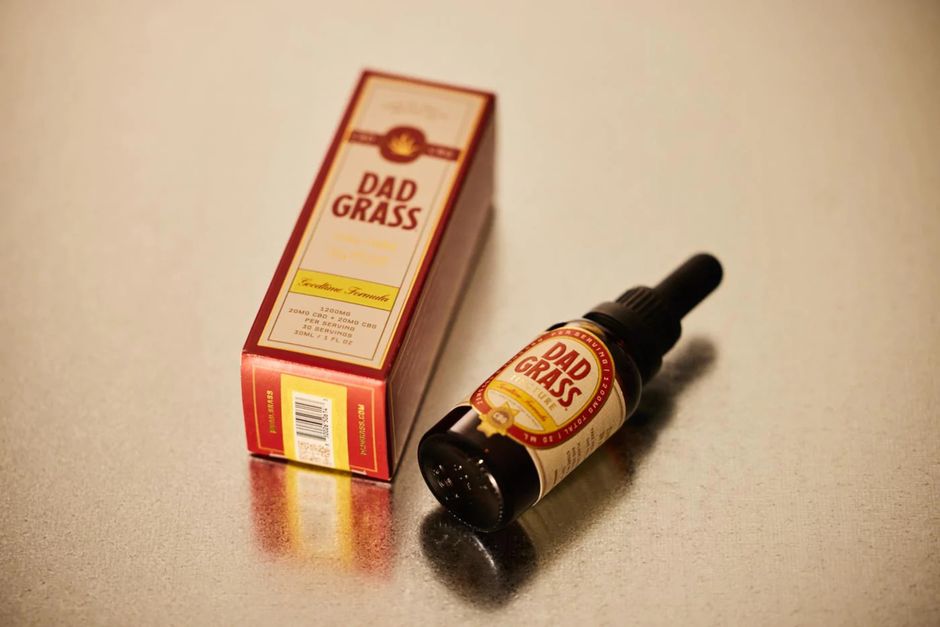
Making a tincture at home means soaking plant material in alcohol to pull out its active compounds. The result is a concentrated liquid extract you take by the drop. It is a simple process, but doing it right matters for both safety and potency. Here is what you need to know before you start.
What Is a Tincture and How Does It Work?
A tincture is a liquid herbal extract. The plant material sits in a solvent — usually high-proof alcohol — for several weeks. The alcohol draws out compounds from the plant, including the ones believed to have medicinal effects.
Alcohol works well because it dissolves both water-soluble and fat-soluble plant compounds. That makes it more versatile than water-based extracts like teas. The alcohol also preserves the extract, giving it a long shelf life.
Most tinctures use ethanol, the same alcohol found in beverages. You need a high percentage — typically at least 40% alcohol by volume, and often higher. This is not the time to use rubbing alcohol or isopropyl alcohol. Those are toxic and never safe for internal use.
What You Need Before You Start
Gathering the right supplies makes the process straightforward. Here is the basic list:
- Dried or fresh plant material
- High-proof alcohol, such as vodka, brandy, or grain alcohol
- A glass jar with a tight-fitting lid
- Cheesecloth or a fine mesh strainer
- Dark glass dropper bottles for storage
- Labels and a permanent marker
The alcohol you choose matters. Vodka at 80 proof (40% alcohol) works for many herbs. For fresh plant material, you may need a higher proof — around 95% alcohol — because fresh plants contain water that dilutes the solvent. Grain alcohol like Everclear is a common choice, but it is not available in all states.
Use only food-grade alcohol. Never use denatured alcohol, which has added chemicals to make it undrinkable. It is poisonous.
How To Make A Tincture: The Step-by-Step Process
The method is called maceration. It involves soaking, waiting, and straining. Here is how to do it.
Step 1: Prepare the plant material. If you are using dried herbs, chop or crumble them lightly. Dried herbs are more concentrated than fresh ones, so you use less. If you are using fresh herbs, chop them finely to increase the surface area.
Step 2: Fill the jar. Fill the jar about halfway with dried herbs or two-thirds full with fresh herbs. Do not pack it down tightly. The alcohol needs room to move around the plant material.
Step 3: Pour the alcohol. Pour the alcohol over the herbs until they are completely covered. Leave about an inch of space at the top of the jar. The herbs will absorb some liquid, so check after a few hours and add more alcohol if needed.
Step 4: Seal and label. Close the lid tightly. Write the plant name, the type of alcohol, the date, and the ratio you used on the label. You will thank yourself later.
Step 5: Store and shake. Put the jar in a cool, dark place. Shake it once a day for the first week, then once a week after that. The shaking helps the alcohol extract the compounds more efficiently.
Step 6: Wait. The standard steeping time is four to six weeks. Some people strain after two weeks, but longer steeping generally yields a stronger extract. The plant material should look faded and spent by the time the tincture is ready.
Step 7: Strain and bottle. Line a strainer with cheesecloth and pour the mixture through it. Squeeze the cloth to get out as much liquid as possible. Pour the finished tincture into dark glass dropper bottles and label them again.




Fresh Herbs vs. Dried Herbs: Which Should You Use?
Both fresh and dried herbs can make good tinctures. The choice changes the ratio and the alcohol strength.
For dried herbs, a common ratio is 1 part herb to 5 parts alcohol by weight. For fresh herbs, the ratio is often 1 part herb to 2 parts alcohol. These are general starting points. Some herbal traditions use different ratios depending on the plant.
Fresh herbs contain water, which dilutes the final alcohol percentage. To keep the alcohol concentration high enough, you need a stronger starting alcohol — usually at least 60% alcohol by volume. Dried herbs work fine with 40% alcohol because they add no water to the mix.
There is a practical difference too. Fresh herbs are bulky. They take up more jar space and shrink as they release water. Dried herbs are easier to measure consistently and are available year-round.
How Much Tincture Should You Take?
There is no universal dose for tinctures. The right amount depends on the herb, the concentration of the tincture, and the person taking it.
Many commercial tinctures suggest taking 1 to 2 droppersful, which is roughly 1 to 2 milliliters, one to three times per day. But this varies widely by product and herb. Some herbs are gentle and taken in larger amounts. Others are potent and require only a few drops.
The evidence for most herbal tincture doses is limited. Clinical trials on specific herbs and doses exist for some plants, but not for most. If you are using a commercial product, follow the label instructions. If you made your own, start with a small amount — a few drops — and see how your body responds.
Do not guess with potent herbs. Some plants can cause serious side effects at high doses. If you are unsure, talk to a healthcare provider who has training in herbal medicine.
Safety Considerations You Cannot Skip
Tinctures are not harmless just because they are natural. The alcohol itself is a factor, especially for people who avoid alcohol for medical or personal reasons.
Pregnant women should not use alcohol-based tinctures. The alcohol content can be significant, even in small doses. Alcohol-free alternatives exist, such as glycerin-based extracts, but the evidence on their extraction efficiency is more limited.
People with liver disease, a history of alcohol use disorder, or those taking certain medications should also avoid alcohol-based tinctures. Check with a healthcare provider first.
Some herbs interact with prescription medications. St. John’s wort, for example, affects how the liver processes many drugs. Ginkgo can increase bleeding risk. This is not an exhaustive list. Research any herb you plan to use and talk to a professional if you take daily medication.
Never use a plant you cannot identify with certainty. Mistaking one plant for another can be dangerous or fatal. If you are foraging, use a field guide and cross-check your identification. When in doubt, leave it out.
How Long Do Tinctures Last?
Properly made tinctures have a long shelf life. Stored in dark glass bottles away from heat and light, most tinctures last several years.
The alcohol acts as a preservative. At 40% alcohol or higher, the alcohol content is generally high enough to prevent bacterial and fungal growth. Tinctures made with lower-proof alcohol may not last as long.
Signs that a tincture has gone bad include cloudiness, an off smell, or visible mold. If you see any of these, discard the tincture. Do not use it.
Frequently Asked Questions
What alcohol is best for making tinctures?
High-proof food-grade alcohol like vodka or grain alcohol is best. Use at least 40% alcohol by volume for dried herbs and higher proof for fresh herbs.
How long does a tincture need to steep?
Most tinctures steep for four to six weeks. Shaking the jar regularly during that time helps the extraction process.
Can I make a tincture without alcohol?
Yes, glycerin and vinegar can be used as alternatives, but they extract fewer plant compounds than alcohol. Alcohol-free tinctures also have a shorter shelf life.
Are homemade tinctures safe?
They can be safe if you use the correct plant, food-grade alcohol, and clean equipment. They can be dangerous if you misidentify a plant or use a toxic solvent.
Making a tincture is a practical skill that takes patience more than expertise. Measure carefully, label everything, and never rush the steeping time. When done properly, a homemade tincture can be a useful addition to your home apothecary.
