
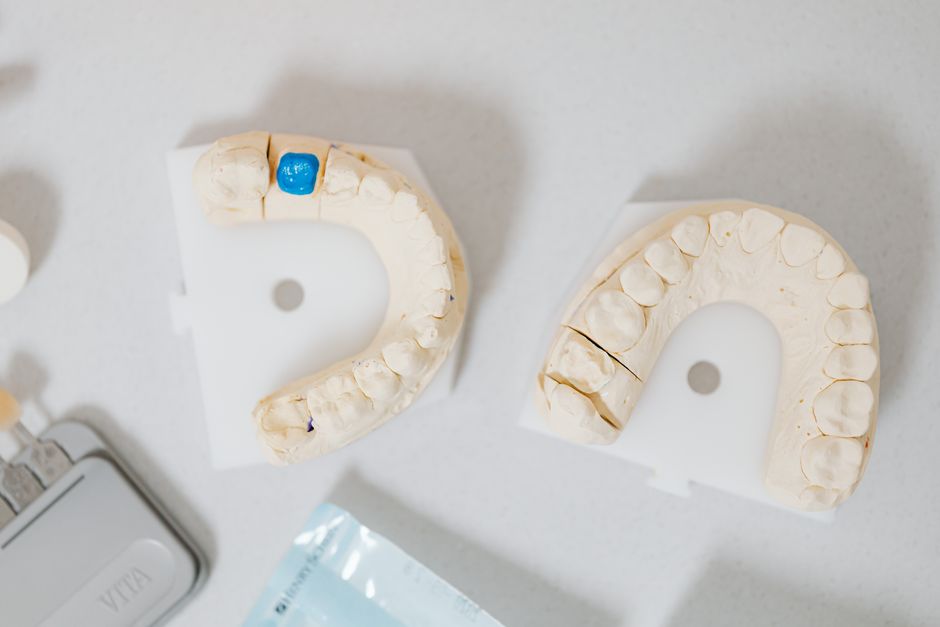
You cannot make a temporary crown without an impression in a way that meets the standard of care. A temporary crown has to fit the prepared tooth closely enough to protect it, stay in place, and keep the surrounding gum tissue stable. That fit depends on capturing the exact shape of the tooth and the margins around it. Without an impression, or without a digital scan that does the same job, you are guessing at that shape. A guessed crown leaks, comes loose, or irritates the gum. The honest answer is that the impression step is not optional for a properly made temporary. What people are usually looking for is a way to handle a lost or broken temporary, or a way to get through a dental emergency when a dentist is not available. Those are real situations, and there are safer ways to manage them than trying to fabricate a crown at home.
Why Is An Impression Needed To Make A Temporary Crown?
An impression is a negative mold of your teeth and gums. It records the shape of the prepared tooth, the margin where the crown will sit, and the way your upper and lower teeth meet. That information is what lets a lab or a dentist build a temporary that fits.
Fabricating a crown without that record means working from an approximate shape. A temporary crown that does not match the margin leaves a gap. That gap lets saliva, bacteria, and food reach the prepared tooth. The tooth underneath has usually been reduced and is no longer protected by its own enamel in that area, so it is more vulnerable to decay and sensitivity.
Fit also controls retention. A temporary stays on because it grips the tooth closely. If the shape is off, the crown rocks, the cement breaks down, and the crown falls off. There is no way to reliably reproduce that fit by eye or by hand without a record of the tooth.
Can A Dentist Make One Without Traditional Impression Putty?
Yes, and this is the useful part of the answer. Modern dentistry can skip the tray of putty, but it does not skip the record. A digital intraoral scanner captures the same information as an impression. The scanner builds a 3D model of the prepared tooth and the surrounding area, and that model is used to design and mill or print a temporary crown.
This is often called a same-day or chairside workflow. The dentist scans, designs the crown on a computer, and a milling unit shapes it from a block of material while you wait. The result is a temporary or sometimes a definitive restoration, depending on the material and the plan.
So the accurate statement is this: you can make a temporary crown without impression putty, but you cannot make one without capturing the geometry of the tooth. A scan and an impression are two ways of recording the same thing. One is digital, one is physical. Neither is optional.
What Should You Do If Your Temporary Crown Falls Off?
A lost temporary is a dental problem, not a craft project. The prepared tooth is exposed, and it can shift, become sensitive, or develop decay if it stays uncovered. The right move is to contact a dentist and get it re-cemented or remade.
If you cannot reach a dentist right away, there are temporary measures that are widely used to protect the tooth until you can be seen. These are holding actions, not solutions.
- Keep the area clean and avoid chewing on that side.
- Some dentists suggest a small amount of dental adhesive from a pharmacy temporary repair kit to hold the crown back in place short term. These kits are sold for exactly this purpose, though they are not a substitute for a proper re-cementation.
- If the crown is lost entirely, a piece of dental wax or sugar-free gum over the tooth is sometimes used to reduce sensitivity and shield the area for a few hours. This is a stopgap only.
- Avoid very hot, very cold, or sugary foods and drinks on that side, since the exposed tooth may react and is at higher risk of decay.
None of these restore a proper fit. They buy time. If more than a day or two passes, the tooth can move slightly, and a temporary that used to fit may no longer seat correctly.



Can You Make A Temporary Crown At Home?
You can buy over-the-counter temporary crown and filling materials at a pharmacy. These products exist, and some people use them when a dentist is not accessible. But it is important to be clear about what they are and are not.
These kits are designed mainly for re-cementing an existing crown that has come off, not for building a new crown from scratch. Some kits include a moldable material you can shape over a tooth, but shaping it by hand does not reproduce the fit a dentist or a scanner captures. A homemade crown typically sits high, does not match the margin, and can trap bacteria or irritate the gum.
There is also a real risk of doing harm. A crown that sits too high changes your bite and can make the opposing tooth sore. Material pushed into the gum can inflame it. If the tooth underneath is already damaged or decayed, covering it at home can hide a problem that needs treatment.
The evidence on do-it-yourself dental crowns is essentially absent. No clinical studies support making a functional temporary crown at home as a substitute for professional care. These kits are best understood as emergency holdovers until you can see a dentist.
What Are The Risks Of Skipping Proper Care?
The main risk is damage to the tooth that the temporary is supposed to protect. A prepared tooth has lost part of its outer layer. Without a well-fitting cover, it is exposed to oral bacteria and to temperature and pressure changes.
Over time, that exposure can lead to:
- Decay on the prepared tooth, which may change the final treatment plan.
- Gum inflammation around the margin.
- Shifting of the tooth, which can affect how the final crown fits.
- Sensitivity or pain that signals a deeper problem, sometimes involving the nerve.
These outcomes are not guaranteed in every case, and a short delay is often fine. The concern grows with time and with how well the tooth is protected in the meantime. This is why dentists treat a lost temporary as something to address promptly rather than wait out.
How Do Dentists Choose A Temporary Crown Method?
The choice depends on the tooth, the material, and the equipment available. Traditional impression and digital scanning both produce a working record. The table below shows how the common approaches compare in broad terms.
| Method | How It Records The Tooth | Typical Use |
|---|---|---|
| Traditional impression | Putty or gel in a tray | Sent to a lab; temporary or final crown made off-site |
| Digital scan | Intraoral camera builds a 3D model | Chairside milling or lab; often same-day |
| Pre-formed temporary | Stock crown adjusted to fit | Short-term coverage, shaped chairside |
Even the pre-formed stock temporary, which is the closest thing to a crown made without a custom impression, is still fitted and adjusted by a dentist against your actual tooth. It is not made blind.
What Is The Bottom Line?
There is no safe, reliable way to make a temporary crown without recording the shape of the tooth. That recording can be an impression or a digital scan, but it cannot be skipped. Anything that claims otherwise is either selling an emergency repair kit or misunderstanding what a temporary crown does.
If you have a dental emergency and no access to a dentist, temporary repair products and simple protective measures can help you get through a short period. They are not a way to make a proper crown. The moment you can reach a dentist, that is the step that actually solves the problem.
Frequently Asked Questions
Can you make a temporary crown without an impression?
No, not in a way that produces a properly fitting crown. You can replace the impression with a digital scan, but you still have to capture the shape of the tooth. Without that record, the crown will not fit correctly.
Can a dentist make a temporary crown in one visit?
Yes, many dentists can scan the tooth and mill a temporary or same-day crown in a single appointment. The impression step is replaced by a digital scan rather than removed.
What can I use if my temporary crown falls off and I can’t see a dentist?
Pharmacy temporary repair kits can hold a crown back on for a short time, and dental wax or sugar-free gum over an exposed tooth can reduce sensitivity for a few hours. These are stopgaps only and do not replace professional re-cementation.
Is it safe to make a crown at home with a store-bought kit?
These kits are meant mainly for re-cementing an existing crown, not for building a new one, and no clinical evidence supports making a functional crown at home. A homemade crown can sit too high, irritate the gum, or hide decay underneath.
