
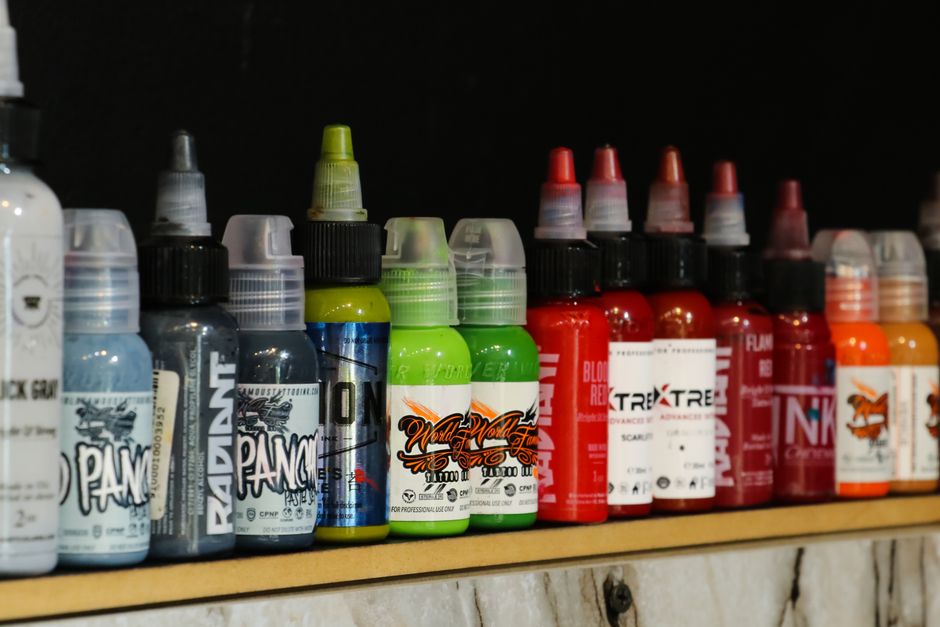
Getting a tattoo means your skin is broken by a needle thousands of times. The tools that touch your skin, the ink that goes into it, and the way everything is cleaned decide whether that experience stays a piece of art or becomes an infection. In the United States, tattoo artists are not licensed by a single federal agency. Oversight comes mostly from state and local health departments, which means safety depends heavily on the shop you choose and the standards it follows.
Safe tattooing rests on three things: sterile single-use equipment, ink that meets regulatory limits for harmful substances, and an artist trained in infection control. When any one of those breaks down, the risk of infection, allergic reaction, or long-term skin damage goes up. This article explains how the tools work, what sterility actually means, and what you can check before you sit in the chair.
How Are Tattoo Tools Supposed to Be Made and Used Safely?
A tattoo machine is a hand-held device that drives a needle bar up and down to push pigment into the second layer of skin, called the dermis. The needle itself is the part that matters most for safety. In a properly run shop, needles come sealed in sterile packaging, are used on one person only, and are thrown away in a sharps container afterward.
The machine, the grip, and the tube that holds the needle are handled differently. Some parts can be sterilized and reused. Others are disposable. The key principle is simple: anything that touches blood or breaks the skin cannot be shared between clients without proper sterilization.
Sterilization is not the same as cleaning. Wiping a surface with disinfectant kills many germs, but it does not sterilize. True sterilization destroys all microorganisms, including bacterial spores that survive ordinary disinfection. In clinical settings this is usually done with an autoclave, a machine that uses pressurized steam at high temperature.
An autoclave only works if it is run correctly and tested regularly. Shops that reuse equipment should keep logs and use biological indicators, which are test strips that confirm the machine actually killed spores. If a shop cannot show you how it sterilizes reusable tools, that is a real warning sign.
What Makes Tattoo Ink and Pigment a Safety Concern?
Tattoo ink is not a cosmetic you rinse off. It is injected into living tissue and stays there for decades. That is why the safety of the pigment itself matters as much as the needle.
Ink can contain a mix of ingredients: colorants, solvents, and preservatives. Some colorants are metal-based. Certain pigments have historically contained substances that regulators now restrict. In the European Union, tattoo inks are regulated under chemical rules that set limits on certain aromatic amines and other substances of concern. In the United States, oversight of ink has been more limited, though the Food and Drug Administration has stated that it considers tattoo inks and pigments to fall under its authority and has taken action against some products.
Two practical concerns stand out:
- Contamination. Ink can become contaminated with bacteria if it is diluted with non-sterile water or handled carelessly. Outbreaks of skin infections have been linked to contaminated ink.
- Allergic reactions. Some people develop reactions to certain pigments, and red ink is a commonly reported trigger. These reactions can appear soon after tattooing or years later.
No ink is risk-free. The honest position is that long-term health effects of many pigments are not fully understood, and research is ongoing.
How To Make A Permanent Tattoo Ink Tools Safety a Priority in the Shop
This is where your choices matter most. You cannot sterilize a shop yourself, but you can judge whether it follows basic infection control. A few things are visible if you pay attention.
Watch for the setup. A careful artist prepares a fresh station, opens sealed sterile needles in front of you, and wears gloves that are changed as needed. They should clean the skin before starting and use single-use items like razors and cups for ink.
Ask direct questions. You have every right to know:
- Are the needles new and sealed, and will you open them in front of me?
- How do you sterilize any reusable equipment?
- Do you keep records of sterilization testing?
- Are you trained in bloodborne pathogen safety?
A professional will not be offended by these questions. Many artists are required to complete bloodborne pathogen training, and reputable shops expect clients to ask.
Look at the space. Surfaces should be cleanable. There should be a hand-washing sink, gloves, and sharps containers. If the shop looks dirty or the artist dismisses your questions, leave.





What Are the Real Health Risks of Tattooing?
The most common risk is a skin infection at the tattoo site. Symptoms include increasing redness, swelling, pain, warmth, or pus in the days after getting work done. Some infections are caused by bacteria introduced during the procedure, and some come from contaminated ink or aftercare problems.
More serious but less common risks include:
- Allergic reactions to pigment, which can be delayed.
- Bloodborne infections if equipment is reused without proper sterilization. This is why single-use needles and proper sterilization matter.
- Scarring, including raised scars called granulomas, where the body reacts to pigment.
- Complications during certain medical procedures. Some imaging tests, like MRI scans, have rarely caused reactions in people with tattoos, usually linked to metal-containing pigments.
People with certain health conditions may face higher risk. If you have a heart condition, a weakened immune system, or a skin condition like eczema or psoriasis, talk to a doctor before getting tattooed. The same applies if you are pregnant or breastfeeding. No clinical guidelines currently establish tattoo safety for pregnant or breastfeeding women, so the cautious approach is to wait or discuss it with a clinician.
Does Aftercare Affect Safety and Healing?
Aftercare is part of the safety chain. A clean, well-done tattoo can still get infected if it is not cared for properly in the first days and weeks.
General guidance from health agencies includes keeping the area clean, washing gently with soap and water, and following the artist’s instructions on ointment and covering. Avoid picking or scratching. Stay out of pools, hot tubs, and long baths while it heals, since soaking can introduce bacteria.
Healing timelines vary by person and by the size and location of the tattoo. The surface usually heals within a few weeks, but the deeper skin can take longer. If you notice spreading redness, fever, or worsening pain, contact a healthcare provider. These can be signs of infection that need treatment.
How Do Regulations and Licensing Fit In?
There is no single national tattoo safety law in the United States. Rules are set at the state and local level, and they vary widely. Some jurisdictions require shops to be permitted and artists to be trained in infection control. Others have fewer requirements.
That patchwork means the burden often falls on you to check. A shop that is licensed or permitted by a local health department has at least met some standard. You can often confirm this through your local health department.
Ink regulation is also uneven. The European Union has stricter rules on ink ingredients than the United States. If you have known allergies or sensitivities, ask what ink the artist uses and whether they have ingredient information.
What Should You Check Before Getting a Tattoo?
A short checklist can lower your risk:
- Choose a licensed or permitted shop with a clean, professional space.
- Confirm needles are new, sealed, and opened in front of you.
- Ask how reusable tools are sterilized and whether testing records exist.
- Tell your artist about allergies, skin conditions, or medications.
- Follow aftercare instructions carefully.
- Watch the healing site and seek medical care if something looks wrong.
None of this guarantees a perfect outcome. Tattooing always carries some risk. But most of the serious risks are linked to things you can check: sterility, single-use equipment, and the cleanliness of the shop. That is where your attention pays off most.
Frequently Asked Questions
Are tattoo needles reused?
They should never be reused. In any reputable shop, needles are sterile, single-use, and discarded in a sharps container after one client.
Can you get an infection from tattoo ink?
Yes. Contaminated ink has been linked to skin infections, and improper handling can introduce bacteria. Using sealed, quality ink and clean technique lowers this risk.
Is it safe to get a tattoo while pregnant?
No clinical guidelines currently establish tattoo safety during pregnancy or breastfeeding. The cautious approach is to wait or discuss it with your doctor.
What are signs a tattoo is infected?
Increasing redness, swelling, warmth, pain, or pus in the days after tattooing can signal infection. Fever or spreading redness needs prompt medical attention.
