
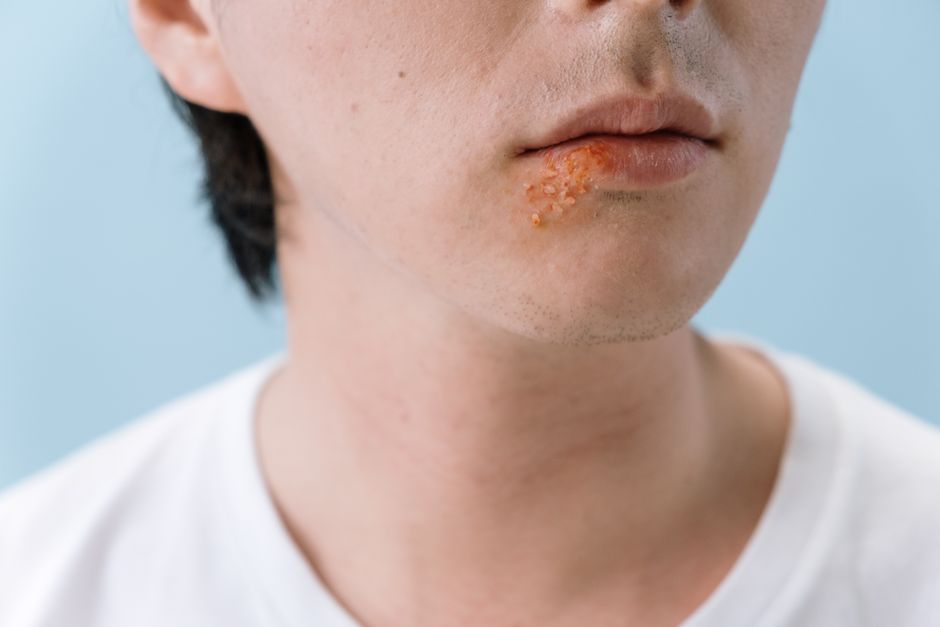
A cold sore appears without warning, usually right before an important event. You see that telltale tingle and know what is coming. The fastest way to make a cold sore less noticeable is to start treatment at the first sign of a tingle. Antiviral creams and oral medications work best when applied within the first 48 hours of symptoms. These treatments do not cure the virus, but they can shorten the outbreak and reduce its severity.
What Causes a Cold Sore to Appear?
Cold sores come from the herpes simplex virus type 1 (HSV-1). Most adults carry this virus, even if they never get outbreaks. The virus stays dormant in nerve cells near the face after the first infection.
When something triggers the virus, it travels back to the skin surface. That is when you get the blister. Common triggers include stress, illness, fatigue, sun exposure, and hormonal changes. Some people notice a pattern with their outbreaks. Others never identify a clear trigger.
Understanding your personal triggers matters. If you know sun exposure causes your outbreaks, you can take steps to prevent them. If stress is your trigger, managing stress levels may reduce how often you get cold sores.
How To Make A Cold Sore Less Noticeable Fast: Start With Early Treatment
The single most effective step is timing. The moment you feel that tingling, burning, or itching sensation, begin treatment. This phase is called the prodrome. Starting medication during the prodrome can stop the blister from fully forming.
Over-the-counter creams containing docosanol are available without a prescription. Applied five times daily at the first sign of symptoms, they can shorten healing time. These creams work best when the cold sore is still in the tingling stage.
Prescription antiviral medications are stronger. Acyclovir, valacyclovir, and famciclovir are the most common options. These come as creams or pills. Oral antivirals require a prescription from a doctor or telehealth provider. When taken at the first sign of an outbreak, they can reduce healing time by one to two days.
Some people carry antiviral medication with them at all times. If you get frequent outbreaks, ask your doctor whether having a standing prescription makes sense for you.
Covering a Cold Sore: Makeup and Concealers
Once the cold sore has formed, you cannot make it disappear instantly. But you can make it less visible. Specialized cold sore concealers exist for this purpose. They contain ingredients that help the product adhere to the blister surface.
Regular makeup can work too, but technique matters. Start with a clean, dry cold sore. Apply a thin layer of concealer using a clean brush or your fingertip. Never share makeup applicators with anyone else. The virus spreads easily through shared cosmetics.
Avoid applying makeup to an open or weeping cold sore. This increases the risk of spreading the virus to other parts of your face. It also increases the risk of bacterial infection in the sore itself.
When the cold sore has crusted over, makeup can be applied more safely. Use a gentle touch to avoid cracking the scab. A cracked scab bleeds, takes longer to heal, and becomes more noticeable.




Home Remedies: What Works and What Does Not
Many home remedies circulate online. Some have limited evidence behind them. Others are harmless but ineffective. A few can actually make things worse.
Ice packs can reduce swelling and numb the area. This provides temporary relief but does not shorten the outbreak. Applying ice for 10 to 15 minutes several times daily can make the sore less swollen and therefore less noticeable.
Lysine supplements are popular for cold sore prevention and treatment. Some studies suggest lysine may help reduce outbreak frequency, but the evidence is not strong. No clinical guidelines currently recommend lysine as a standard treatment. Taking lysine is unlikely to cause harm, but do not expect dramatic results.
Tea tree oil and essential oils are sometimes recommended. These can irritate the skin and delay healing. The evidence for their effectiveness is minimal. Avoid applying undiluted essential oils to a cold sore.
Toothpaste on a cold sore is a common viral myth. There is no evidence this works. The ingredients in toothpaste can irritate the delicate skin around your mouth. Skip this one.
Aloe vera gel may provide soothing relief. It has anti-inflammatory properties. But no large human trials have confirmed it speeds up cold sore healing.
What Not To Do During an Outbreak
Picking or popping a cold sore is the worst thing you can do. The fluid inside the blister contains live virus. Popping it spreads the virus to nearby skin and increases the risk of scarring. It also prolongs the healing process.
Avoid touching the cold sore with your hands. If you do touch it, wash your hands immediately. The virus can transfer to your eyes, causing a serious infection called herpetic keratitis. This condition can threaten vision if not treated promptly.
Do not kiss anyone while you have an active cold sore. The virus spreads through direct contact with the blister fluid. You can also spread the virus through oral sex, which can cause genital herpes. Wait until the cold sore has completely healed and the scab has fallen off naturally.
Avoid sharing cups, utensils, towels, lip balm, or razors during an outbreak. The virus can survive on surfaces for a short time. This is how the virus often spreads between family members.
How Long Does a Cold Sore Last?
An untreated cold sore typically lasts 8 to 12 days. The timeline depends on when you start treatment and how your body responds.
The outbreak follows a predictable pattern. Day one to two involves the tingling and redness. Days two to four bring the blister formation. The blister then bursts, leaving an open sore. This is the most painful and most contagious phase. A crust forms over the next few days. The scab eventually falls off, revealing new skin underneath.
With early antiviral treatment, the entire process can be shortened to about five to seven days. The cold sore may also be smaller and less painful.
Your immune system plays a role in healing speed. People who are run down, stressed, or fighting another illness may heal more slowly. Getting adequate sleep and managing stress during an outbreak supports your body’s natural healing process.
Preventing Future Outbreaks
Prevention is easier than treatment. If you know your triggers, you can take steps to avoid them.
Sun exposure is a common trigger. Use lip balm with SPF 30 or higher daily. Reapply throughout the day, especially if you spend time outdoors. Sun damage to the lips can also increase the frequency of outbreaks over time.
If stress triggers your outbreaks, find ways to manage it. Exercise, adequate sleep, and relaxation techniques can help. Some people find that regular exercise reduces their outbreak frequency.
For people with frequent outbreaks, doctors sometimes recommend daily suppressive antiviral therapy. This means taking a low dose of antiviral medication every day to prevent outbreaks. This approach can reduce outbreak frequency by 70 to 80 percent. Talk to your doctor about whether this is right for you.
Keep your immune system strong. Eat a balanced diet, stay hydrated, and get enough sleep. A well-functioning immune system keeps the virus in check.
When To See a Doctor
Most cold sores resolve on their own without medical attention. But certain situations warrant a doctor’s visit.
See a doctor if the cold sore does not heal within two weeks. This could indicate a secondary infection or another condition entirely. If the cold sore spreads to your eyes, seek medical care immediately.
People with weakened immune systems should consult a doctor at the first sign of an outbreak. This includes people undergoing chemotherapy, organ transplant recipients, and people with uncontrolled HIV. Cold sores can be more severe and longer lasting in these populations.
If you get more than six outbreaks per year, discuss prevention options with your doctor. Frequent outbreaks may benefit from daily suppressive therapy.
Severe pain, fever, or swelling around the cold sore are signs of complications. These symptoms warrant prompt medical evaluation.
Frequently Asked Questions
Can I pop a cold sore to make it heal faster?
No. Popping a cold sore spreads the virus, increases the risk of infection, and can cause scarring. Let it heal naturally.
Does toothpaste get rid of cold sores?
No. There is no evidence toothpaste helps cold sores, and it can irritate the skin. Use a proven antiviral treatment instead.
Can I wear makeup over a cold sore?
Yes, once the cold sore has crusted over. Avoid makeup on open or weeping sores because it can spread the virus and increase infection risk.
Are cold sores contagious after the scab forms?
Yes. The virus can still spread until the scab falls off completely. Continue avoiding close contact until the skin is fully healed.
