
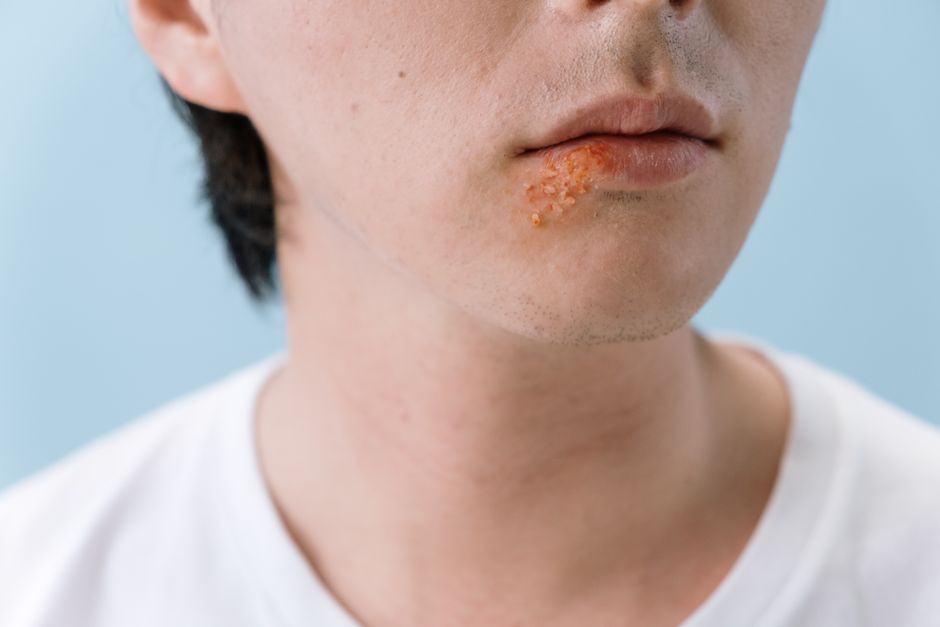
Canker sores are small, shallow ulcers that form inside the lips, on the inside of the cheeks, or under the tongue. They are not cold sores, which are caused by the herpes virus and appear on the outside of the mouth. Canker sores are painful, but they are not contagious. Most heal on their own within one to two weeks. To make a canker sore heal faster, the most proven approach is to use over-the-counter topical treatments that coat the sore, reduce pain, and protect it from irritation. You can also speed healing by avoiding spicy and acidic foods, practicing gentle oral hygiene, and using salt water rinses. For severe or persistent sores, a doctor can prescribe stronger treatments that shorten healing time significantly.
What Causes a Canker Sore to Appear?
The exact cause of canker sores is not fully understood. Most experts believe they result from a combination of factors, and the trigger often varies from person to person.
Common triggers include minor injury to the mouth, such as accidentally biting your cheek or brushing too hard. Stress is another well-recognized trigger. Some research suggests that certain foods, like chocolate, coffee, strawberries, eggs, nuts, and acidic foods like tomatoes, can provoke outbreaks in susceptible people. A deficiency in certain nutrients, including vitamin B12, iron, or folate, has also been linked to recurrent canker sores in some studies.
Hormonal changes, particularly in women during their menstrual cycle, are another possible factor. Some people develop canker sores as a reaction to a food allergy or sensitivity. In a smaller number of cases, recurrent canker sores can be a sign of an underlying condition, such as celiac disease, inflammatory bowel disease, or a problem with the immune system. If you get sores very frequently or they do not heal after two weeks, it is worth discussing with a doctor.
How Long Does a Canker Sore Normally Last?
Most canker sores follow a predictable timeline. The sore typically lasts about 7 to 14 days. The pain is usually most intense during the first three to four days. After that, the sore begins to shrink and the pain eases.
There are two main types of canker sores. The most common type is a minor canker sore. These are small, usually less than one centimeter across, and heal without scarring. The less common type is a major canker sore. These are larger, deeper, and can take several weeks or longer to heal. Major canker sores can leave a scar.
If a canker sore does not improve within two weeks, or if it gets worse after a few days, you should see a healthcare provider. This is especially important if the sore is unusually large, you have multiple sores at once, or you develop a fever. These symptoms can indicate a different condition that needs medical attention.
What Is the Fastest Proven Way to Heal a Canker Sore?
The fastest proven way to heal a canker sore depends on the severity of the sore. For most minor sores, over-the-counter topical products are the first line of defense. These are applied directly to the sore and work in two ways: they create a protective barrier over the ulcer and they deliver a medication to reduce pain and inflammation.
The most common active ingredients in these products are benzocaine, which numbs the area, and hydrogen peroxide, which cleans the sore. Some products contain anti-inflammatory agents like dexamethasone or triamcinolone, which are mild corticosteroids that reduce swelling and pain. These prescription-strength versions are generally more effective at speeding up healing than simple numbing agents.
For a stubborn or painful sore, a doctor may prescribe a stronger treatment. This can include a topical corticosteroid gel, an antimicrobial mouthwash, or in severe cases, an oral medication. Oral medications are usually reserved for people who get frequent, painful canker sores that do not respond to topical treatment. These prescription options are the most effective at reducing healing time, but they require a medical evaluation first.





How To Make A Canker Sore Heal Faster Proven Remedies
There are several home remedies that are widely used and supported by clinical experience. While not all have large clinical trials behind them, they are low-risk and can help with pain and healing speed.
Salt water rinse. Mix half a teaspoon of salt in a glass of warm water. Swish it around your mouth for 30 seconds and spit it out. This helps keep the sore clean and may reduce inflammation. Do this two to three times a day. It stings a little but is effective.
Baking soda rinse. Mix one teaspoon of baking soda in a small glass of water. Use it the same way as the salt water rinse. This can help neutralize acids in the mouth and reduce irritation.
Milk of magnesia. Apply a small amount directly to the sore with a cotton swab. It coats the ulcer and can relieve pain. Some people find this works well, though it is not as thoroughly studied as other treatments.
Ice. Sucking on ice chips can numb the area and reduce pain. It does not speed up healing, but it makes the first few days more tolerable.
Honey. Some research suggests that honey has antibacterial and anti-inflammatory properties. Applying a small amount of raw honey to the sore a few times a day may help. The evidence is promising but not definitive, so consider it a complementary option rather than a proven cure.
None of these remedies will make a canker sore disappear overnight. They can, however, reduce pain and help the sore heal a day or two sooner than it would on its own.
What Foods and Drinks Should You Avoid?
While a canker sore is active, certain foods can make the pain worse and slow down the healing process. Avoiding these for a few days can make a real difference.
Stay away from foods that are spicy, salty, or acidic. This includes hot peppers, salsa, vinegar-based dressings, citrus fruits like oranges and lemons, and tomatoes. Crunchy foods like chips, pretzels, and toast can physically scrape the sore and irritate it further.
Very hot beverages, like coffee or tea, can also cause pain. Carbonated drinks and alcohol can irritate the sore as well. It is best to stick to cool, soft foods and plain water until the sore starts to heal. Yogurt, smoothies, mashed potatoes, and soft cooked vegetables are gentle on a sore mouth.
There is no need to change your diet permanently. Once the sore heals, you can return to your normal eating habits unless you notice a specific food consistently triggers new sores.
Is It a Canker Sore or Something Else?
It is important to know the difference between a canker sore and a cold sore. Canker sores are inside the mouth. Cold sores, also called fever blisters, usually appear on the outside of the lips or around the mouth. Cold sores are caused by the herpes simplex virus and are contagious. Canker sores are not contagious.
Sometimes a mouth ulcer that looks like a canker sore can be something else. A persistent sore that does not heal within three weeks should be examined by a professional. Oral cancer can sometimes start as an ulcer that does not heal. This is rare, but it is a reason not to ignore a sore that lingers.
Other conditions that can mimic canker sores include oral lichen planus, which is an inflammatory condition, and certain viral infections like hand, foot, and mouth disease. If you are unsure what you are looking at, or if the sore is unusually large or painful, get it checked.
When Should You See a Doctor or Dentist?
Most canker sores do not need medical treatment. But there are situations where you should seek professional care.
See a doctor or dentist if you have a canker sore that lasts longer than two weeks. Also seek care if the sore is unusually large, if you get several sores at once, or if the pain is severe enough that you cannot eat or drink normally. A fever along with a mouth sore is another reason to be seen.
If you get canker sores frequently, three or more times a year, talk to a doctor. They can check for underlying causes like a vitamin deficiency or an inflammatory condition. In some cases, a prescription mouthwash or medication can significantly reduce how often you get sores and how long they last.
Frequently Asked Questions
Can toothpaste make a canker sore worse?
Yes, some toothpastes contain sodium lauryl sulfate, which can irritate mouth tissue and trigger canker sores in some people. Switching to a toothpaste without this ingredient may help prevent future sores.
Is salt water or baking soda better for a canker sore?
Both work well to keep the sore clean and reduce inflammation. Salt water is more commonly used, but baking soda can also neutralize acid and is a good alternative if salt stings too much.
Can stress cause canker sores?
Yes, stress is a well-recognized trigger for canker sores in many people. Managing stress through relaxation techniques or regular exercise may reduce how often you get them.
Are canker sores contagious?
No, canker sores are not contagious. They are not caused by a virus or bacteria that can spread to other people.
