
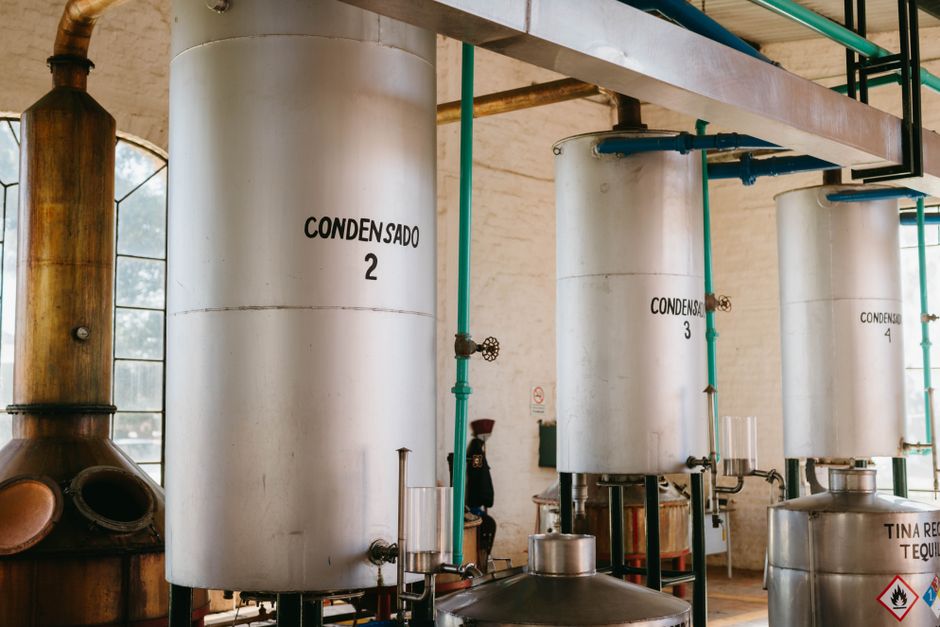
Making 95% ethanol from a lower-strength alcohol solution is a practical skill for hobbyists, homebrewers, and anyone interested in distillation. The process uses a simple still to separate alcohol from water by taking advantage of their different boiling points. Ethanol boils at 78.37°C (173°F), while water boils at 100°C (212°F). By heating the mixture carefully and collecting only the vapor that rises first, you can concentrate the alcohol significantly. Here is the step-by-step process to produce 95% ethanol at home, along with the safety measures you must follow.
What Equipment Do You Need for Ethanol Distillation?
Before you begin, you need the right equipment. A copper or stainless steel pot still is the standard choice for this job. The still consists of a boiling flask or pot, a condenser column, and a collection vessel.
You also need a reliable thermometer to monitor vapor temperature. A digital thermometer with a probe that sits in the vapor path is best. You will need a heat source — an electric hot plate works well for small batches, while a propane burner suits larger stills. Finally, you need glass jars for collecting the distillate and a hydrometer to measure the alcohol percentage of your final product.
Do not use plastic tubing or containers for the hot alcohol vapor. The vapor can dissolve plastic compounds, and those chemicals end up in your distillate. Use only glass, copper, or stainless steel for anything that touches the vapor or hot liquid.
How To Make 95 Ethanol Distillation Step By Step?
Start with a fermented mash or a low-alcohol wash. Beer, wine, or a sugar wash all work as starting material. The alcohol content of your starting liquid should be between 10% and 20% ABV. Higher starting alcohol means fewer distillation runs needed to reach 95%.
Pour the wash into the boiling flask, filling it no more than two-thirds full. This leaves headspace for the liquid to expand and prevents boiling over. Attach the condenser column and ensure all connections are tight and sealed.
Heat the still slowly. The temperature will rise until it reaches about 78°C (172°F). At this point, alcohol vapor begins to form. The vapor rises into the condenser, where it cools and turns back into liquid. Collect this liquid in a glass jar.
The first 50-100 mL that comes off the still is called the foreshot. This contains methanol and other volatile compounds that evaporate before ethanol. Discard this portion entirely. It is not safe to drink or use.
After the foreshot, collect the main run. This is the ethanol-rich liquid you want. Keep the vapor temperature between 78°C and 82°C (172°F and 180°F). If the temperature climbs above 82°C, you are pulling water vapor into your collection. Turn down the heat and stop collecting until the temperature drops back into range.
Continue collecting until the temperature reaches 96°C (205°F). At this point, most of the ethanol has come off, and what remains is mostly water. Stop the run. The liquid left in the boiler is called backset or stillage, and you can discard it.
One distillation run typically produces alcohol at 40-60% ABV, not 95%. To reach 95%, you need to redistill the collected liquid. Run the same process again with your first collection as the new starting material. Each run increases the alcohol concentration. Most people need two to three runs to approach 95%.
Why Is 95% Ethanol the Maximum for Simple Distillation?
Ethanol and water form what chemists call an azeotrope. An azeotrope is a mixture with a fixed boiling point that cannot be separated by simple distillation. For ethanol and water, that mixture is 95.6% ethanol by volume. At this concentration, the vapor has the same composition as the liquid, so further distillation does not increase the alcohol content.
This is not a limitation of your equipment. It is a fundamental property of the chemistry. Even the best pot still cannot produce ethanol above 95.6% without additional techniques.
To get pure 100% ethanol, you need a different approach. Molecular sieves absorb the remaining water, or you can use azeotropic distillation with benzene or cyclohexane as an entrainer. These methods are more complex and not practical for home use.
For most practical purposes, 95% ethanol is sufficient. It is the standard concentration for laboratory ethanol and works well for tinctures, cleaning solutions, and fuel applications.


How Do You Measure the Alcohol Content of Your Distillate?
Use an alcohol hydrometer to measure the strength of your distillate. This instrument floats in the liquid, and the reading on its stem tells you the alcohol percentage.
Hydrometers are calibrated to a specific temperature, usually 20°C (68°F). If your distillate is warmer or colder, you need to apply a temperature correction. Most hydrometers come with a chart that tells you how to adjust the reading.
To take a measurement, fill a tall glass cylinder with your distillate. Drop in the hydrometer and let it settle. Read the number at the surface of the liquid. This gives you the ABV of your product.
Keep in mind that hydrometers measure alcohol by volume, not by weight. The two numbers are different. 95% ABV means 95 mL of ethanol per 100 mL of solution, which is about 92.4% by weight.
What Safety Precautions Are Essential for Home Distillation?
Ethanol vapor is highly flammable. The vapor can ignite if it comes into contact with an open flame or a hot surface. Keep your still away from any ignition source, and never distill indoors without proper ventilation.
Check all seals and connections before you start. A leak in the system can release flammable vapor into the air and create a fire hazard. Run a test with water first to verify your still is tight.
Do not leave a running still unattended. If the temperature spikes or a connection fails, you need to be present to shut it down. Keep a fire extinguisher rated for flammable liquid fires nearby.
Discard the foreshot every time you run the still. Methanol is toxic and can cause blindness or death if consumed. The foreshot smells different from ethanol — it has a harsh, solvent-like odor. When you smell that, you know you are at the start of the run.
Never drink high-proof ethanol straight from the still. Ethanol above 60% ABV can burn your throat and esophagus. Dilute it with water or another liquid before consuming.
Finally, check your local laws. Home distillation of alcohol is illegal in many places without a federal or state permit. In the United States, distilling spirits at home without a permit is a federal offense. Making ethanol for fuel or laboratory use may have different regulations. Know the rules in your area before you start.
What Are Common Mistakes to Avoid When Distilling Ethanol?
The most common mistake is running the still too fast. Rapid heating causes the vapor temperature to spike, which pulls water into your collection. Slow and steady heat gives you better separation and a higher alcohol yield.
Another frequent error is collecting too late into the run. When the temperature rises above 82°C (180°F), you are collecting water. Some distillers keep going to squeeze out a little more alcohol, but this dilutes the entire collection. Stop early and redistill if you want high-proof alcohol.
Some beginners skip the foreshot because it is small and seems wasteful. This is a serious safety error. The foreshot contains the most volatile and toxic compounds in the wash. Always discard it.
Using a starting liquid with too low an alcohol content also creates problems. If your wash is below 5% ABV, you will need many runs to reach 95%, and each run loses some alcohol to the foreshot and tails. Start with a wash at 15-20% ABV for the best results.
What Can You Use 95% Ethanol For?
95% ethanol has many practical uses. It works as a solvent for making botanical tinctures and extracts. It is also an effective cleaning agent for electronics and surfaces because it evaporates quickly without leaving residue.
Some people use it as a fuel additive or for making hand sanitizer. For hand sanitizer, the World Health Organization recommends mixing ethanol with water and glycerin at specific ratios. Do not use undiluted 95% ethanol on your skin — it dries out the skin and can cause irritation.
For tinctures, 95% ethanol extracts a broader range of plant compounds than lower-strength alcohol. The higher concentration pulls out both water-soluble and alcohol-soluble constituents. This is why many herbalists prefer high-proof alcohol for their extracts.
If you plan to consume the ethanol, dilute it to a comfortable drinking strength. Most spirits are bottled between 40% and 50% ABV. The flavor of homemade ethanol is neutral, so it works well as a base for infusions and liqueurs.
Frequently Asked Questions
Can you make 95% ethanol in one distillation run?
No, a single run typically produces 40-60% ABV from a 10-20% wash. You need two to three distillation runs to approach 95%.
Why can’t simple distillation produce 100% ethanol?
Ethanol and water form an azeotrope at 95.6% ethanol, meaning the vapor and liquid have the same composition at that point. Simple distillation cannot separate this mixture further.
Is it legal to distill ethanol at home?
In the United States, distilling spirits at home without a federal permit is illegal. Check your local and federal regulations before attempting any distillation.
How do you know when to stop collecting during a distillation run?
Stop collecting when the vapor temperature rises above 82°C (180°F). Higher temperatures mean water is coming over with the alcohol.
