
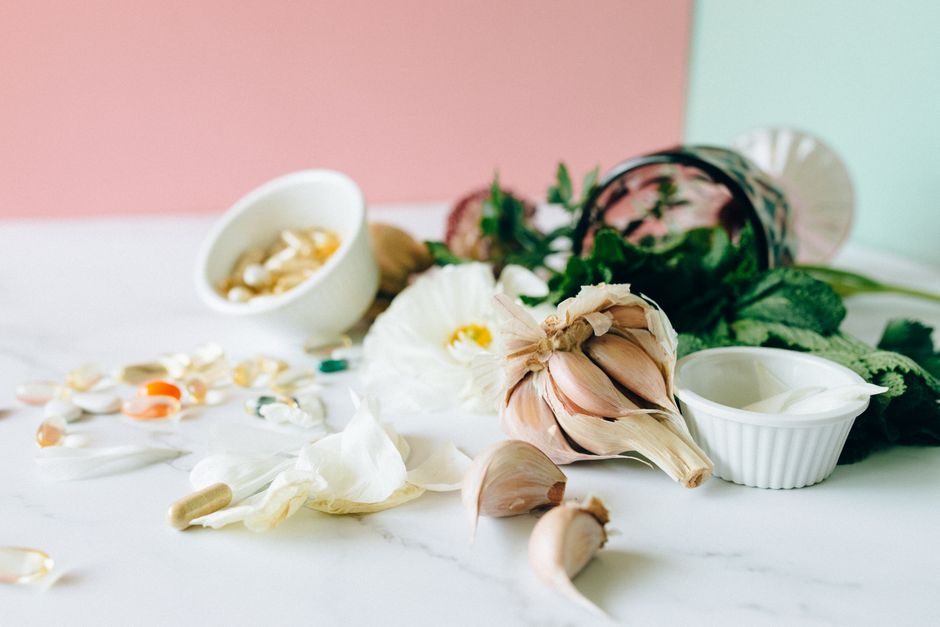
Garlic does not kill the yeast in bread dough in any practical way, whether you add it raw or roasted. Garlic contains antimicrobial compounds, and those compounds can inhibit some microbes in a lab dish. But bread dough is a different environment, and the amount of garlic in a normal recipe is far too small to stop yeast from doing its job. Raw garlic has slightly more of these active compounds than roasted garlic. Roasting reduces them somewhat. In real baking, neither one reliably stops fermentation.
The more interesting question is why the idea persists at all. Garlic really does have measurable antimicrobial activity. The confusion comes from treating a petri dish result as if it applies to a loaf of bread. It does not, for reasons that are well understood once you look at the chemistry and the biology involved.
Does Garlic Kill Yeast in Bread Dough?
No. Yeast is a fungus, and garlic does have some antifungal activity, so the question is reasonable. The problem is dose and environment.
Garlic’s main antimicrobial compound is allicin. It forms when a garlic clove is crushed or chopped, which lets an enzyme called alliinase convert a precursor molecule into allicin. Allicin can damage the cell membranes of bacteria and fungi in laboratory tests.
But allicin is unstable. It breaks down within minutes to hours at room temperature, and it degrades faster when heated. More importantly, the concentrations used in lab studies are far higher than what ends up in a bread recipe. A few cloves of garlic in a 500-gram flour dough is a tiny fraction of the total mass. The active compounds are diluted, partly degraded, and largely bound up in the dough matrix.
Bread yeast, usually Saccharomyces cerevisiae, is also a tough organism. It tolerates a wide range of conditions and multiplies quickly. A small amount of a weak antifungal compound is not going to stop it.
Raw vs Roasted Garlic: Does the Difference Matter for Yeast?
Raw garlic carries more allicin potential than roasted garlic. Roasting uses heat, and heat destroys the enzyme alliinase. Without that enzyme, the precursor molecule cannot convert into allicin.
That means roasted garlic has less antimicrobial punch in a lab setting. But it also means roasted garlic tastes sweeter and milder, which is why cooks use it. The flavor change and the antimicrobial change come from the same source: heat altering the sulfur compounds.
Here is the part that matters for bread. Even raw garlic, at full strength, does not stop yeast in a normal dough. So the raw-versus-roasted difference, while real in a chemistry sense, does not change the outcome in baking. Neither form kills the yeast.
There is one nuance worth knowing. If you add raw garlic directly to a sourdough starter or a preferment and let it sit for a long time, you might see slower activity. But that is more likely due to pH shifts, sulfur compounds affecting flavor, or simply the physical presence of garlic pieces than to any real antifungal effect. It is not a reliable way to control fermentation, and it is not how bakers work.
Why the “Garlic Kills Yeast” Idea Spreads
The idea comes from a real finding that gets stretched too far. Garlic extracts do show antimicrobial activity in controlled lab tests. Those tests often use concentrated extracts, purified allicin, or garlic powder at levels far above culinary use.
There is a gap between “shows activity in a dish” and “works in food.” That gap is called the matrix effect. Food is not a clean lab environment. Proteins, fats, sugars, and other compounds bind to and neutralize antimicrobial agents. Heat, acid, and time break them down further.
The same logic applies to many “natural antimicrobial” claims. Honey, oregano oil, and cinnamon all show antimicrobial activity in lab tests. None of them reliably sterilize food in real-world use at normal amounts. Garlic is no exception.




Does Garlic Affect Bread Flavor or Rise?
Garlic affects flavor strongly. It affects rise very little, if at all, at normal amounts.
Yeast produces carbon dioxide as it ferments sugars in the dough. That gas gets trapped by the gluten network and makes the bread rise. Garlic does not interfere with this process in any meaningful way at typical recipe amounts.
What garlic does do is add flavor compounds that survive baking. Roasted garlic adds a mellow, sweet note. Raw garlic adds a sharper, more pungent bite. Both work in breads like focaccia, garlic knots, and savory loaves.
One practical point: raw garlic added directly to dough can taste harsh and slightly bitter after baking. Many bakers sauté or roast garlic first for a rounder flavor. This is a taste decision, not a fermentation one.
What Actually Stops Yeast From Working?
If you want to slow or stop yeast, garlic is not the tool. Several factors reliably do the job.
- Heat: Yeast dies at temperatures above roughly 140°F (60°C). This is why baking works.
- Salt: Salt slows fermentation and also tightens gluten. Too much salt can stop yeast activity entirely.
- Cold: Refrigeration slows yeast dramatically. This is how overnight doughs work.
- Sugar concentration: Very high sugar levels draw water out of yeast cells and can inhibit them.
- Acidity: A very acidic environment can slow or stop yeast, though sourdough cultures are adapted to it.
These are the levers bakers actually use. Garlic is not one of them.
Is Garlic Safe to Add to Bread Dough?
Yes, in normal culinary amounts. Garlic has a long history of use in bread and is generally recognized as safe when eaten as food.
There is one real food safety concern worth mentioning. Garlic in oil, stored at room temperature, can support the growth of Clostridium botulinum, the bacterium that causes botulism. This is a documented risk. It applies to garlic-in-oil mixtures, not to garlic baked into bread.
When garlic is mixed into dough and then baked, the heat of baking kills any vegetative bacteria. The low water activity and acidic environment of most breads also make bacterial growth unlikely. Baked garlic bread is not a botulism risk.
The risk is specifically with raw garlic stored in oil at room temperature for extended periods. If you make garlic oil at home, refrigerate it and use it within a few days. Commercial garlic-in-oil products are acidified to prevent this problem.
Does Garlic Have Real Health Benefits?
Garlic has been studied for effects on blood pressure, cholesterol, and other health markers. The evidence is mixed.
Some studies suggest modest reductions in blood pressure with garlic supplementation. Other studies show little or no effect. Results vary by preparation, dose, and population. The evidence does not support garlic as a treatment for any disease.
Garlic is a healthy food in the sense that it adds flavor without adding much of anything harmful. It contains sulfur compounds and small amounts of nutrients. But claims that it “boosts immunity” or “fights infection” in the body are not well supported by human trials.
This matters for the bread question because it is the same pattern. Garlic has real chemistry. That chemistry does real things in a lab. Whether it does those things in a human body or a loaf of bread is a separate question, and the answer is usually no at normal amounts.
Practical Takeaways for Bakers
If you want garlic bread, add garlic. It will not hurt your dough, and it will taste good.
If you are worried about garlic stopping your yeast, you can stop worrying. A normal amount of garlic, raw or roasted, will not prevent your bread from rising. Your fermentation will behave the way it always does.
If you want a stronger garlic flavor, roast or sauté the garlic first. This mellows the harsh compounds and deepens the flavor. It also reduces the antimicrobial compounds, which does not matter for baking but is worth knowing.
If you are making garlic oil for dipping or storage, refrigerate it and use it soon. That is the one garlic safety rule that genuinely matters.
Frequently Asked Questions
Does raw garlic kill yeast in bread dough?
No. Raw garlic contains antimicrobial compounds, but the amounts in a normal recipe are far too small to stop bread yeast. Your dough will rise normally.
Does roasted garlic kill yeast in bread?
No. Roasting destroys the enzyme that produces garlic’s main antimicrobial compound, so roasted garlic has even less activity than raw. It will not stop yeast either.
Why does garlic show antimicrobial activity in studies but not in bread?
Lab studies use concentrated extracts at levels far above culinary use. In real dough, the active compounds are diluted, partly degraded, and bound by other ingredients, so they cannot reach effective concentrations.
Is it safe to put raw garlic in bread dough?
Yes, in normal cooking amounts. The botulism risk linked to garlic applies to garlic stored in oil at room temperature, not to garlic baked into bread.
